Common Pilea 'Moon Valley' Problems
Pilea mollis 'Moon Valley'
By the Greg Editorial Team
Jun 18, 2024•4 min read
This article was created with the help of AI so we can cover more plants for you. May contain errors. See one? Report it here.
Safeguard your Pilea 'Moon Valley' 🌿 from droops to bugs with these essential care tips!
- Yellow leaves and mushy stems? Over-watering might be the culprit.
- 🌞🌱 Bright, indirect light and stable temps keep Pilea 'Moon Valley' happy.
- 🕵️♂️ Watch for pests and root rot, and act fast with appropriate treatments.
When Water Gets Tricky
💧 Over-watering Woes
Yellowing leaves and mushy stems are your Pilea's cry for help. Over-watering turns vibrant greens into a sad, soggy mess. To rescue your waterlogged Moon Valley, first halt all watering. Remove the plant from its pot and inspect the roots; trim any that are brown and soft. Let the root ball dry on some newspapers for a day before repotting in fresh, well-draining soil. Resume watering with caution, only when the top inch of soil feels dry.
💦 The Thirsty Pilea Predicament
Crispy leaves are the tell-tale sign of a Pilea pleading for water. Under-watering leaves your plant as dehydrated as a raisin in the sun. To properly hydrate your plant, soak the soil until water runs freely from the drainage holes. Allow the excess to drain completely before returning the pot to its saucer. Going forward, check the soil moisture regularly—if the top inch is dry, it's time for a drink. Remember, consistent watering beats a flood-and-drought cycle.

Light and Temperature: The Balancing Act
🌞 Too Much Sun, Too Little Light
Leggy stems and pale leaves are cries for help from your Pilea 'Moon Valley'. It's a plea for the right amount of light. Bright, indirect sunlight is the golden ticket, keeping those leaves vibrant without the risk of sunburn. East-facing windows are prime real estate for your Pilea, offering the perfect blend of light without the harshness of direct rays.
Rotate your plant regularly to prevent a lopsided growth habit. It's like ensuring every leaf gets a turn at the window seat. If you notice brown spots or a bleached look, your plant's telling you it's had too much sun. Time to dial it back and find a shadier spot.
🌡️ Temperature Tantrums
Dropping leaves and slow growth are your Pilea's way of saying the temperature isn't right. Consistency is key. Aim for a steady 18-24ºC (64-75ºF) range to keep your plant from throwing a fit. Avoid drafts and direct heat sources that could cause sudden temperature changes.
Warmth is good, but too much will lead to a wilted, unhappy Pilea. Think of it as finding the plant equivalent of a cozy sweater weather—comfortable, not sweltering. Keep an eye on the thermostat and remember, your Pilea can't layer up when it's chilly or strip down when it's hot. It's on you to keep the vibes just right.

Uninvited Guests and Unseen Dangers
🐜 Pests: The Tiny Terrors
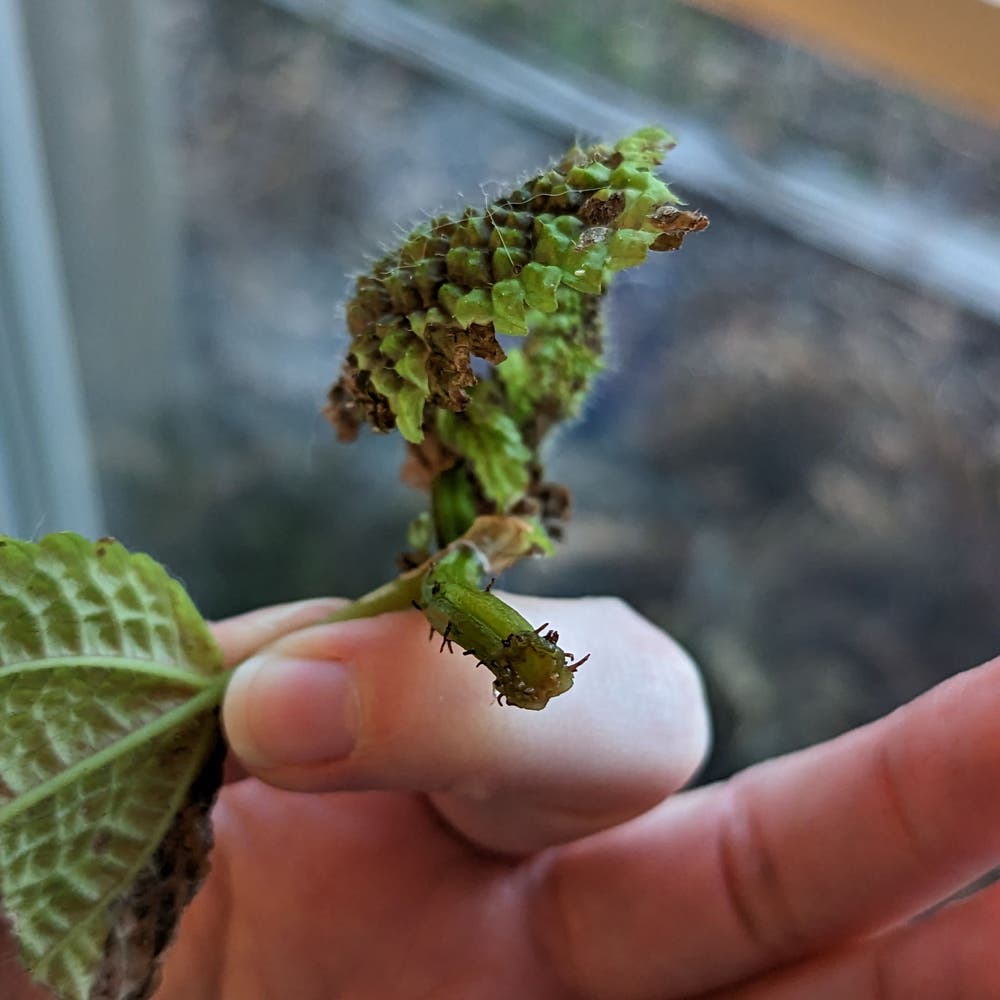
Spider mites and mealybugs are the main culprits when it comes to Pilea 'Moon Valley'. These pests are like tiny squatters, setting up camp without an invitation. Look for webbing, sticky spots, or the pests themselves.
To evict these freeloaders, start with isolation to prevent a full-blown infestation. Insecticidal soap or neem oil are your best allies, acting as natural bouncers. Apply these treatments with precision and consistency. For an eco-friendly approach, consider introducing beneficial insects like ladybugs or predator mites.
🍄 Fungus Among Us
Fungal issues often start as a moldy surprise on your plant's soil or leaves. White or black spots can be a telltale sign of a fungal gathering. To prevent these silent parties, ensure your Pilea's leaves stay dry and that there's good air circulation.
If you spot a fungal fiesta, it's time to bring out the fungicide. Think of it as the last call before the party gets out of hand. However, use it as a last resort; prevention is always the better path. Keep your plant's environment clean and well-ventilated to avoid giving mold and mildew a place to thrive.

Root Rot: The Silent Killer
🚨 Early Detection of Root Rot
Smelly soil and limp leaves are your first red flags. If your Pilea 'Moon Valley' has hit the brakes on growth or the leaves have the consistency of overripe fruit, it's time to play detective. Healthy roots should be as firm as a handshake, not dark and slimy like something you'd find in a horror movie.
💉 Surgery and Recovery
When root rot is the diagnosis, it's time to channel your inner surgeon. Sterilized scissors in hand, gently remove your plant from its pot. Brush off the excess soil and give the roots a rinse. Healthy roots will be white with a touch of yellow, while rotten ones will be as mushy as overcooked noodles. Snip the affected roots ruthlessly. After the operation, repot your Pilea in fresh, well-draining soil and choose a pot that won't hold excess water hostage. Remember, overwatering is the equivalent of drowning your plant in love—moderation is key.
⚠️ Safety First
This content is for general information and may contain errors, omissions, or outdated details. It is not medical, veterinary advice, or an endorsement of therapeutic claims.
Always consult a qualified healthcare professional before using any plant as food, medicine, or supplement.
Never eat any plant (or feed one to pets) without confirming its identity with at least two trusted sources.
If you suspect poisoning, call Poison Control (800) 222-1222, the Pet Poison Helpline (800) 213-6680, or your local emergency service immediately.
Spotted an error? Please report it here.
Ensure your Pilea 'Moon Valley' stays lush and healthy 🌿 with Greg's environmental monitoring and custom care alerts, preventing over-watering and pest woes.