❤️ What Do Pilea 'Moon Valley' Flowers Mean?
Pilea mollis 'Moon Valley'
By the Greg Editorial Team
Jun 18, 2024•4 min read
This article was created with the help of AI so we can cover more plants for you. May contain errors. See one? Report it here.
Unveil the secret language of Pilea 'Moon Valley' flowers and their link to plant wellness! 🌿✨
- Blooms signal health: Pilea 'Moon Valley' flowers indicate plant vigor.
- 🌞 Bright, indirect light is key for triggering Pilea blooms.
- Balanced fertilizing and watering support blooming and post-bloom care.
Decoding the Blooms: What Pilea 'Moon Valley' Flowers Tell You
🌸 Spotting the Signs of an Impending Bloom
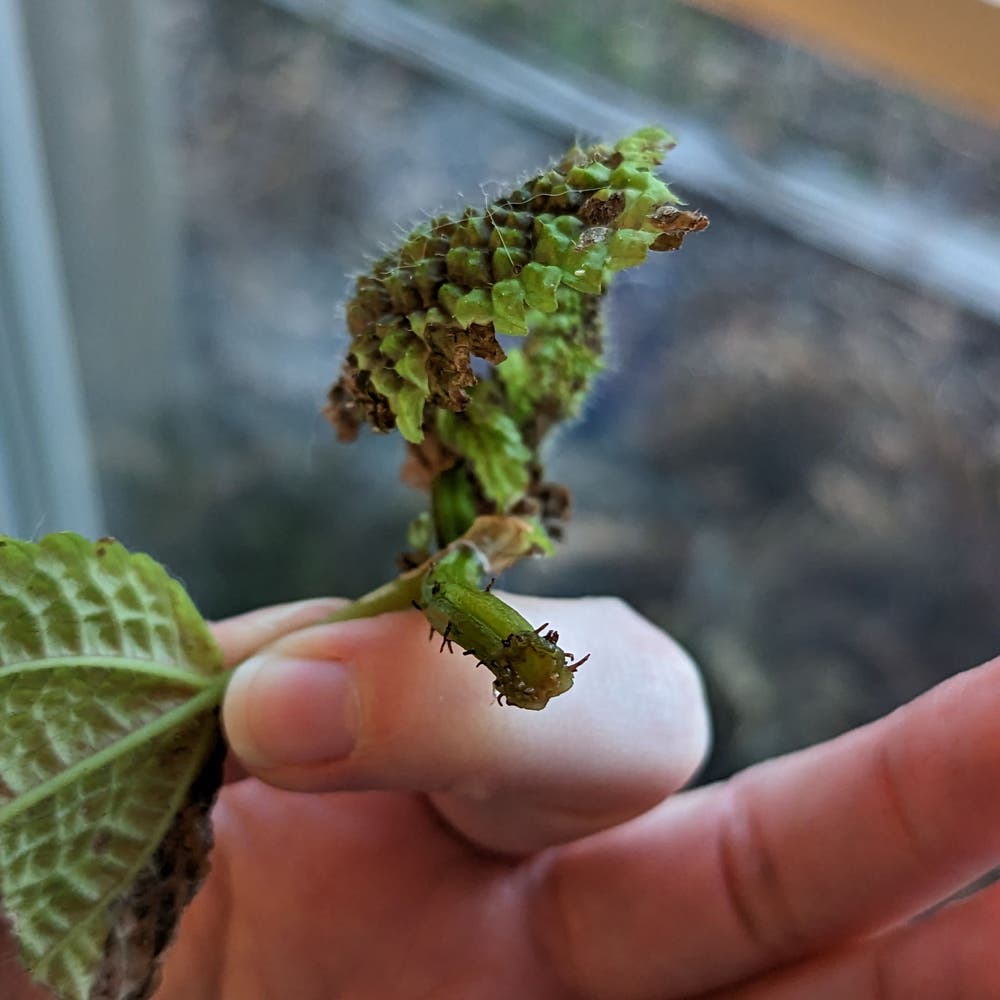
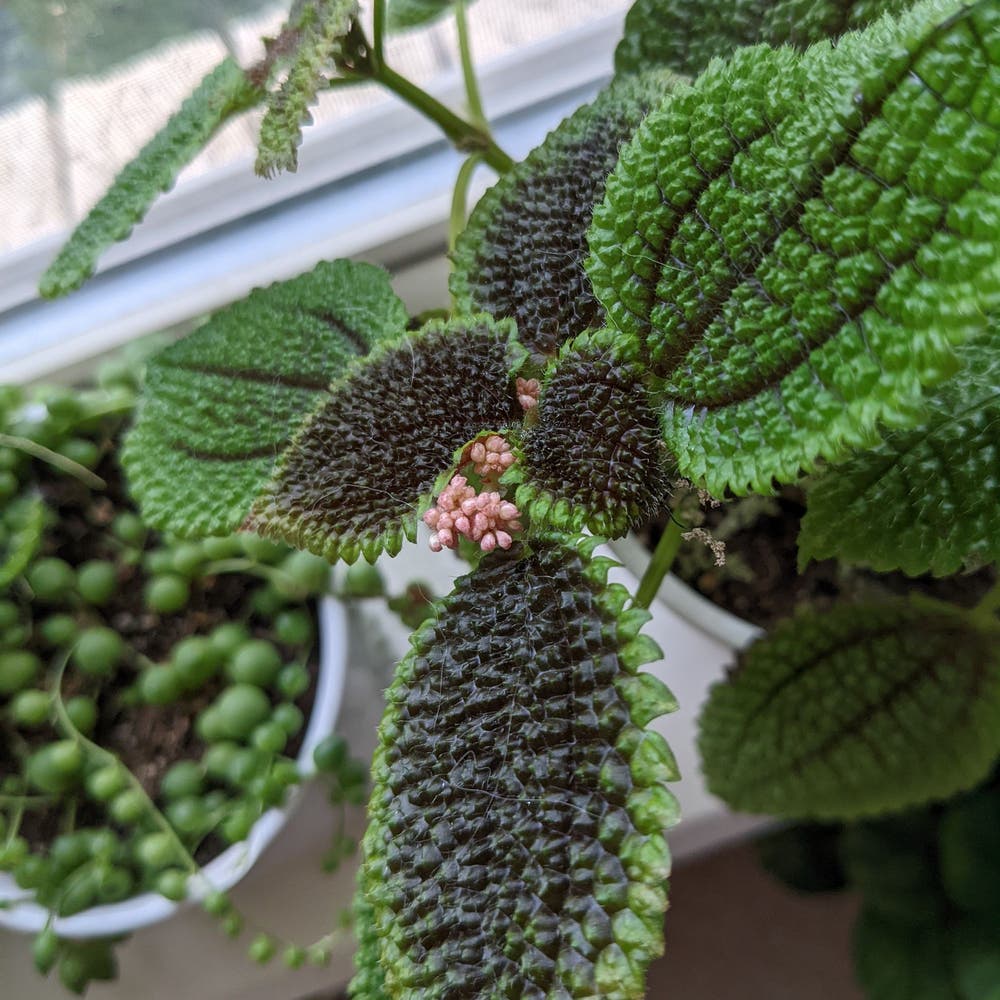
When Pilea 'Moon Valley' preps for its rare floral show, it's not about grand gestures. You'll spot subtle cream or pink blossoms forming in clusters, a departure from its usual leafy bravado. These tiny clusters, often midway down the stem, whisper the onset of a bloom.
Plant vigor is on display when these flowers emerge. It's a green thumbs-up, signaling that your Pilea is basking in good health and care.
🌺 The Language of Flowers: Interpreting Pilea Blooms
Flowers on a 'Moon Valley' are like cryptic messages in a bottle, unveiling the plant's lifecycle. They're not just pretty faces; they speak to the plant's maturity and the success of your nurturing efforts.
In the plant world, blooming can be a final act or a sign of thriving life. For Pilea 'Moon Valley', it's often the latter, a celebration of growth and vitality.

The Secrets to Triggering Pilea 'Moon Valley' Flowers
💡 Light and Love: Setting the Stage for Blooms
Lighting is crucial for Pilea 'Moon Valley' to flower. These plants crave bright, indirect sunlight to initiate their blooming process. Too little light, and the plant won't have the energy to produce flowers; too much, and you risk leaf burn.
Adjust your plant's position to ensure it receives the right amount of light. East or west-facing windows are typically ideal. If natural light is insufficient, consider supplementing with grow lights. Remember, consistency is key—use a timer to simulate natural day and night cycles.
🍽️ Feeding for Flowers: Nutrients that Nudge Blooming
When it comes to fertilization, less is more. Overfeeding can lead to lush leaves at the expense of flowers. Use a balanced, diluted houseplant fertilizer once in spring and once in summer to encourage blooming.
Phosphorus and potassium are the stars of the show for flowering. These nutrients support bloom development. Time your feedings to coincide with the plant's natural flowering cycle, usually as the days lengthen in spring. Always apply fertilizer to moist soil to prevent root burn.

Nurturing the Bloom: Care Tips During Flowering
💧 Keeping the Balance: Water and Humidity While in Bloom
When your Pilea 'Moon Valley' graces you with flowers, watering becomes a high-stakes game. Check the soil before watering; if the top inch feels like a dry martini, it's time to quench your plant's thirst. Overwatering is the fast track to root rot, so let the soil dry out like a good sense of humor—completely—between waterings.
Humidity is another piece of the puzzle. These plants don't just like humidity; they swipe right on it. Aim for a misting routine that's as regular as your coffee habit, but don't drench the flowers. They're delicate, not desperate. If your home's air is drier than a stand-up comedian's wit, consider a humidity tray or a humidifier to keep the air as moist as a tropical morning.
💐 After the Bloom: Ensuring Your Pilea's Continued Health
Post-bloom care is like a good friendship—supportive but not smothering. Trimming spent flowers is as necessary as unfollowing an ex on social media. It tells your Pilea, "Hey, let's focus on the future." Keep the plant in its comfort zone with consistent light and temperature, because nobody, not even your Pilea, likes being ghosted by stability.
To prep for the next show of flowers, a fertilizer pep talk in spring and summer can go a long way. Use a balanced, diluted feed, like a light seasoning, not a heavy sauce. It's about enhancing, not overwhelming. And remember, after the party's over, let your Pilea 'Moon Valley' rest. Over-care is a helicopter parent, and we all know how that story goes.

⚠️ Safety First
This content is for general information and may contain errors, omissions, or outdated details. It is not medical, veterinary advice, or an endorsement of therapeutic claims.
Always consult a qualified healthcare professional before using any plant as food, medicine, or supplement.
Never eat any plant (or feed one to pets) without confirming its identity with at least two trusted sources.
If you suspect poisoning, call Poison Control (800) 222-1222, the Pet Poison Helpline (800) 213-6680, or your local emergency service immediately.
Spotted an error? Please report it here.
Achieve a vigorous bloom 🌼 in your Pilea 'Moon Valley' by using Greg to dial in the ideal light and watering reminders, ensuring your plant's health and beauty.