Is My Pilea 'Moon Valley' Getting Too Much Direct Sunlight? ☀️
Pilea mollis 'Moon Valley'
By the Greg Editorial Team
Jun 18, 2024•4 min read
This article was created with the help of AI so we can cover more plants for you. May contain errors. See one? Report it here.
Safeguard your Pilea 'Moon Valley' 🌿 from sunburn and ensure lush growth with these essential light tips! ☀️
- Discoloration and scorch marks signal sunburn on Pilea 'Moon Valley'.
- Bright, indirect light is ideal; east or west-facing windows recommended.
- Use sheer curtains or relocate to protect from too much direct sunlight.
Spotting Sunburn on Your Pilea 'Moon Valley'
🌞 Telltale Signs of Too Much Sun
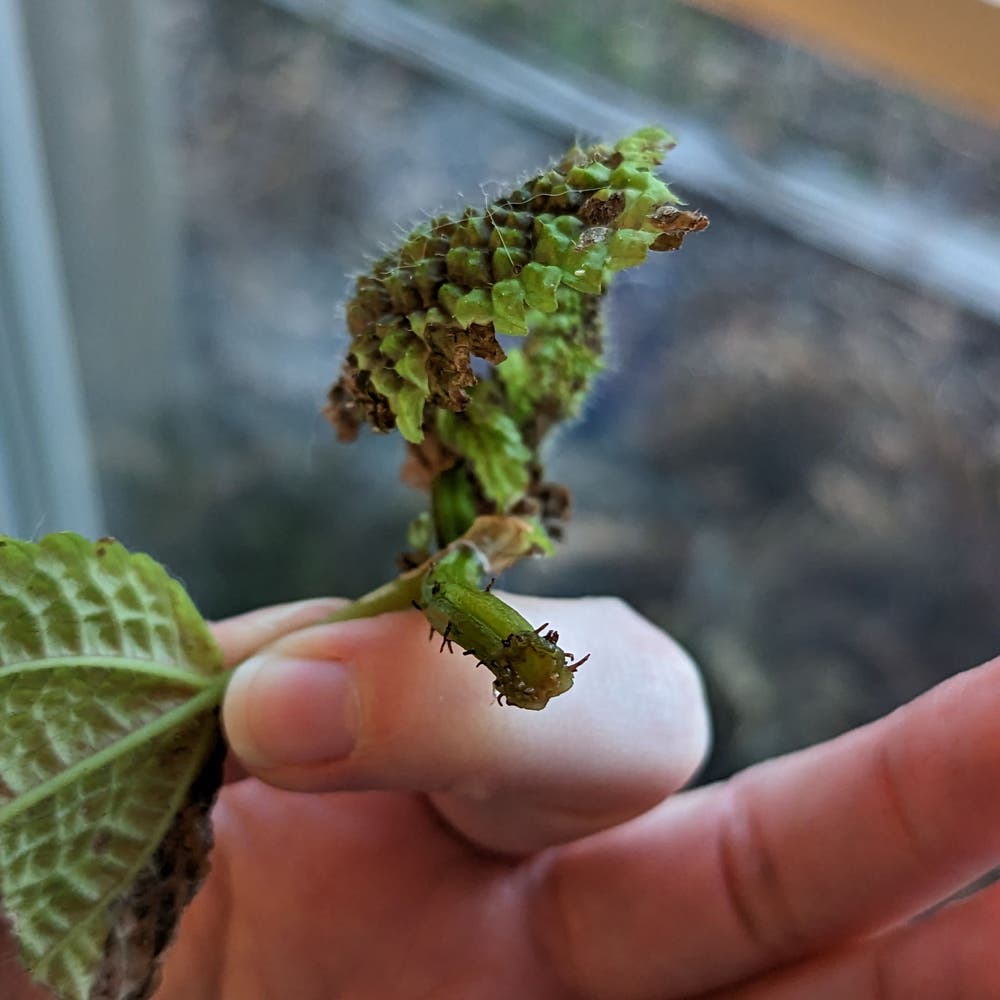
Your Pilea 'Moon Valley' is a drama queen when it comes to sunlight. Discoloration and scorch marks are its way of throwing a fit. If you see brown or bleached spots, especially on the tops of leaves, it's basically the plant's version of a sunburn.
Leaves curling or wilting? That's your Pilea trying to shield itself from the solar smackdown. It's not being extra; it's genuinely stressed out.
🌱 How Direct Sunlight Affects Growth
When your Pilea gets too much direct sun, it's like putting a marshmallow too close to the campfire. Leaf color can fade or change, and not in a good way. You might also notice your plant's size is more 'bonsai' than 'jungle chic'.
Stunted growth or sun stress is the plant's way of saying, "I've had enough!" It's not just being dramatic; too much sun can really cramp its style. Keep an eye out for these signs, and you'll save your Pilea from a crispy fate.

Sunlight Needs for Pilea 'Moon Valley'
🌞 Ideal Sunlight Conditions
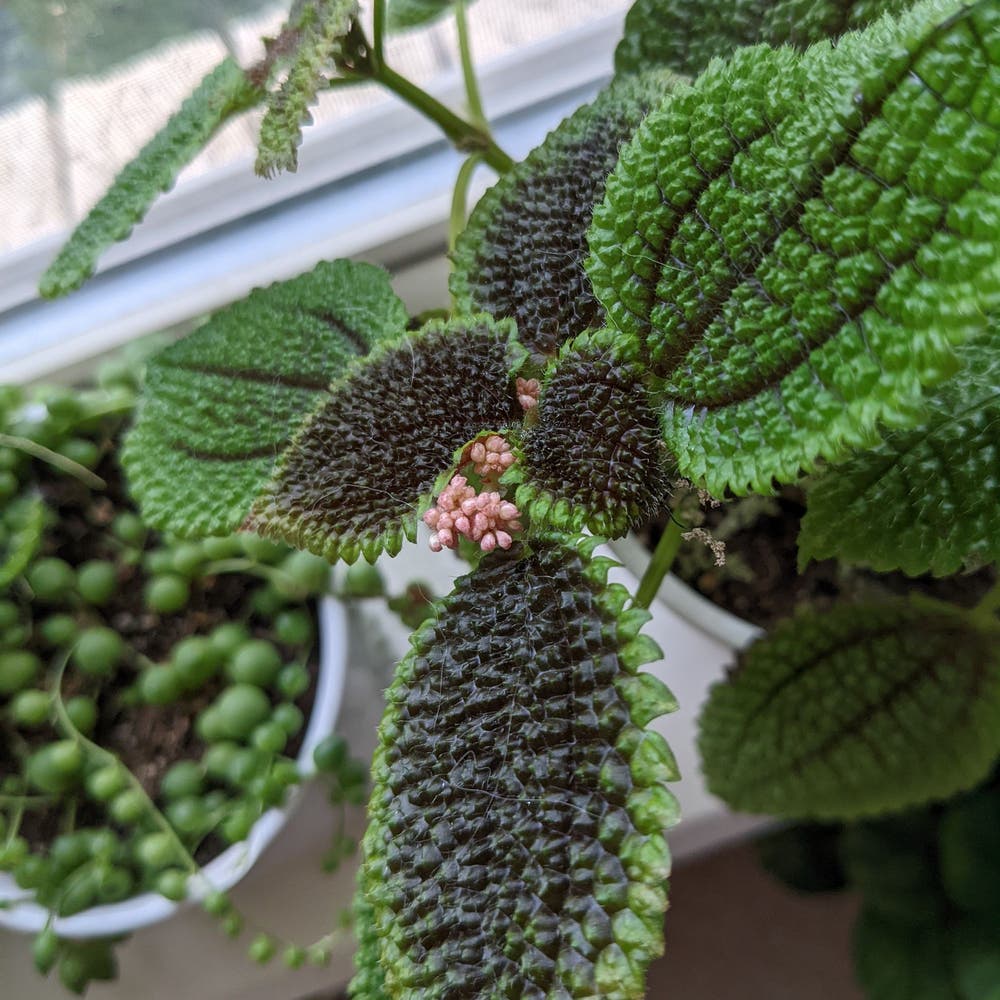
Pilea 'Moon Valley' craves bright, indirect light like a social media influencer hungers for likes. Too much direct sun, and you'll witness a tragic scene of scorched leaves. Balance is the name of the game here. Aim to mimic the dappled sunlight of its native under-canopy habitat.
Position your Pilea near an east or west-facing window, where the rays are gentler, especially if filtered through a sheer curtain. The goal is to bathe your plant in light without the risk of sunburn. Duration of exposure is crucial too; think in terms of a satisfying nap rather than an all-day sunbathing session.
🌍 Adapting to Your Environment
Your Pilea isn't a one-size-fits-all kind of plant. It's sensitive to the intensity of your local sun, which can vary wildly from Oslo to Orlando. If you're in a region with intense sunlight, you might need to pull back, literally. Move your plant further from the window or introduce some shade.
Seasonal changes can throw a wrench in your plant care routine. The sun plays a game of hide-and-seek throughout the year, with angles shifting and daylight hours stretching or shrinking. Stay vigilant and adjust your plant's position with the changing seasons to keep those leaves lush and vibrant.

Window Wisdom: Placing Your Pilea Perfectly
⛅️ Understanding Window Directions
East-facing windows offer a gentle morning light that's perfect for easing your Pilea 'Moon Valley' into the day. West-facing windows, on the other hand, can be an afternoon inferno, potentially overwhelming for your plant. North-facing windows provide a consistent, modest light, making them a chill zone for your Pilea.
Remember, the angle of sunlight isn't static; it shifts with the seasons. As the sun's path changes, so should your plant's position to avoid those unwanted tanning sessions.
🌍 Hemisphere Hints
The hemisphere you're in dictates your plant care playbook. In the northern hemisphere, a south-facing window during summer is like a solar bear hug—too intense for your Pilea. Conversely, the southern hemisphere flips the script, and north-facing windows become the sun's spotlight.
Midday sun can be particularly harsh, so it's crucial to recognize and adjust to the intensity. Your Pilea doesn't need a tan; it needs the right balance of light to thrive.

Protecting Your Pilea from Too Much Sun
🎨 Creative Shading Techniques
Sheer curtains: lightweight champions of the plant world. They let in the good vibes of sunlight without the harshness, like a gentle filter for your Pilea 'Moon Valley'. Not a fan of curtains? No sweat. Blinds work too, or get crafty with frosted window films. For the DIY enthusiasts, a homemade shade cloth can be both a stylish and functional addition to your indoor garden. The key? Diffuse, don't block.
🚚 Relocation as a Rescue Strategy
When your Pilea starts looking like it's had too much fun in the sun, it's time to move. Relocation isn't defeat; it's strategic retreat. Find a spot that's just right—not too dark, not too bright. Remember, the higher you go, the less intense the light. So, that top shelf might just be the sweet spot your Pilea is yearning for. Keep an eye on the seasons too; what works in summer might not fly in winter. Stay flexible and your Pilea will thank you.
⚠️ Safety First
This content is for general information and may contain errors, omissions, or outdated details. It is not medical, veterinary advice, or an endorsement of therapeutic claims.
Always consult a qualified healthcare professional before using any plant as food, medicine, or supplement.
Never eat any plant (or feed one to pets) without confirming its identity with at least two trusted sources.
If you suspect poisoning, call Poison Control (800) 222-1222, the Pet Poison Helpline (800) 213-6680, or your local emergency service immediately.
Spotted an error? Please report it here.
Adjust your Pilea's spot to perfection and prevent sunburn ☀️ with Greg's PlantVision, ensuring just the right amount of light for those lush leaves.