How Should Pilea 'Moon Valley' Be Cut Back?
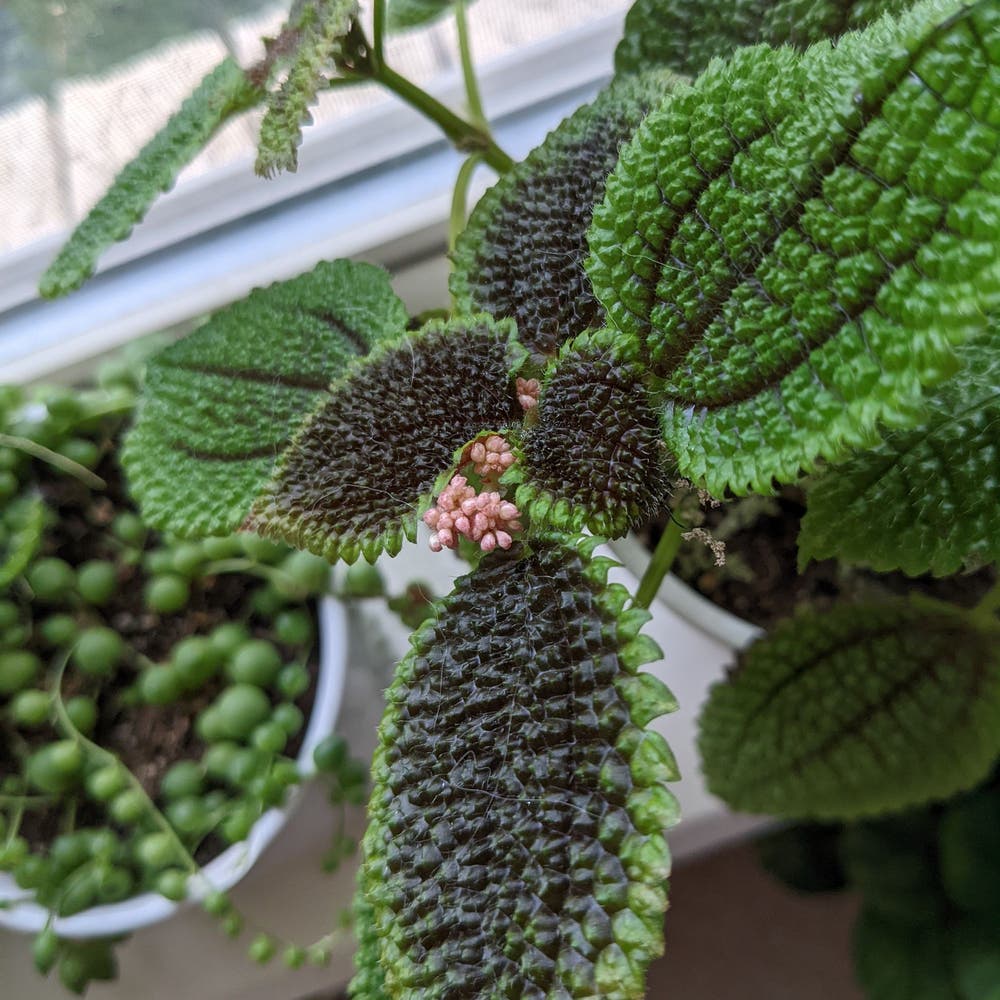
Pilea mollis 'Moon Valley'
By the Greg Editorial Team
Jun 18, 2024•3 min read
This article was created with the help of AI so we can cover more plants for you. May contain errors. See one? Report it here.
Prune your Pilea 'Moon Valley' to perfection 🌿—discover when, why, and how for a thriving, sculpted plant!
- Spring/early summer best for pruning Pilea 'Moon Valley' for growth.
- Use sharp, sterilized shears for healthy cuts and disease prevention.
- Shape and immediate care ensure a fuller plant and robust recovery.
When to Wield the Shears
🌱 Best Season for Snipping
Spring into action with your pruning shears as spring and early summer are the Pilea 'Moon Valley's' prime time for a trim. This is when the plant kicks into high gear, pushing out new growth and is most receptive to a good snip.
🚦 Signs Your Pilea Needs a Trim
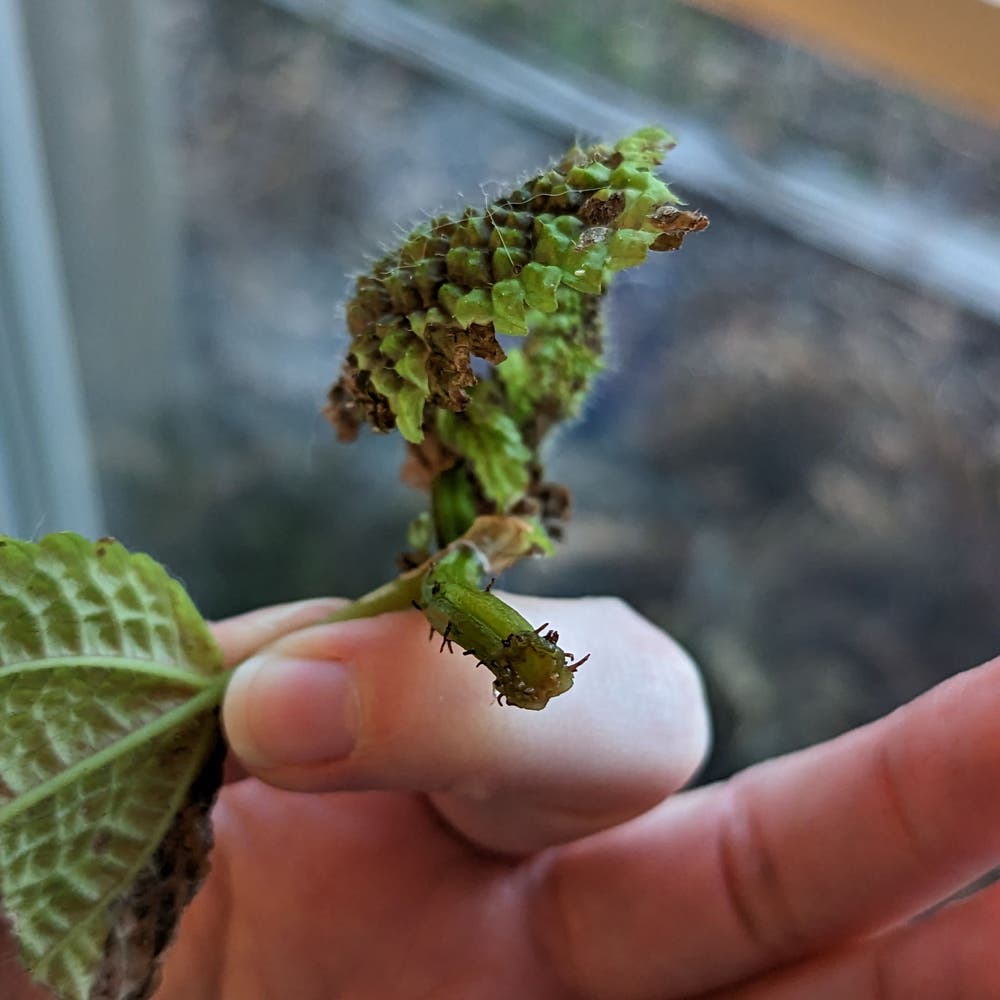
Keep an eye out for leggy stems, overcrowded leaves, or any parts that seem under the weather. These are your Pilea's silent pleas for a haircut. Don't wait for a written invitation; these visual cues are clear indicators that it's time to prune.

Gear Up: Choosing Your Tools
🔪 The Right Tools for the Job
Pruning your Pilea 'Moon Valley' demands precision. A pair of sharp pruning shears or scissors is essential; they're the surgeon's scalpel in your plant care toolkit. For thicker stems, consider lopping shears as your go-to. Quality matters; a clean cut helps prevent damage and disease. Don't skimp on this - your plant's health is at stake.
🧼 Keeping It Clean
Sterilization is not optional. Before you make the first snip, wipe down your tools with isopropyl alcohol or a bleach solution. This is your best defense against unseen pathogens that love to jump on the pruning party bandwagon. Post-pruning, give your tools another clean sweep to keep them ready for the next round. Remember, plant care is a marathon, not a sprint.

Pruning Like a Pro
🌱 Step-by-Step Pruning Guide
Pruning your Pilea 'Moon Valley' is straightforward if you follow these steps. First, ensure you have a sharp pair of pruning shears or scissors. Sterilize them to prevent the spread of disease. Start by removing any yellowed or dead leaves at the base of the plant. Next, trim back overgrown stems to maintain the compact shape of your Pilea. Always cut just above a leaf node, as this is where new growth will sprout.
Remember, less is more; never remove more than 25% of the plant at one time. After pruning, dispose of the cuttings unless you plan on propagating new plants.
🌿 Shaping for Success
Shaping your Pilea 'Moon Valley' isn't just about aesthetics; it's about health. Encourage a fuller, bushier plant by pinching off the tips of the stems. This promotes branching and leads to a more voluminous appearance.
When shaping, visualize the desired outcome and work slowly, assessing after each cut. Aim to keep the plant's natural silhouette while guiding its growth. If you're unsure, it's better to under-prune and reassess in a few weeks. With patience and precision, your Pilea will thrive, sporting a shape that's both pleasing to the eye and conducive to robust growth.

Post-Pruning Care
🌱 Immediate Aftercare
After pruning your Pilea 'Moon Valley', it's crucial to get the aftercare right. Water the plant as you normally would, but keep a hawk's eye on the soil moisture. Overzealous watering is a no-go; it's like offering a raincoat in a drizzle—unnecessary and potentially harmful. Place your Pilea in its favorite spot with bright, indirect light—this is the plant equivalent of a recovery room.
🌿 Long-Term Vigor
For the long haul, your Pilea needs a routine that's as regular as your morning coffee. Hold off on the fertilizer for a bit; let the plant focus on healing, not growing. Once you spot new growth, it's time for a half-strength fertilizer cheerleader to encourage those fresh leaves. Keep the plant in a stable environment—think consistent temperatures and a no-draft zone. Watch for signs of distress; if your plant throws a fit, tweak your care approach. Remember, it's a living thing, not a set-it-and-forget-it slow cooker.
⚠️ Safety First
This content is for general information and may contain errors, omissions, or outdated details. It is not medical, veterinary advice, or an endorsement of therapeutic claims.
Always consult a qualified healthcare professional before using any plant as food, medicine, or supplement.
Never eat any plant (or feed one to pets) without confirming its identity with at least two trusted sources.
If you suspect poisoning, call Poison Control (800) 222-1222, the Pet Poison Helpline (800) 213-6680, or your local emergency service immediately.
Spotted an error? Please report it here.
Trim your Pilea 'Moon Valley' to perfection this growing season with Greg's custom pruning reminders 🌿, ensuring you never miss the right moment for a healthy cutback.