How Much Sunlight For Your Pilea 'Moon Valley'
Pilea mollis 'Moon Valley'
By the Greg Editorial Team
Jun 18, 2024•4 min read
This article was created with the help of AI so we can cover more plants for you. May contain errors. See one? Report it here.
Nurture a lush Pilea 'Moon Valley' 🌿 by mastering its ideal sunlight mix for vibrant growth and blooms! 🌤️
- 🌿 Bright, indirect light indoors prevents leaf burn and encourages growth.
- 🌤️ Transition outdoors gradually to avoid shock and overexposure.
- 💡 LED grow lights for 12-14 hours can boost indoor Pilea health.
Soaking Up the Right Rays: Indoor vs. Outdoor Light Needs
🌞 Indoor Sunshine Spots
Finding the ideal spot indoors for your Pilea 'Moon Valley' is like a game of hide and seek with the sun. You want a place that's just right—not too hot, not too cold, but just the right amount of light. Bright, indirect light is your goldilocks zone. A north or east-facing window could be your ticket, bathing your Pilea in that sweet, gentle morning sun.
Watch out for tan lines on your plant's leaves. If you start noticing crispy edges or a bleached appearance, that's your cue. Your Pilea is screaming for some sunglasses, or in plant terms, it's time to move it away from that harsh direct sunlight.
🌳 Outdoor Sunbathing Tips
Picking the perfect outdoor spot for your Pilea is a bit like choosing a seat at a summer wedding—no one wants to be in the direct line of the sun's wrath. Aim for a location that enjoys dappled shade, especially during the peak sun hours. This way, your Pilea gets its vitamin D without the risk of sunburn.
Transitioning your Pilea outdoors isn't a sprint; it's a marathon. Start by placing it in a bright shade spot and gradually introduce it to more light over a week or so. This slow-and-steady approach helps your plant acclimate without going into shock, because no one likes a sunburnt guest at the garden party.

When Less is More: Avoiding Overexposure
🍂 Recognizing and Preventing Leaf Burn
Leaf burn turns Pilea 'Moon Valley' leaves from lush to crispy. Look for brown edges or bleached spots as telltale signs. Rotate your plant regularly to ensure even light distribution and prevent leaning or one-sided damage.
🌅 Adjusting Light During the Hottest Months
During summer's peak, your Pilea's light needs a rethink. Pull it back from windows to dodge harsh rays, or use sheer curtains to diffuse the light. Keep an eye on the thermostat too; high heat can amplify the effects of too much sunlight. Consistency in temperature and light exposure is key to avoiding stress on your plant.

Does Your Pilea 'Moon Valley' Want to Flower?
⛅️ Light's Role in Blooming
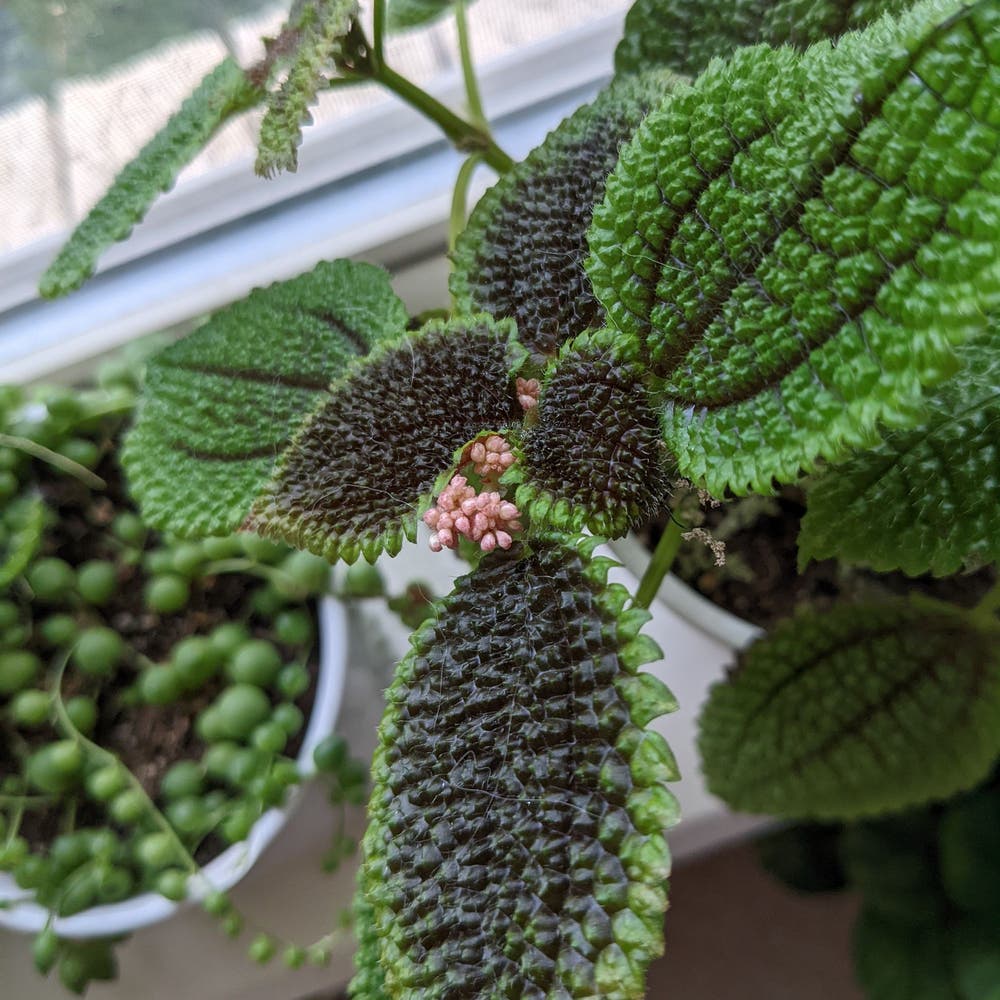
Pilea 'Moon Valley' is a bit of an enigma when it comes to flowering. While its foliage is the main attraction, proper light can coax out its subtle cream or pink blossoms. Too much focus on leaves, and you might miss the floral show.
⛅️ Finding the Light Sweet Spot
To increase your chances of seeing those shy blooms, aim for bright, indirect light. It's like a secret handshake with your Pilea—get it right, and you might just be rewarded with flowers. An east-facing window is your best bet, but any spot that mimics this light quality will do.
⛅️ Seasonal Adjustments
Remember, your Pilea's internal clock ticks with the seasons. Cooler temperatures during winter can signal it's time to conserve energy, setting the stage for blooming when warmth returns. Keep it in a cooler room when the days are short.
⛅️ Self-Sufficient Bloomers
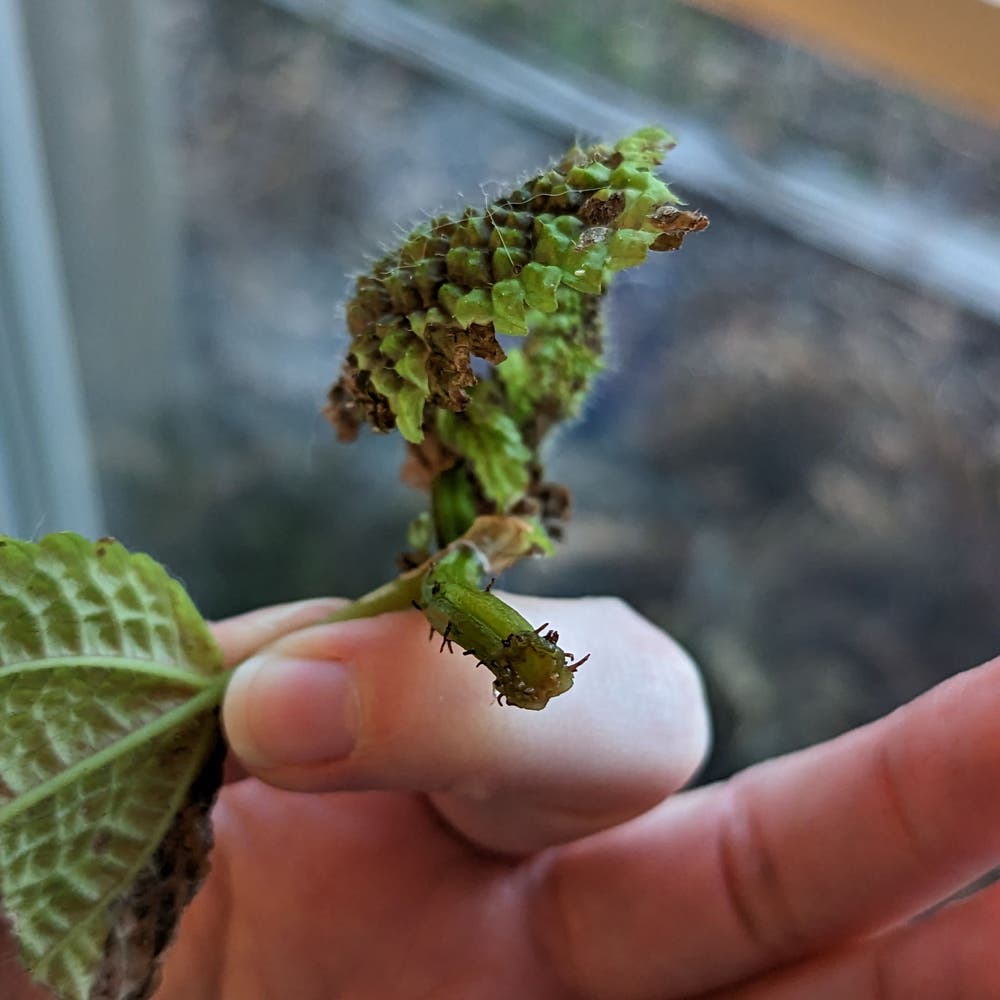
Don't expect a Vegas show; Pilea flowers are understated. They don't need to flag down pollinators, so their blooms are not designed to dazzle. If you're lucky, you'll spot bright green buds that mature into white or pale pink flowers on a purple stem.
⛅️ Indoor vs. Outdoor
Indoors, your Pilea might play hard to get with flowering. Outdoors, with more nuanced light conditions, you might see a different side of your plant. Just be cautious of direct sunlight; it's the nemesis of those delicate leaves and potential blooms.

Boosting Growth with Grow Lights
💡 Choosing the Right Grow Light
LED lights are the MVPs for Pilea 'Moon Valley' indoors. They're like a power lunch for your plant, offering a full spectrum of light without the guilt of high energy bills. Fluorescent bulbs are the budget-friendly alternative, think of them as the light snack that still satisfies.
💡 Timing is Everything
Your Pilea 'Moon Valley' doesn't need a 24/7 light buffet. Aim for 12-14 hours of artificial sunshine daily. A timer isn't just a nice-to-have; it's your plant's personal assistant, keeping its light diet regular. If your Pilea starts to look like it's had too much sun, it's time to dial back. Not enough growth? Crank it up a notch. Listen to your plant—it's the best critic you'll have.
⚠️ Safety First
This content is for general information and may contain errors, omissions, or outdated details. It is not medical, veterinary advice, or an endorsement of therapeutic claims.
Always consult a qualified healthcare professional before using any plant as food, medicine, or supplement.
Never eat any plant (or feed one to pets) without confirming its identity with at least two trusted sources.
If you suspect poisoning, call Poison Control (800) 222-1222, the Pet Poison Helpline (800) 213-6680, or your local emergency service immediately.
Spotted an error? Please report it here.
Discover the ideal light for your Pilea 'Moon Valley' and keep it thriving with Greg's tailored reminders 🌟, ensuring your green friend always has its place in the sun.