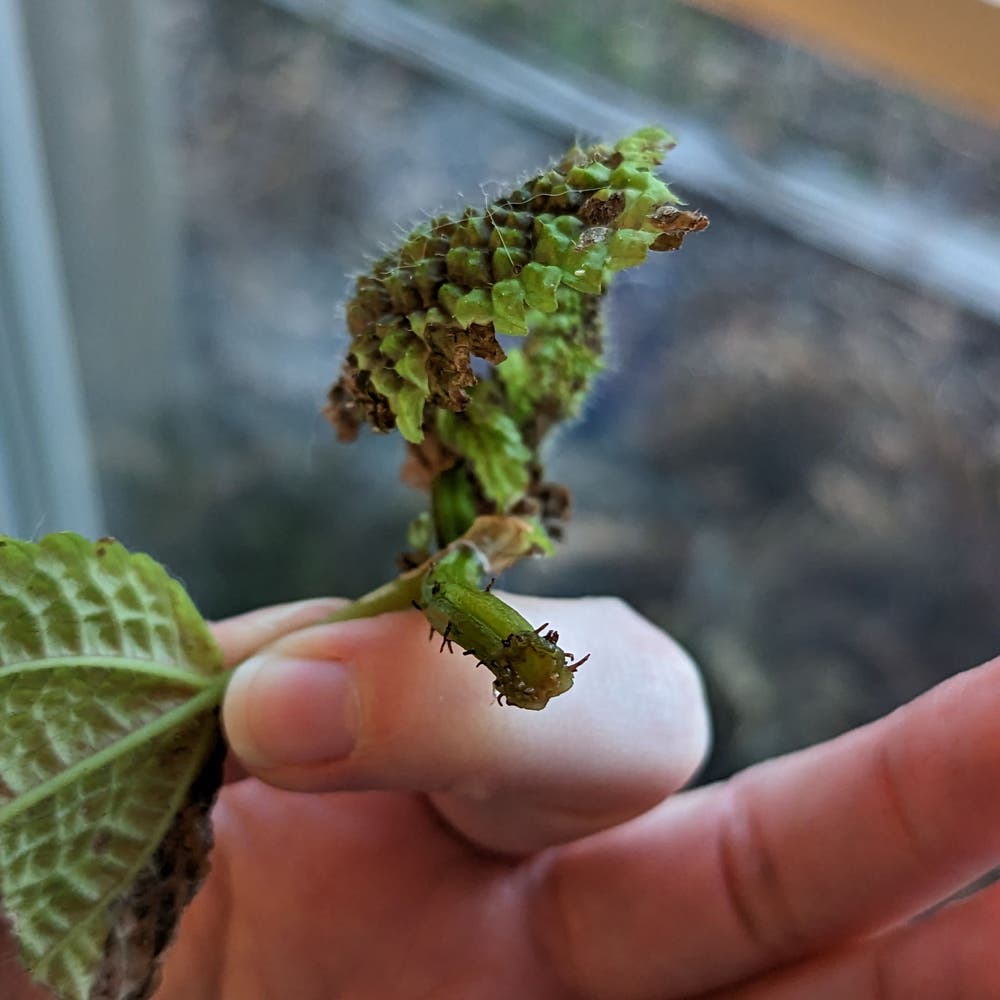
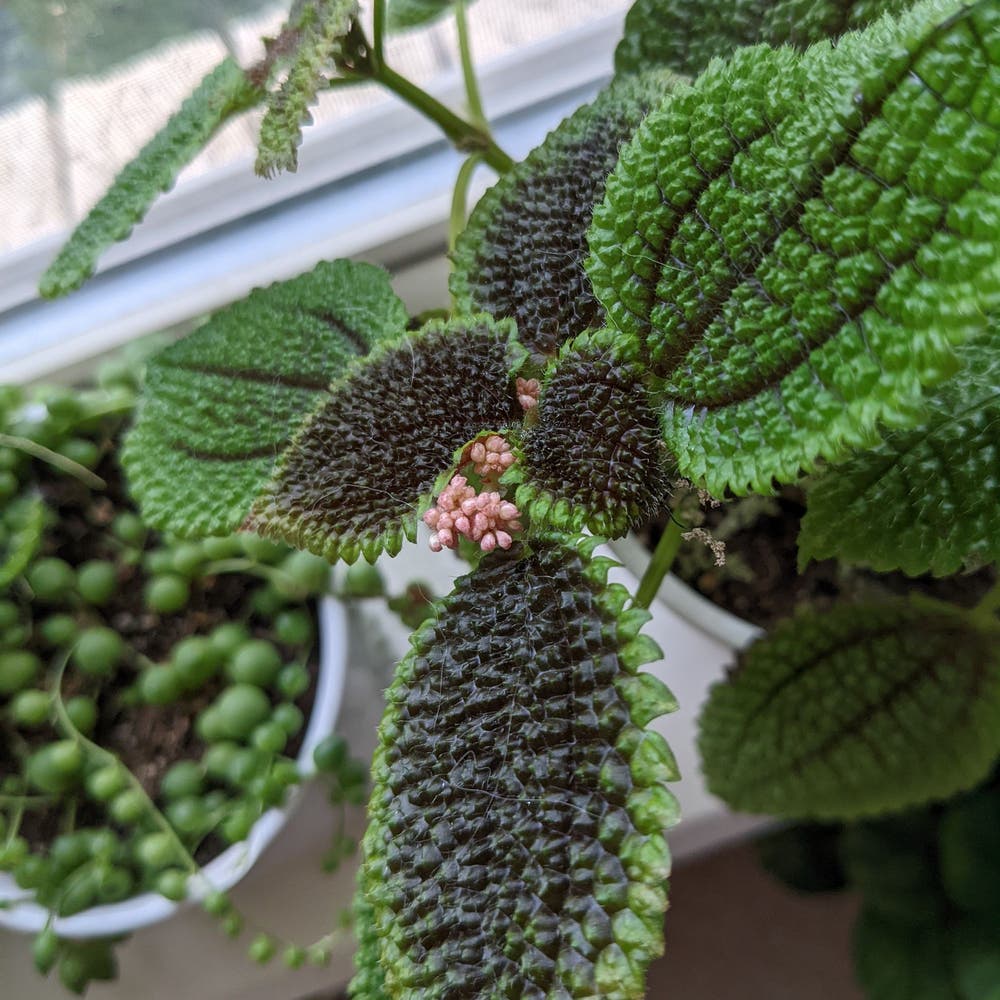
Why Is My Pilea 'Moon Valley' Dropping Leaves?
Pilea mollis 'Moon Valley'
By the Greg Editorial Team
Jun 18, 2024•4 min read
This article was created with the help of AI so we can cover more plants for you. May contain errors. See one? Report it here.
Prevent leaf loss and keep your Pilea 'Moon Valley' thriving with expert care tips! 🌿🔍
- Over/underwatering causes leaf drop: Aim for moist, slightly dry soil.
- Bright, indirect sunlight is key: Rotate plant, avoid direct sun.
- Stable climate prevents leaf loss: Use humidifier, avoid temperature extremes.
Pinpointing the Culprits Behind Leaf Drop
💧 Over and Underwatering Woes
Watering missteps are notorious for causing leaf drop in Pilea 'Moon Valley'. Overwatering leads to soggy soil and root rot, while underwatering leaves your plant dehydrated and distressed.
Signs of Water Distress
Leaves turning yellow and dropping signal overwatering, while dry, crispy leaves suggest thirst. Check the soil's top inch; if it's dry, it's time to water, but don't drown your plant in enthusiasm.
Fine-tuning Your Watering Routine
Aim for moist, not soggy soil, and let it dry slightly between waterings. Adjust your routine with the seasons—more frequent in growth periods, less in cooler months.
☀️ Light Levels: Finding the Sweet Spot
Light is like a plant's lifeline, and getting it wrong can lead to a leaf exodus.
How Light Affects Leaf Retention
Too much light scorches leaves, causing them to fall, while too little light weakens your Pilea, leading to leaf loss. Bright, indirect sunlight is the sweet spot.
Adjusting Your Plant's Sunbathing Schedule
Rotate your plant for even light exposure. If your Pilea is looking sunburnt or pale, it's time to move it to a better-lit or shaded spot, respectively.
🌡️ Temperature and Humidity: Striking a Balance
Temperature and humidity are the unsung heroes of leaf health.
The Role of Climate in Leaf Health
Avoid temperature extremes and direct sunlight. A stable environment prevents leaves from dropping out of shock.
Creating the Ideal Microclimate for Your Pilea
Use a pebble tray or humidifier to maintain humidity levels. Keep the plant space clean and free of debris to deter pests, and rotate your plant regularly for uniform light exposure.

First Aid for Your Falling Foliage
💦 Resuscitating an Overwatered Pilea
Assess the damage first. Yellow leaves, mushy roots, or moldy soil are your red flags. If the roots are more brown than a well-done steak, you've got root rot. Trim the dead weight; snip off the soggy, mushy parts. Let the roots air out like laundry on a sunny day. Once they're dry, replant in fresh, well-draining soil and water with the restraint of a monk.
💧 Reviving from Underwatering
Is your Pilea as parched as a desert? Soak it through. Give it a good drink, but don't drown it in your eagerness. After the spa treatment, let it drain like it's shedding excess baggage. Going forward, check the soil's thirst level before watering—stick your finger in the soil; if it's dry, it's time to hydrate.
🌞 Adjusting Light and Location
Light is like a plant's coffee; it needs the right amount to thrive. If your Pilea's dropping leaves like hot potatoes, it might need more light. Move it to a brighter spot, but keep it away from the harsh midday sun. Think of it as a sunbathing session, not a trip to the solarium.
🌡️ Climate Control: Warmth and Moisture Management
Your Pilea's not asking for a tropical vacation, just stable warmth and humidity. If your home's as dry as a stand-up show, consider a humidifier or a pebble tray with water. Keep the temperature consistent, like your favorite coffee shop's vibe. No sudden drafts or temperature swings—plants hate surprises.

Proactive Plant Parenting: Preventing Leaf Loss
💡 Establishing a Tailored Care Schedule
Consistency is the backbone of Pilea 'Moon Valley' care. To prevent the heartbreak of leaf loss, a routine that caters to the specific needs of your plant is crucial.
- Monitor the moisture level of the soil; water when the top inch feels dry, not just because the calendar says so.
- Light should be bright but indirect, mimicking the dappled sunlight of the plant's natural habitat.
- Temperature and humidity should be kept stable, avoiding the drama of sudden changes.
💬 Reading Your Plant's Distress Signals
Your Pilea's leaves are like its personal Twitter feed, broadcasting real-time updates on its well-being.
- Yellowing leaves? Could be a sign of overwatering or nutrient deficiency.
- Drooping? Your plant might be thirstier than a marathon runner at the finish line.
- Adjust your care regimen with the precision of a plant whisperer to keep those leaves attached and thriving.

⚠️ Safety First
This content is for general information and may contain errors, omissions, or outdated details. It is not medical, veterinary advice, or an endorsement of therapeutic claims.
Always consult a qualified healthcare professional before using any plant as food, medicine, or supplement.
Never eat any plant (or feed one to pets) without confirming its identity with at least two trusted sources.
If you suspect poisoning, call Poison Control (800) 222-1222, the Pet Poison Helpline (800) 213-6680, or your local emergency service immediately.
Spotted an error? Please report it here.
Combat leaf drop in your Pilea 'Moon Valley' by tuning into 🎚️ Greg's custom care reminders for watering precision and perfect light placement, plus get community support when you need it most.