Why Are My Pilea 'Moon Valley' Leaves Mushy? 💧
Pilea mollis 'Moon Valley'
By the Greg Editorial Team
Jun 18, 2024•4 min read
This article was created with the help of AI so we can cover more plants for you. May contain errors. See one? Report it here.
Rescue your Pilea from mushy doom 🌿—learn the must-know signs and swift fixes!
- Mushy leaves mean trouble; address overwatering and drainage issues promptly.
- 🚨 Discoloration and black spots signal immediate attention is needed.
- Prevent root rot by balancing water, ensuring drainage, and regular plant check-ups.
Spotting the Signs of Trouble
🍂 Identifying Mushy Leaves: What to Look For
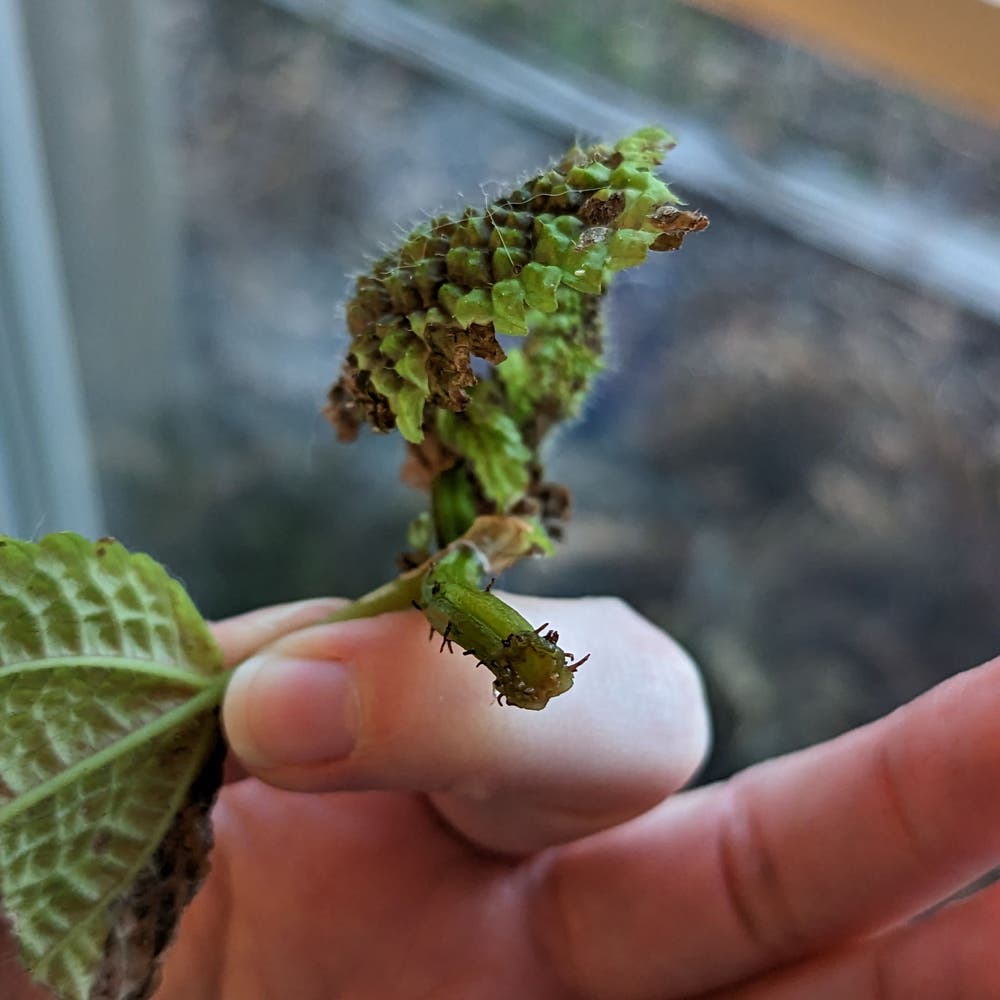
Mushiness is a no-go. If your Pilea 'Moon Valley' leaves feel like overripe fruit, that's your signal to step in. Look for leaves that have given up the ghost, appearing darkened or wilted. This isn't just a bad leaf day; it's a cry for help.
🚨 Beyond the Touch: Other Symptoms of Distress in Pilea 'Moon Valley'
But wait, there's more. Yellowing leaves aren't trying out a new color; they're hinting at nutritional deficiencies or watering woes. Shriveled leaves aren't a new plant trend; they're parched for water. On the flip side, leaves puffier than a marshmallow might be drowning in drink. And don't ignore stunted growth; it's not laziness—it's a silent plea for better care. Keep a sharp eye out for any discoloration or black spots; these are red alerts that demand your immediate attention.

Getting to the Root of the Problem
💦 Overwatering and Its Consequences
Overwatering is a classic case of too much of a good thing. Your Pilea 'Moon Valley' might be drowning in kindness. Leaves turning to mush? It's a telltale sign you've been heavy-handed with the H2O. Balance is key—let the top inch of soil dry out before you water again.
🚰 When the Water Won't Flow: Drainage Issues
Poor drainage is like a bad relationship—it's stifling. If your Pilea's pot lacks proper drainage, you're setting the stage for a soggy disaster. Quick fix: ensure your pot has holes. If it's more sealed than a submarine, it's time for a repot. Add perlite or sand to your soil mix to keep it loose and breathable.

Root Rot: The Silent Leaf Killer
🔍 Unearthing the Signs of Root Rot
Root rot is the stealthy saboteur of Pilea 'Moon Valley' plants, often going unnoticed until it's too late. If your plant's growth has hit the brakes or the leaves feel like a soggy sponge, it's time to investigate. Healthy roots should be firm and white, resembling fresh produce rather than overcooked noodles. Dark, slimy roots are a clear indicator that root rot has taken hold.
🛠 Steps to Salvage Your Pilea from Root Decay
When root rot is suspected, it's time for some plant triage. Gently remove the Pilea from its pot and clear away the soil to get a good look at the roots. Rotten roots will need to be pruned—think of it as a necessary amputation to save the plant. Use sterilized scissors for the job to avoid spreading any pathogens. After the compromised roots are gone, let the healthy ones breathe before repotting in fresh, well-draining soil. A pot with proper drainage holes is non-negotiable. Remember, moderation in watering is key; your Pilea isn't fond of swimming.

Turning Over a New Leaf: Recovery and Prevention
🌿 Resuscitating Your Pilea
Immediate action is crucial for a Pilea with mushy leaves. Begin by trimming any damaged foliage; this helps prevent further decay. Next, inspect the roots—mushy or discolored roots indicate rot. If present, trim the affected areas. Repot your Pilea in fresh, well-draining soil, ensuring the pot has adequate drainage holes. This is like hitting the reset button for your plant's environment.
🔮 Future-Proofing Your Pilea
Prevention is the best medicine for your Pilea 'Moon Valley'. Start with monitoring watering habits—only water when the top inch of soil is dry. Use your finger as a makeshift moisture meter. Ensure your Pilea's pot has drainage holes to avoid waterlogging.
Airflow and positioning are also critical. Keep your plant in a spot with good air circulation to prevent bacterial and fungal diseases. If your Pilea could talk, it would ask for a room with a view—place it near north or east-facing windows or use sheers for harsher south or west exposures.
Regular check-ups are non-negotiable. Flip those leaves, peek at the stems, and be the detective your garden deserves. Adjust your care routine like you're fine-tuning a vintage radio—until everything comes in loud and clear.
Lastly, don't forget to fertilize—a diluted, balanced houseplant fertilizer twice a year will do. It's like a spa day for your Pilea, minus the cucumber slices. Keep an eye on the patient, adjusting care as needed, because no two Pileas are exactly alike.
⚠️ Safety First
This content is for general information and may contain errors, omissions, or outdated details. It is not medical, veterinary advice, or an endorsement of therapeutic claims.
Always consult a qualified healthcare professional before using any plant as food, medicine, or supplement.
Never eat any plant (or feed one to pets) without confirming its identity with at least two trusted sources.
If you suspect poisoning, call Poison Control (800) 222-1222, the Pet Poison Helpline (800) 213-6680, or your local emergency service immediately.
Spotted an error? Please report it here.
Banish the woes of mushy leaves 🍂 with Greg's custom watering plan and expert community support to ensure your Pilea 'Moon Valley' thrives.