Black Spots on My Pilea 'Moon Valley' Leaves
Pilea mollis 'Moon Valley'
By the Greg Editorial Team
Jun 18, 2024•4 min read
This article was created with the help of AI so we can cover more plants for you. May contain errors. See one? Report it here.
Banish black spots 🕵️♂️ and restore your Pilea 'Moon Valley' to its spotless glory with expert tips!
- Overwatering and fungi like Fusarium cause black spots; adjust watering habits.
- Improve air circulation with fans or spacing to prevent spot development.
- Regular inspections help catch and address black spots early on.
Spotting the Trouble: Recognizing Black Spots
🕵️♂️ Visual Symptoms
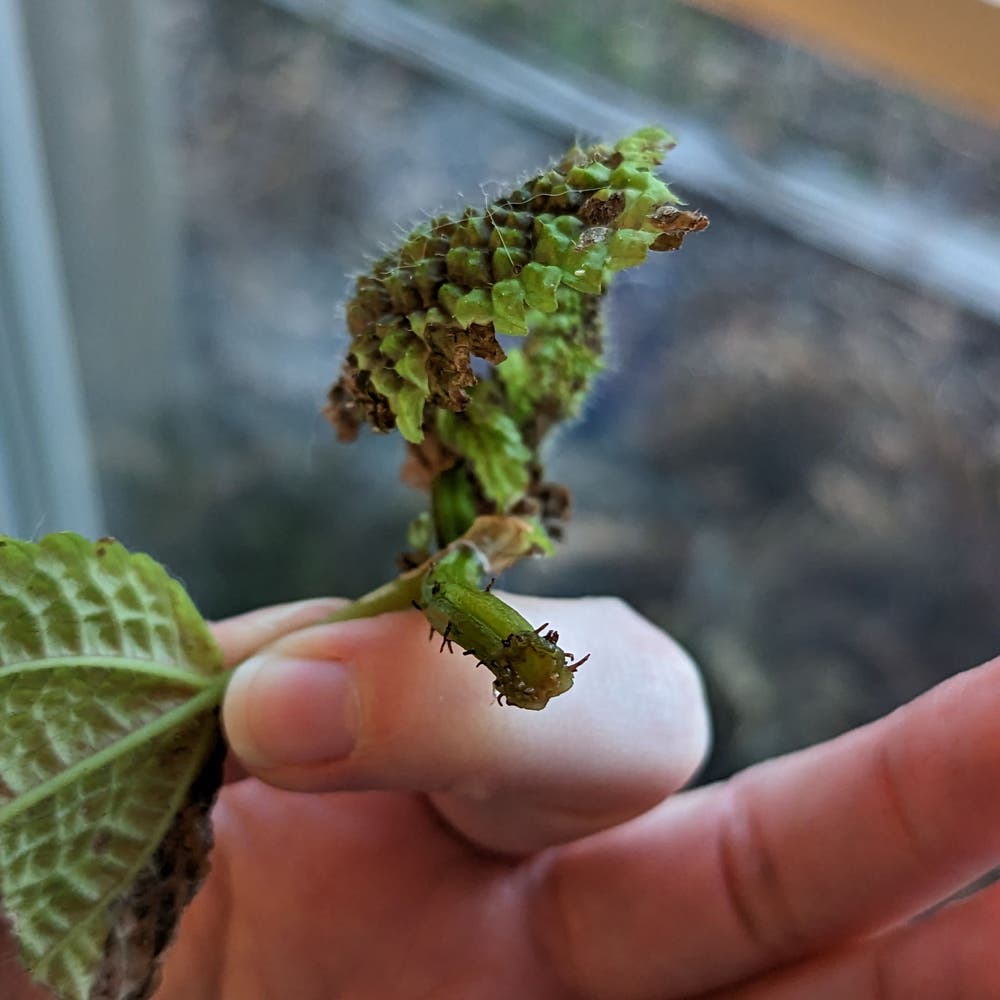
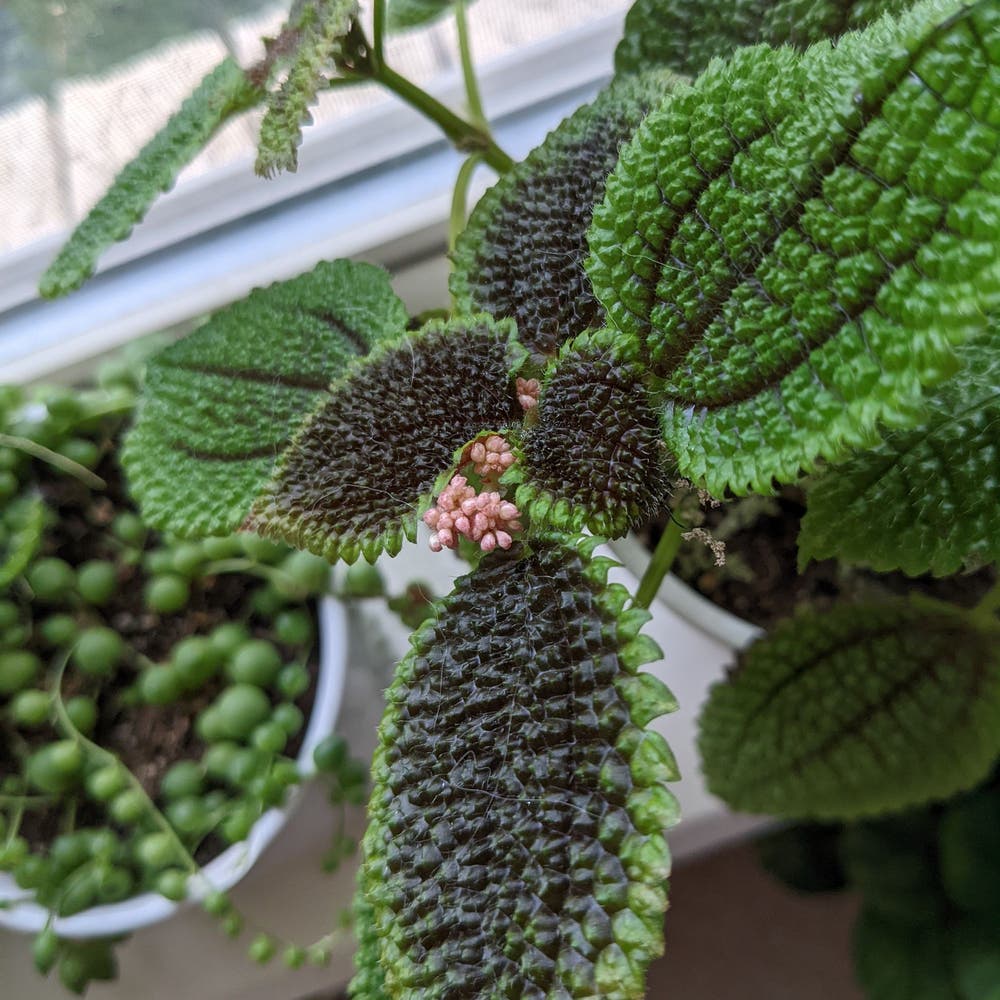
Black spots on your Pilea 'Moon Valley' are like uninvited guests; they start small and can quickly become a full-blown infestation. Pinprick-sized specks may seem harmless, but they can grow, merge, and form larger blotches that are anything but decorative. Some spots might be raised or sunken, and their texture can vary from scabby to drained. Keep a watchful eye on new growth, as it's not immune to these blemishes.
🕵️♂️ Mistaken Identities
Not all black spots spell doom; it's key to differentiate them from other leaf quirks. Some spots might be due to environmental factors like too much sun, which calls for a lighting adjustment rather than a full-scale intervention. Others could be the result of physical damage or mineral deposits, which, unlike pathogen-induced spots, won't spread. Regular inspections are your best defense, turning you into a plant health detective.

The Usual Suspects: Pinpointing Causes
💦 Too Much Love: The Overwatering Connection
Overwatering is the equivalent of a helicopter parent in the plant world. It smothers, leading to a soggy mess where roots can't breathe. Root rot sets in, and black spots on leaves become the distress signals of your drowning Pilea 'Moon Valley'.
🍄 Unwanted Guests: Fungal Culprits
Fungi like Fusarium and Phytophthora are the villains in this story, turning lush leaves into their canvas of decay. These culprits leave a calling card of concentric rings or halos around the black spots. If you spot these, it's time to declare war on these fungal foes.
💨 Stale Air: The Role of Poor Circulation
Think of poor air circulation as a fungi's VIP pass to your Pilea's personal space. Stagnant air lets moisture linger, and before you know it, black spots are gatecrashing the leafy party. Ensuring your plant has room to breathe is crucial in keeping the fungal revelry at bay.

Black Spot Boot Camp: Effective Remedies
💧 Drying Out: Watering Adjustments
Adjust your watering routine to prevent black spots from turning your Pilea 'Moon Valley' into a splotchy mess. Ensure the soil is dry to the touch before giving your plant a drink. Water at the base to keep the leaves dry, avoiding the temptation to give it a leafy shower.
🍄 Fungus Among Us: Choosing the Right Treatment
When fungi decide to crash the party, it's time to break out the fungicides. Opt for neem oil for a natural solution, or concoct a home remedy of baking soda, water, and a dash of soap to alter the leaf pH. Apply treatments thoroughly, ensuring every part of the plant is covered to evict unwanted fungal guests.
💨 Breathe Easy: Enhancing Airflow
Improve air circulation around your Pilea to keep those black spots at bay. Space out your plants and consider using a fan if indoors. Think of it as giving your plant its own personal bubble that fungi can't pop.

Keeping Spots at Bay: Proactive Prevention
💧 Water Wisely: Preventing Overhydration
Watering your Pilea 'Moon Valley' is less about sticking to a schedule and more about responding to its needs. Check the soil before watering; if the top inch feels dry, it's time to hydrate. Aim for the base to keep leaves dry, and do it in the morning so any accidental splashes can evaporate before nightfall.
💦 Humidity Harmony: Balancing Moisture in the Air
Monitor humidity levels with a hygrometer to maintain that sweet spot—not too humid, not too dry. If you're battling excess moisture, a dehumidifier can be your best friend. Conversely, a pebble tray or humidifier can boost humidity in arid environments. Just remember, balance is key.
👀 Vigilant Vision: Routine Plant Check-ups
Make inspections a regular part of your plant care routine. Look for early signs of distress, such as discoloration or spotting, and act swiftly. Regular grooming, like removing dead leaves, can keep your Pilea looking sharp and, more importantly, healthy. Remember, proactive care is your plant's best defense.
⚠️ Safety First
This content is for general information and may contain errors, omissions, or outdated details. It is not medical, veterinary advice, or an endorsement of therapeutic claims.
Always consult a qualified healthcare professional before using any plant as food, medicine, or supplement.
Never eat any plant (or feed one to pets) without confirming its identity with at least two trusted sources.
If you suspect poisoning, call Poison Control (800) 222-1222, the Pet Poison Helpline (800) 213-6680, or your local emergency service immediately.
Spotted an error? Please report it here.