💧 Why Are My Pilea 'Moon Valley' Leaves Droopy?
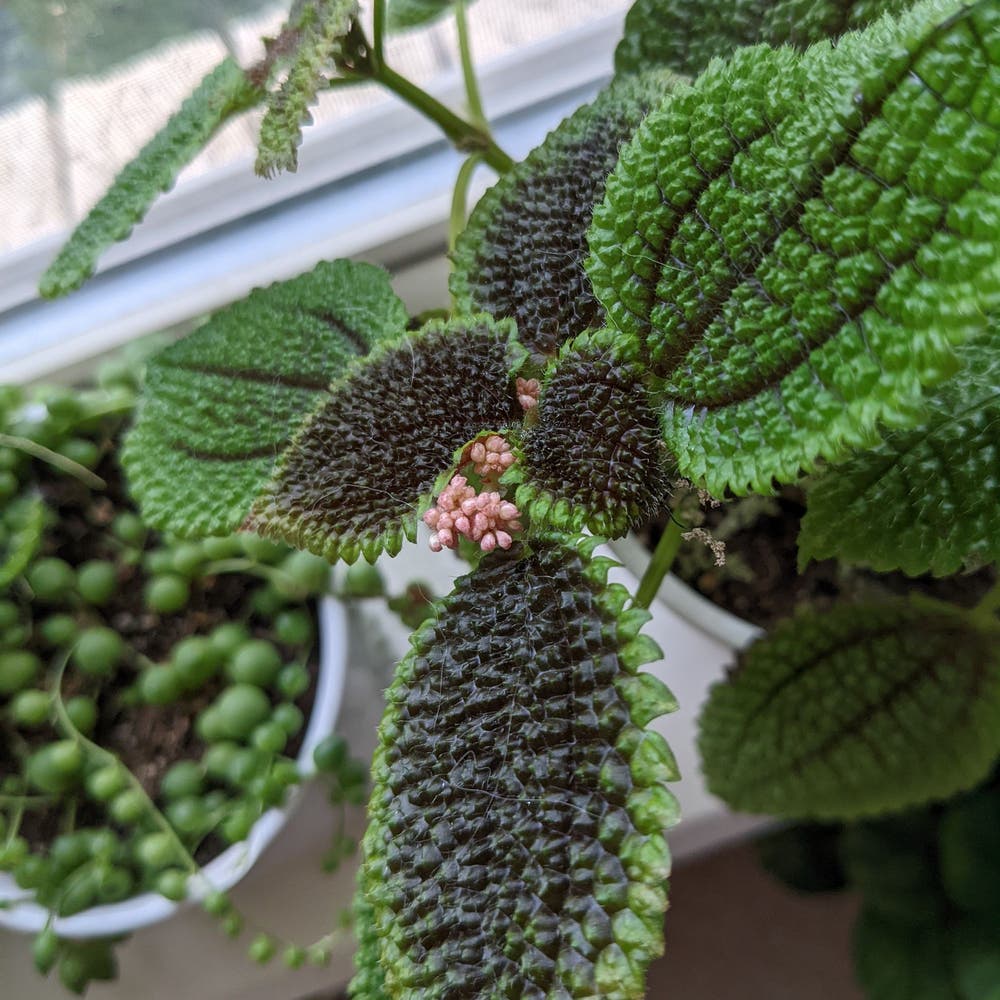
Pilea mollis 'Moon Valley'
By the Greg Editorial Team
Jun 18, 2024•3 min read
This article was created with the help of AI so we can cover more plants for you. May contain errors. See one? Report it here.
Perk up your Pilea 'Moon Valley' 🌿 with these fail-proof tips for droop-free leaves!
- 🌊 Overwatering? Yellow leaves and mushy stems are your clue.
- 🍂 Underwatering? Look for droopy leaves and dry soil.
- ☀️🌡️ Stable light and temperature are crucial for Pilea 'Moon Valley' health.
Spotting the Signs of Distress
🚰 Recognizing Overwatering Symptoms
Yellow leaves and mushy stems are the plant's way of saying it's had too much to drink. If the soil feels like a wet sponge, it's time to cut back on the water. Root rot is a serious issue, often accompanied by a foul smell. Check the roots; if they're dark and slimy, overwatering is likely the culprit.
🏜️ Identifying Underwatering Red Flags
When leaves droop and the soil is as dry as a bone, your Pilea 'Moon Valley' is parched. Crispy leaves are a clear sign that your plant is dehydrated. If the soil pulls away from the pot's edge, it's screaming for hydration. Remember, a thirsty plant can look as sad as a forgotten teddy bear.
🌞 Light and Temperature: Finding the Sweet Spot
Leaves curling up? That's the plant's way of dealing with too much heat or not enough water. If your Pilea loses its vibrant color, it might be asking for a break from the spotlight. Keep temperatures consistent; think of your plant as a guest at a party—it doesn't want to freeze or sweat.

Turning the Tide on Droopiness
🚰 Fine-Tuning Your Watering Routine
Establishing the right watering frequency for your Pilea 'Moon Valley' is like hitting the bullseye in darts—it requires precision. Check the soil moisture before watering; if the top inch is dry, it's a green light. If it's moist, hold your horses. Remember, the goal is to let the soil dry out just a tad between waterings.
Room-temperature water is the drink of choice for your plant, as cold water can shock the roots. Always water at the base to avoid leaf issues and unwelcome fungal parties. And don't forget, your plant's thirst changes with the seasons—water less when it's cooler.
🌞 Adjusting Light and Temperature Conditions
Your Pilea 'Moon Valley' craves bright, indirect sunlight. Too much sun and you're asking for crispy leaves, too little and you'll get the droops. Keep the light consistent and your plant will thank you with perky leaves.
Temperature stability is key—think of maintaining a climate that's as comfortable as your favorite hoodie. And don't underestimate a gentle breeze; a fan can prevent stale air and keep your plant's environment fresh. Just remember, it's about creating a cozy haven, not a wind tunnel.

Long-Term Strategies for Perky Leaves
💧 Crafting a Tailored Watering Schedule
Plant cues are your crystal ball for watering. Observe your Pilea 'Moon Valley' like a hawk; droopy leaves can signal thirst, while yellowing might mean waterlogged roots. Seasonal adjustments are not just for your wardrobe but also for your plant's hydration needs. In winter, your plant sips water like a fine wine, so reduce the frequency. Come summer, it's ready for a hydrating cocktail—water more often, but never drown it.
🌞 Maintaining Ideal Growing Conditions
Light exposure is the secret sauce for Pilea 'Moon Valley' health. Too much, and your plant is sunburnt; too little, and it's in the dark ages. Find that sweet spot of bright, indirect light. For temperature, think of your plant as a Goldilocks guest—steady and comfortable wins the race. Keep it away from drafts and direct heat sources. And remember, a happy plant is in a stable relationship with its environment.

⚠️ Safety First
This content is for general information and may contain errors, omissions, or outdated details. It is not medical, veterinary advice, or an endorsement of therapeutic claims.
Always consult a qualified healthcare professional before using any plant as food, medicine, or supplement.
Never eat any plant (or feed one to pets) without confirming its identity with at least two trusted sources.
If you suspect poisoning, call Poison Control (800) 222-1222, the Pet Poison Helpline (800) 213-6680, or your local emergency service immediately.
Spotted an error? Please report it here.
Ensure your Pilea 'Moon Valley' thrives with just the right amount of moisture by using Greg's custom watering plans 🌿, tailored to prevent droopy leaves and keep your plant perky.