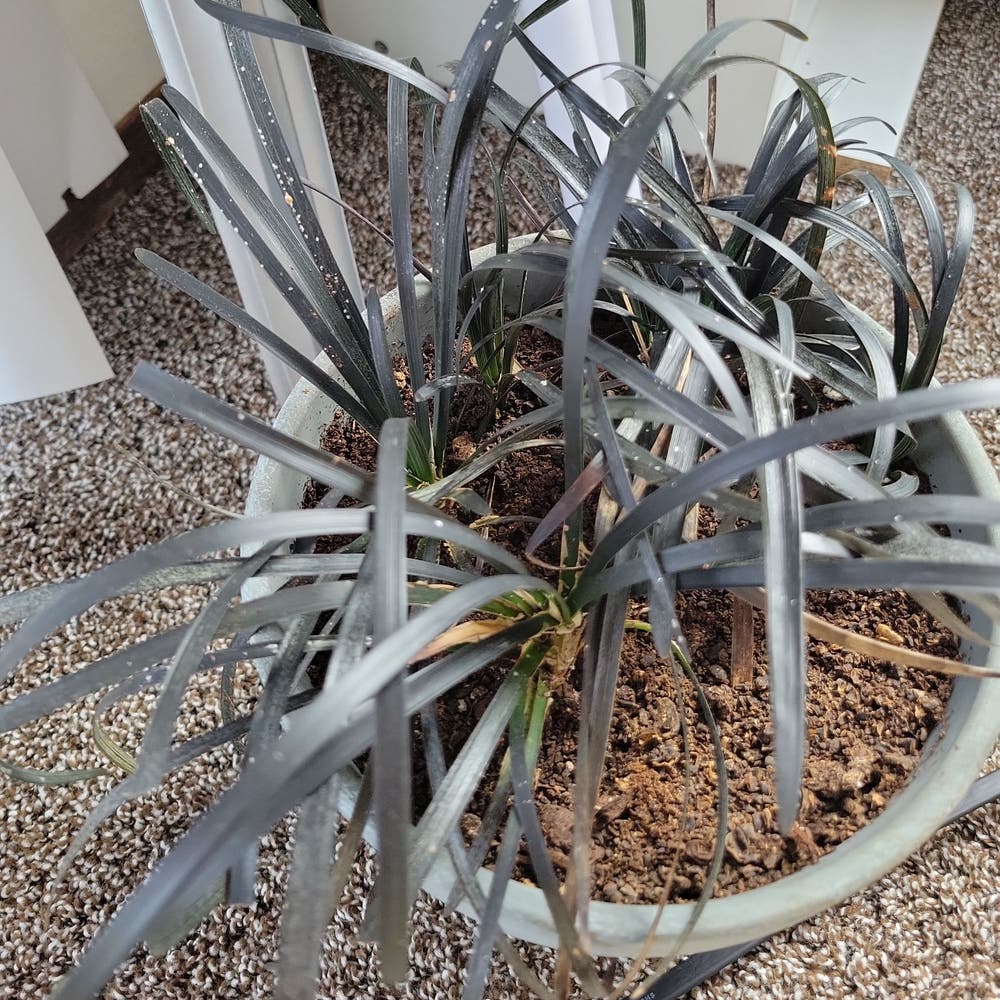
🌾 Understanding Mondo Grass: The Basics
Ophiopogon japonicus
By the Greg Editorial Team
Feb 02, 2025•11 min read
This article was created with the help of AI so we can cover more plants for you. May contain errors. See one? Report it here.
- 🌳 Pierre's Mondo Grass thrives in shade, perfect for cooler garden areas.
- 🌱 Use well-draining soil with pH 6.0-7.0 for optimal growth.
- 💧 Keep soil moist until established, then allow slight drying between waterings.
How to Grow
🌳 Choosing a Location
When selecting a spot for Pierre's Mondo Grass, aim for partial to full shade. This plant thrives in cooler, shaded areas, making it perfect for under trees or in garden nooks.
Consider whether you’re planting outdoors or in containers. Outdoor locations should provide some shelter from harsh sunlight, while container plants need a similar light environment to flourish.
🌱 Soil Preparation
For optimal growth, use well-draining, fertile soil. This ensures that the roots can access nutrients without sitting in water.
Aim for a pH level between slightly acidic and neutral, ideally between 6.0 and 7.0. Testing your soil beforehand can help you achieve the best results.
🌼 Planting Techniques
When planting, dig a hole that’s 1-2 inches deep. This depth allows the roots to establish without being too exposed.
Space your plants 12-18 inches apart if you’re using them as ground cover. This spacing promotes healthy growth and airflow between plants.
💧 Watering Requirements
Initially, keep the soil consistently moist until the plants are established. This helps them settle in and develop a strong root system.
Once established, allow the soil to dry slightly between waterings. This balance prevents overwatering, which can lead to root rot.
🌿 Fertilizing Schedule
Fertilize every 4-6 weeks during the growing season. This regular feeding supports robust growth and vibrant foliage.
A balanced NPK fertilizer is recommended. This type of fertilizer provides essential nutrients that promote overall plant health.
✂️ Pruning and Ongoing Care
Regularly prune by removing dead or damaged leaves. This not only keeps your plant looking tidy but also encourages new growth.
Seasonal care is essential; consider mulching to retain moisture and suppress weeds. A good layer of mulch can make a significant difference in maintaining soil health.
🪴 Outdoor vs. Container Growing
For container growing, ensure adequate drainage and choose a pot that’s large enough for root growth. A well-drained pot prevents water accumulation and promotes healthy roots.
Remember, whether in the ground or in a pot, the right conditions are key to thriving Mondo Grass. With proper care, you’ll enjoy its lush beauty for years to come.
As we move forward, let’s explore how to propagate this resilient plant effectively.
Propagation
🌱 Division Method
Propagation through division is a straightforward way to expand your Mondo Grass collection. The best time to divide your plants is in spring or fall when they are actively growing.
To divide, carefully separate the clumps of grass, ensuring each division has roots attached. Replant them in well-prepared soil, and watch them thrive in their new spots.
🌾 Seed Propagation
While seed propagation is possible, it’s generally slower and less common for Mondo Grass. For successful germination, provide warm temperatures and keep the soil consistently moist.
This method requires patience, as seeds may take longer to sprout compared to other propagation techniques.
✂️ Cutting Propagation
Cutting propagation is another effective method. Select healthy, non-flowering stems for the best results.
Use a rooting medium that consists of a mix of peat and perlite. This combination promotes healthy root development and helps your cuttings establish quickly.
By exploring these propagation methods, you can easily expand your Mondo Grass garden and enjoy its lush beauty in various locations. Next, let’s delve into the size characteristics of this versatile plant.
Size
Growth Rate and Time to Full Size 🌱
Pierre's Mondo Grass typically takes about 2-3 years to reach its full size. This gradual growth allows it to establish a robust root system, ensuring long-term health and vitality.
Mature Height and Spread 📏
Once fully grown, this grass can reach a height of up to 12 inches. Its spread can extend between 18 to 24 inches wide, making it an excellent choice for ground cover.
Size Variability Based on Conditions 🌦️
The size of Pierre's Mondo Grass can vary significantly based on several factors. Key influences include light exposure, soil quality, and water availability, all of which play a crucial role in its overall growth and development.
Understanding these size characteristics will help you plan your garden layout effectively. Next, let’s explore the root system of this resilient plant and how it contributes to its growth.
Roots
Root System Characteristics 🌱
Pierre's Mondo Grass features a rhizomatous root system. This type of root structure allows the plant to spread effectively and establish a robust foundation.
Depth and Spread of Roots 📏
Typically, the roots grow to a depth of 6-12 inches. They can also extend beyond the plant's canopy, which helps in stabilizing the plant and accessing nutrients.
Common Root-Related Issues 🚫
One of the most common issues is root rot, often caused by overwatering. Signs of unhealthy roots include brown, mushy textures that indicate a problem.
Identifying Healthy vs. Unhealthy Roots 🔍
Healthy roots are firm and exhibit a white or light tan color. In contrast, unhealthy roots appear dark and mushy, signaling that immediate action is needed.
Recognizing Rootbound Plants 🪴
Rootbound plants show signs like stunted growth and roots growing out of drainage holes. To remedy this, consider repotting or dividing the plant to encourage healthy growth.
Understanding the root system of Pierre's Mondo Grass is crucial for its care. By recognizing these characteristics and issues, you can ensure your plant thrives beautifully.
Benefits
Top 5 Benefits 🌟
Pierre's Mondo Grass offers a multitude of advantages that make it a favorite among gardeners. Here are the top five benefits that stand out:
Excellent Ground Cover: This plant is a champion at suppressing weeds while retaining soil moisture. Its dense growth creates a natural barrier, allowing your garden to thrive without the hassle of constant weeding.
Drought-Tolerant: Once established, Pierre's Mondo Grass requires minimal water. This resilience makes it an ideal choice for those looking to conserve water and reduce maintenance.
Aesthetic Appeal: With its lush, green foliage, this grass enhances any garden design. It adds texture and depth, making your outdoor space visually appealing year-round.
Erosion Control: If you have sloped areas in your garden, this grass stabilizes the soil effectively. Its root system helps prevent erosion, keeping your landscape intact during heavy rains.
Low Maintenance: One of the best features of Pierre's Mondo Grass is its low upkeep requirements. It thrives with minimal care, allowing you to enjoy your garden without the constant need for attention.
These benefits make Pierre's Mondo Grass an excellent choice for both novice and experienced gardeners. Its combination of beauty and practicality ensures that your garden remains vibrant and healthy with little effort.
As we explore the propagation methods next, you'll discover how to expand your collection of this fantastic plant.
Problems
Common Problems 🌱
Mondo grass can face several challenges that affect its health and growth. Here are the most common issues to watch for:
- Incorrect Watering: Overwatering can lead to root rot, while underwatering may cause the plant to wilt.
- Incorrect Light Conditions: Insufficient light can result in leggy growth, while too much sun can cause leaf scorch.
- Diseases: Fungal issues, such as powdery mildew, can develop in humid conditions.
- Root Problems: Root rot and mushy roots often stem from poor drainage or excessive moisture.
Identifying Symptoms and Causes 🔍
Recognizing symptoms early can save your Mondo grass from serious damage.
- Overwatering: Look for yellowing leaves and a soggy base.
- Underwatering: Signs include wilting and browning leaf tips.
- Leaf Scorch: This appears as brown, crispy edges on leaves, indicating too much sun exposure.
- Leggy Growth: If the plant stretches toward light, it may not be getting enough.
- Powdery Mildew: A white, powdery coating on leaves signals a fungal infection.
- Root Rot: Brown, mushy roots indicate overwatering or poor drainage.
Solutions for Top 5 Common Issues 🛠️
Addressing these problems promptly can help your Mondo grass thrive. Here are simple solutions:
- Watering: Adjust your watering schedule. Ensure the soil is moist but not soggy, allowing it to dry slightly between waterings.
- Light Conditions: Move the plant to a location with partial shade if you notice leaf scorch or leggy growth.
- Fungal Issues: Improve air circulation around the plant and apply a fungicide if necessary.
- Root Problems: Check for drainage issues. If roots are mushy, repot the plant in fresh, well-draining soil.
- Regular Monitoring: Keep an eye on your plant's health. Early detection of symptoms can prevent larger problems.
By staying vigilant and addressing these common issues, you can ensure your Mondo grass remains healthy and vibrant. Next, let’s explore the potential pest issues that could affect your plant.
Bugs
🐞 Potential Pest Issues
Mondo grass, while resilient, can still face pest challenges. Understanding its resistance and susceptibility is key to maintaining a healthy plant.
🔍 Identification of Pests
Common pests that may invade your mondo grass include:
- Spider Mites: Tiny, often invisible, these pests create fine webs and cause leaf discoloration.
- Aphids: Small and green, they cluster on new growth, sucking sap and leading to stunted plants.
- Mealybugs: These white, cottony pests hide in leaf axils and can weaken your plant significantly.
⚠️ Damage Caused by Pests
Each pest brings its own set of problems:
- Spider Mites: They cause stippling and yellowing of leaves, which can lead to premature leaf drop.
- Aphids: Their feeding can result in curled leaves and a sticky residue known as honeydew, which attracts other pests.
- Mealybugs: They can cause wilting and yellowing, and their presence often indicates a more significant issue.
🛠️ Effective Treatment Options
To combat these pests effectively:
- Spider Mites: Increase humidity around the plant and consider using insecticidal soap or neem oil.
- Aphids: Introduce beneficial insects like ladybugs or use a strong stream of water to dislodge them.
- Mealybugs: Remove them manually with a cotton swab dipped in alcohol or apply a systemic insecticide for severe infestations.
By staying vigilant and addressing pest issues promptly, you can keep your mondo grass thriving and beautiful. Next, let’s explore how to protect your plants from common animal intruders.
What Eats
Common Animals 🦌
Mondo grass can attract a variety of animals that may nibble on its lush foliage. Common culprits include deer, rabbits, squirrels, birds, rodents, and groundhogs.
Signs of Animal Presence 🐾
Identifying animal visitors can be straightforward. Look for signs such as tracks in the soil, chewed leaves, or even droppings near your plants.
Damage Description 🐇
Each animal can cause different types of damage. Deer may strip entire plants, while rabbits tend to leave jagged edges on leaves. Squirrels and rodents might dig around the roots, and birds can peck at the foliage.
Deterrent Methods 🚫
To protect your mondo grass, consider both chemical and organic deterrent methods. Chemical repellents can be effective, but many gardeners prefer organic options like planting companion plants or using physical barriers such as fencing to keep these animals at bay.
By understanding what eats your mondo grass and how to deter them, you can maintain a healthy, thriving garden. Next, let’s explore the potential pest issues that can affect your plants.
Toxicity to Humans
Pierre's Mondo Grass is not listed as toxic by major poison control centers, making it a safe choice for gardens and landscapes. However, it's wise to exercise caution with any plant, as consuming large quantities may lead to mild skin irritation or digestive discomfort.
If you experience any unusual symptoms after contact or consumption, seeking medical advice is always a good idea. Remember, while this plant is generally safe, it's essential to stay informed and cautious.
Toxicity to Dogs
When it comes to Pierre's Mondo Grass, you can breathe easy. This plant is not listed as toxic by major pet poison control centers, making it a safe choice for dog owners.
However, moderation is key. If your furry friend decides to munch on a large quantity, it could lead to mild gastrointestinal upset.
🌱 Proper Placement
To keep your dog safe, it's wise to place the plant out of reach. Regularly monitor your pet's behavior around the plant to ensure they don't indulge too much.
In summary, Pierre's Mondo Grass is a dog-friendly option, but a little caution goes a long way in ensuring a happy, healthy environment for your pets.
Next, let's explore how this plant interacts with our feline friends.
Toxicity to Cats
Pierre's Mondo Grass is not listed as toxic by major pet poison control centers. This means your feline friends can safely roam around it without the risk of severe health issues.
However, if a cat consumes large quantities, it may experience mild gastrointestinal upset. It's always a good idea to monitor your cat's behavior around plants, just to be safe.
🐱 Proper Placement
To ensure your cat stays safe, place the Mondo Grass in areas that are less accessible. Keeping an eye on your pet's interactions with the plant can help prevent any unwanted nibbling.
In summary, while Pierre's Mondo Grass poses minimal risk to cats, it's wise to maintain a watchful eye. This way, you can enjoy your beautiful garden while ensuring your furry companions stay healthy and happy.
Next, let’s explore the potential toxicity of this plant to dogs.
⚠️ Safety First
This content is for general information and may contain errors, omissions, or outdated details. It is not medical, veterinary advice, or an endorsement of therapeutic claims.
Always consult a qualified healthcare professional before using any plant as food, medicine, or supplement.
Never eat any plant (or feed one to pets) without confirming its identity with at least two trusted sources.
If you suspect poisoning, call Poison Control (800) 222-1222, the Pet Poison Helpline (800) 213-6680, or your local emergency service immediately.
Spotted an error? Please report it here.
Unlock a thriving garden 🌱 with Pierre's Mondo Grass by using Greg's tailored care reminders to keep your plants healthy and happy!