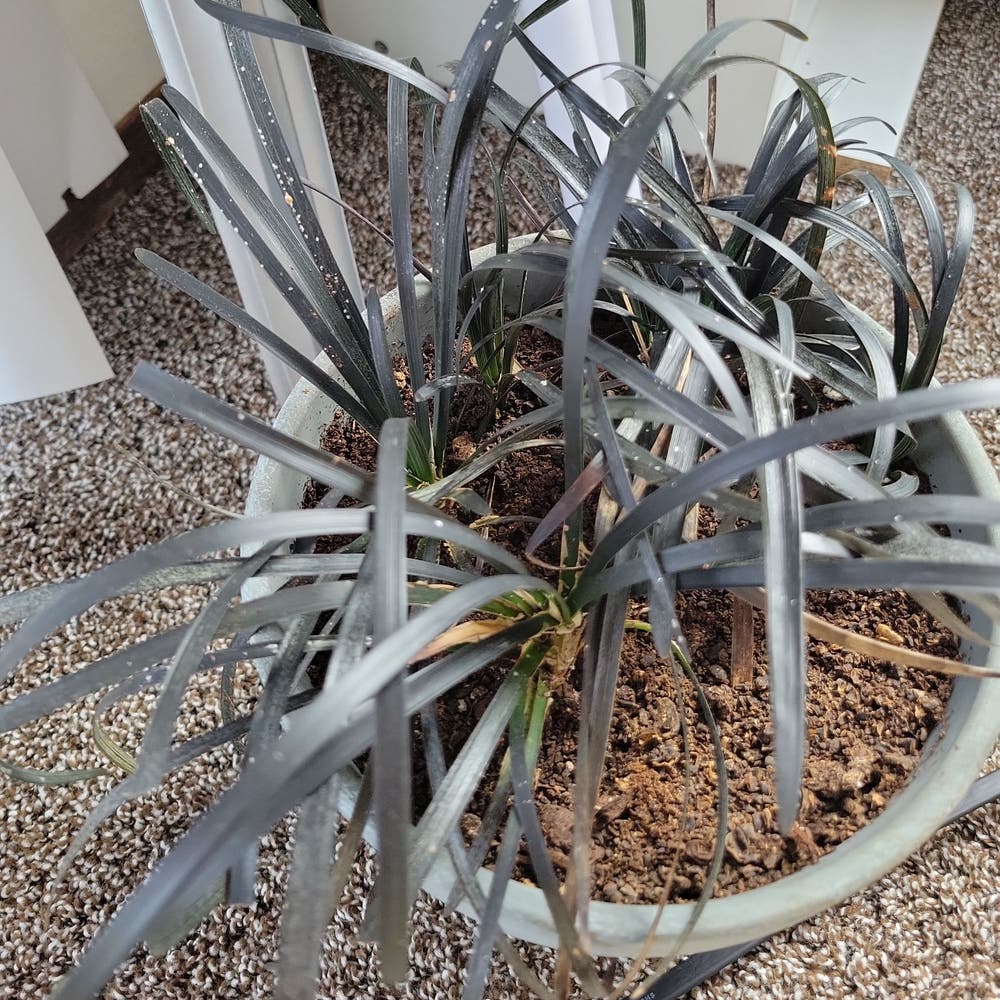
Ultimate Guide for How to Plant Mondo Grass
Ophiopogon japonicus
By the Greg Editorial Team
Sep 30, 2024•6 min read
This article was created with the help of AI so we can cover more plants for you. May contain errors. See one? Report it here.
- 🌱 Mondo grass is low-maintenance, perfect for busy gardeners seeking easy care.
- 🌍 Thrives in various soils and climates, making it versatile for any garden setup.
- 🌳 Plant in spring or fall for optimal growth; space 12-18 inches apart.
Benefits and Drawbacks of Mondo Grass
🌱 Benefits
Mondo grass is a fantastic choice for gardeners seeking low-maintenance plants. Once established, it requires minimal care, making it perfect for busy lifestyles.
Its adaptability is another major plus. Mondo grass thrives in various soil types and conditions, ensuring it can fit into almost any garden setup.
Drought resistance is a standout feature. Once established, it can withstand dry spells, making it suitable for diverse climates.
Finally, the aesthetic appeal of Mondo grass cannot be overlooked. It serves as an attractive ground cover or border plant, enhancing the beauty of your landscape.
⚠️ Drawbacks
However, Mondo grass does have some drawbacks. Its slow growth rate can test the patience of even the most dedicated gardeners.
Another consideration is its limited flowering. The small, inconspicuous flowers may not appeal to everyone, especially those looking for vibrant blooms.
Lastly, Mondo grass can spread and potentially overcrowd your garden. Regular division is necessary to keep it in check and maintain its health.
In summary, while Mondo grass offers numerous benefits, it's essential to weigh these against its drawbacks. Understanding both sides will help you make an informed decision about incorporating this plant into your garden.
Planting New Mondo Grass
🌱 Optimal Timing for Planting
Timing is crucial when planting Mondo grass. The best seasons are spring or early fall, as temperatures are moderate and conducive to growth.
Avoid planting during extreme heat or frost, as these conditions can stress the plants and hinder establishment.
🏺 Selecting the Right Soil Mix
Mondo grass thrives in well-draining, loamy soil. Aim for a soil pH that is slightly acidic to neutral, ideally between 6.0 and 7.0.
Consider adding organic matter or compost to enhance soil fertility, ensuring your plants have the nutrients they need to flourish.
🪴 Container Options
Container gardening is a fantastic option for Mondo grass. Use pots or raised beds, ensuring the pot size is at least 12 inches in diameter for adequate root space.
Always check that your containers have drainage holes to prevent waterlogging, which can lead to root rot.
📏 Proper Depth and Spacing for Planting
When planting, dig holes deep enough to accommodate the root systems without crowding. Space the plants 12-18 inches apart to promote optimal growth and airflow.
If you're using Mondo grass as ground cover, you can plant them closer together for quicker coverage.
💧 Tips for Maintaining Ideal Growing Conditions
Keep the soil consistently moist but not soggy during the establishment phase. This balance is key to helping your Mondo grass settle in.
Mondo grass prefers shaded to partially shaded areas, so avoid full sun exposure. A light application of balanced fertilizer during the growing season can also boost growth.
🌤️ Hardening Off Before Outdoor Planting
Before planting outdoors, it's essential to acclimatize your Mondo grass. This process helps the plants adjust to outdoor conditions over 7-10 days.
Start by exposing them to outdoor conditions for a few hours each day, gradually increasing the time to ensure a smooth transition.
With these steps, you'll set your Mondo grass up for success, paving the way for a lush, green landscape. Next, let's explore how to transplant established Mondo grass effectively.
Transplanting Established Mondo Grass
🌱 Optimal Timing for Transplanting
Transplanting Mondo grass is best done in spring or early fall. These seasons provide moderate temperatures, reducing stress on the plants.
🛠️ Step-by-Step Instructions for Transplanting
Removing the Plant from Its Current Location
- Water the plant thoroughly a day before transplanting to hydrate the roots.
- Carefully dig around the root system, ensuring you keep as much soil as possible.
- Gently lift the plant to avoid damaging the roots during the process.
Preparing the New Planting Site
- Clear the area of weeds and debris to create a clean workspace.
- Amend the soil if necessary, ensuring it has good drainage for optimal growth.
- Dig a hole that is twice the width of the root ball to accommodate the roots comfortably.
Ensuring Proper Placement and Spacing
- Position the plant at the same depth it was previously growing to maintain stability.
- Space the plants 12-18 inches apart, depending on your desired coverage.
- Backfill the hole with soil and gently firm it around the roots to eliminate air pockets.
💧 Tips for Watering and Mulching
Keep the soil moist for the first few weeks after transplanting to help the plants establish. Applying a layer of organic mulch can retain moisture and suppress weeds effectively.
🏗️ Providing Support for Newly Transplanted Grass
Mondo grass generally requires low support, but keep an eye out for any leaning or instability. If needed, use stakes for taller varieties or in windy areas to ensure they remain upright.
Transplanting Mondo grass can be a rewarding process, allowing you to reshape your garden. With the right timing and care, your grass will thrive in its new home. Next, let’s explore how to troubleshoot common issues that may arise during the establishment phase.
Troubleshooting Common Issues
🥴 Understanding Transplant Shock
Transplant shock can be a frustrating hurdle for gardeners. Symptoms include wilting, yellowing leaves, and stunted growth, all signs that the plant is struggling to adapt.
The primary cause of transplant shock is the disruption of root systems during the move. This stress can hinder the plant's ability to absorb water and nutrients effectively.
🚨 Addressing Establishment Problems
If your Mondo grass is showing signs of poor establishment, such as slow growth or browning edges on leaves, it’s time to take action. Consistent watering is crucial during this phase, as is checking for pests or diseases that may be affecting your plant.
Regularly monitor your grass to ensure it’s getting the care it needs. A little attention can go a long way in helping it thrive.
🛠️ Solutions for Common Issues
Overcrowding can become a problem if Mondo grass is left unchecked. To maintain plant health, divide them every 2-3 years, giving each plant room to grow.
Keep an eye out for pests like aphids, which can wreak havoc on your grass. If you spot them, consider using organic insecticides to keep your plants safe.
Disease can also be a concern, particularly if air circulation is poor or if you’re overwatering. Ensure your plants have enough space and avoid soggy soil to prevent fungal issues.
By staying vigilant and proactive, you can tackle these common challenges and enjoy a lush, healthy Mondo grass garden. Next, let’s explore how to effectively transplant established Mondo grass for optimal results.
⚠️ Safety First
This content is for general information and may contain errors, omissions, or outdated details. It is not medical, veterinary advice, or an endorsement of therapeutic claims.
Always consult a qualified healthcare professional before using any plant as food, medicine, or supplement.
Never eat any plant (or feed one to pets) without confirming its identity with at least two trusted sources.
If you suspect poisoning, call Poison Control (800) 222-1222, the Pet Poison Helpline (800) 213-6680, or your local emergency service immediately.
Spotted an error? Please report it here.
Elevate your garden with low-maintenance Mondo grass 🌱 and let Greg guide you with tailored care reminders for thriving, lush growth!