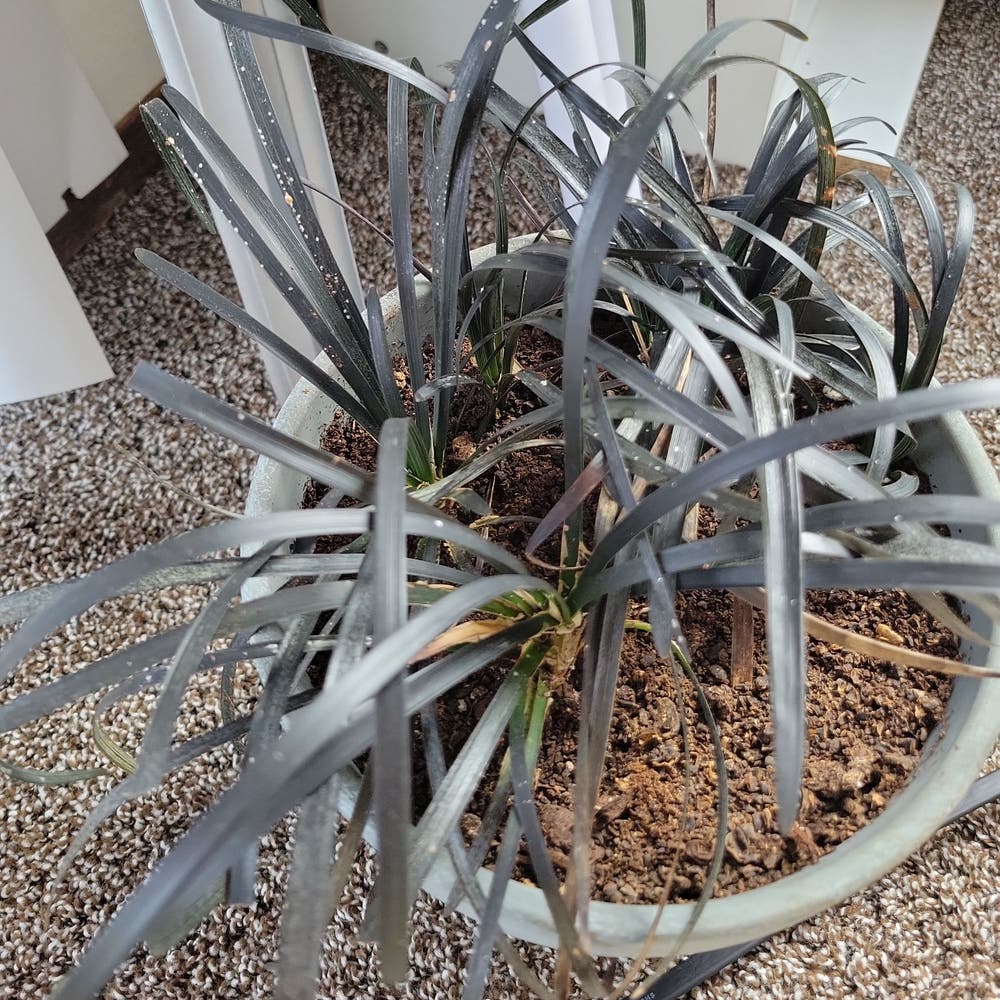
🌸 9 Tips for Fixing Flower Problems in Mondo Grass
Ophiopogon japonicus
By the Greg Editorial Team
Sep 30, 2024•3 min read
This article was created with the help of AI so we can cover more plants for you. May contain errors. See one? Report it here.
- 🌞 Bright, indirect sunlight is essential for Mondo Grass to bloom effectively.
- 🌱 Nutrient-rich soil and balanced fertilizers boost flower production significantly.
- 💧 Proper watering and drainage prevent root suffocation and flower drop.
Failure to Bloom
🌞 Causes
Insufficient Light
Mondo Grass thrives in bright, indirect sunlight. If your plants aren't getting enough light, they may struggle to produce blooms.
Poor Soil Quality
Compacted or nutrient-deficient soil can severely limit flower production. Healthy soil is the foundation for vibrant blooms.
Lack of Nutrients
Essential nutrients like nitrogen, phosphorus, and potassium are crucial for flower development. Without them, your Mondo Grass may fail to bloom.
💡 Solutions
Adjusting Light Exposure
To encourage blooming, consider moving your plants to a sunnier spot. If natural light is limited, supplemental lighting can also help.
Soil Amendments
Improving soil quality is key. Incorporate organic matter or compost to enhance nutrient availability and soil structure.
Fertilization
Using a balanced fertilizer during the bloom cycle can provide the necessary nutrients. This simple step can make a significant difference in flower production.
By addressing these causes and implementing these solutions, you can help your Mondo Grass flourish and enjoy a beautiful display of blooms. Next, let’s explore the issue of premature flower drop and how to tackle it effectively.
Premature Flower Drop
🌡️ Causes
Environmental Stress
Extreme temperatures or sudden weather changes can shock your Mondo Grass, leading to flower drop. Keeping an eye on the forecast can help you prepare for these fluctuations.
Overwatering
Too much moisture can suffocate roots and cause stress, resulting in bud drop. It's crucial to find the right balance in your watering routine.
Pest Infestations
Pests can sap the strength of your plants, making them more susceptible to dropping flowers. Regular inspections can help catch these issues early.
🛠️ Solutions
Proper Watering Techniques
Water your Mondo Grass only when the top inch of soil feels dry. Ensure good drainage to prevent water from pooling around the roots.
Pest Control Methods
Make it a habit to check for pests regularly. If you spot any, use treatments like insecticidal soap to keep your plants healthy and thriving.
By addressing these causes and implementing effective solutions, you can help your Mondo Grass flourish and enjoy its beautiful blooms. Next, let’s explore how to tackle abnormal flower development for even healthier plants.
Abnormal Flower Development
🌱 Causes
Nutritional Imbalances
Nutritional imbalances can lead to malformed flowers in Mondo Grass. If your plants lack key nutrients, you may notice stunted growth or unusual flower shapes.
Improper Pruning
Incorrect pruning techniques can disrupt the bloom cycle. Pruning at the wrong time or in the wrong manner can hinder flower development.
Disease
Fungal or bacterial infections can severely affect flower quality. These diseases can manifest as discoloration or wilting, impacting the overall health of your plants.
💡 Solutions
Fertilization Strategies
To correct nutritional imbalances, use a nutrient-rich fertilizer. This will help replenish essential nutrients and promote healthy flower development.
Correct Pruning Practices
Prune at the right time and in the right way to encourage robust growth. Make clean cuts and remove dead or damaged foliage to support blooming.
Disease Management
Identify and treat diseases promptly to prevent further damage. Regularly inspect your plants and apply appropriate treatments to keep them healthy.
By addressing these issues, you can ensure your Mondo Grass thrives and produces beautiful flowers. Next, let’s explore how to tackle premature flower drop.
⚠️ Safety First
This content is for general information and may contain errors, omissions, or outdated details. It is not medical, veterinary advice, or an endorsement of therapeutic claims.
Always consult a qualified healthcare professional before using any plant as food, medicine, or supplement.
Never eat any plant (or feed one to pets) without confirming its identity with at least two trusted sources.
If you suspect poisoning, call Poison Control (800) 222-1222, the Pet Poison Helpline (800) 213-6680, or your local emergency service immediately.
Spotted an error? Please report it here.
Transform your Mondo Grass into a blooming masterpiece 🌼 with Greg's tailored care tips and reminders that ensure your plants get the right nutrients and attention they need to thrive!