🐛 What To Do About Bugs on My Mondo Grass?
Ophiopogon japonicus
By the Greg Editorial Team
Jun 18, 2024•5 min read
This article was created with the help of AI so we can cover more plants for you. May contain errors. See one? Report it here.
- 🕸️ Identify spider mites by webbing and leaf spots; control with natural predators.
- 🐌 Combat scale, gnats, mealybugs with targeted treatments like neem oil and alcohol swabs.
- 💧🐜 Prevent pests with dry soil, regular inspections, and beneficial insects.
Spotting and Squashing Spider Mites
🕷️ Identifying the Culprits
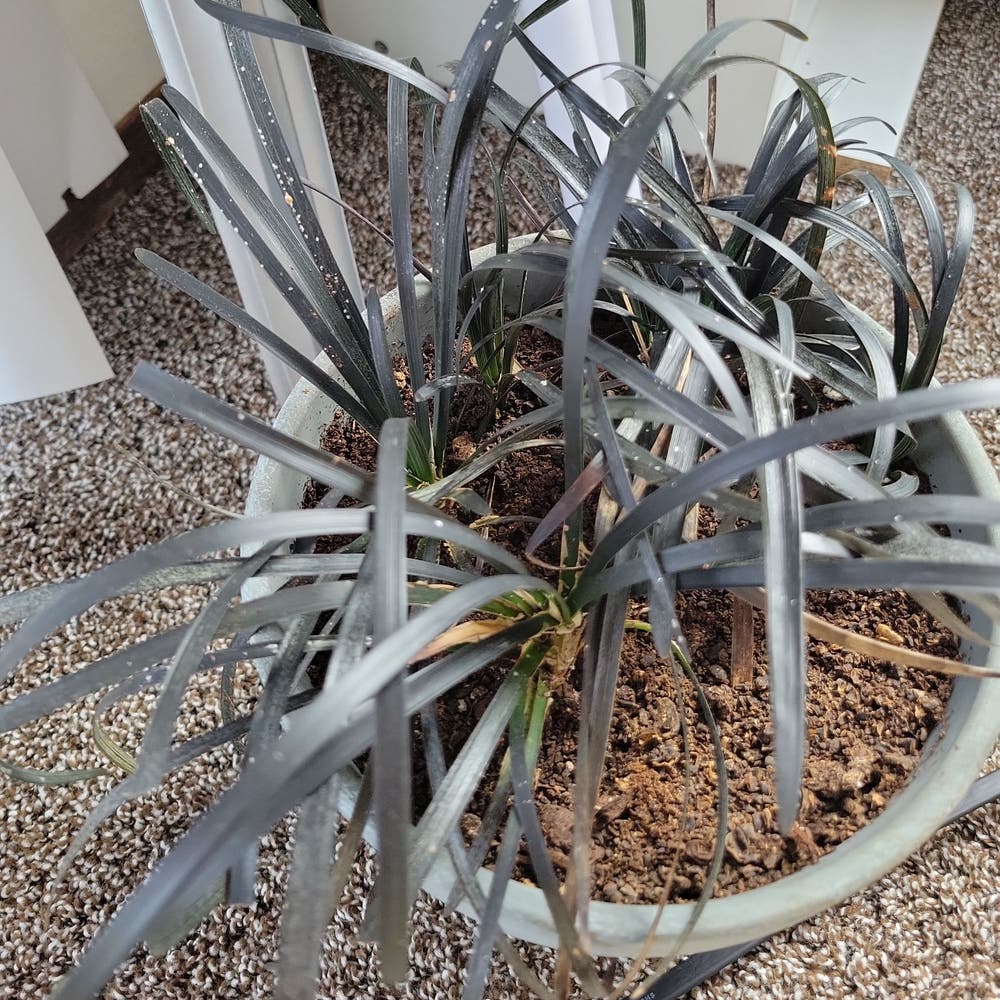
Spider mites are tiny but their damage is not. Look for webbing and speckled yellow or white spots on leaves, which indicate these pests are feasting on your Mondo Grass. A magnifying glass might be needed to see the mites themselves, but their webby homes are visible to the naked eye.
🛡️ Immediate Remedies
Natural predators are your allies in the fight against spider mites. Introducing ladybugs or predatory mites can help keep the population down. For a direct approach, organic sprays like neem oil can be effective. Remember to test on a small area first to avoid harming your plant.
🌿 Keeping Them at Bay
Regularly misting your Mondo Grass increases humidity, creating an environment spider mites despise. Wipe down leaves to disrupt their habitat and consider using a plant-based miticide as a preventative measure. Quarantine new plants to ensure they're not harboring these unwanted guests.

Scale: Sticky Foes on Stems and Leaves
🐞 Spotting Scale Insects
Scale insects are masters of disguise, often blending into your Mondo Grass as innocuous bumps. These pests suck the sap, weakening the plant and potentially causing yellow leaves or sooty mold from their sticky honeydew. Vigilance is key; inspect regularly for these telltale signs.
🛡️ Natural and Chemical Knockouts
When it comes to eviction, options range from scraping off scales with a fingernail to deploying neem or horticultural oil. Insecticidal soap or systemic insecticides can also be effective, especially for extensive infestations. Apply treatments carefully to avoid harming the plant.
💡 Prevention is Key
Prevent scale by quarantining new plants and maintaining cleanliness. Regularly remove dead or infested leaves and keep an eye out for honeydew or sooty mold. Introducing natural predators like ladybugs can bolster your plant's defenses. Remember, a healthy Mondo Grass is less inviting to pests.

Fungus Gnats: More Than Just Annoying Flies
🦟 Catching Fungus Gnats in the Act
Fungus gnats are notorious for their love of moist soil and can be seen doing their frenzied dance around plants. They're tiny, resembling fruit flies, and a swarm of them is a red flag for overwatering.
🛑 Nipping Gnats in the Bud
Yellow sticky traps are your first line of defense, capturing adult gnats in their tracks. Letting the soil surface dry out between waterings is crucial, as gnat larvae despise dryness. For a more aggressive approach, introduce beneficial nematodes or treat the soil with a hydrogen peroxide mix to target the larvae.
🌵 Dry Soil, Happy Plant
Overwatering is a gnat's paradise. Ensure pots have drainage holes and empty saucers to discourage soggy conditions. By watering wisely, you create an inhospitable environment for gnats, keeping your Mondo Grass gnat-free.

Mealybugs: The White, Woolly Worry
🐛 Spotting the White Puff
Identifying a mealybug infestation on your Mondo Grass is straightforward: look for the white, cottony masses that scream "unwelcome visitor." These pests love to hide in nooks, especially under leaves and near the base of the plant. If you notice a sticky residue or a trail of ants heading towards your Mondo Grass, it's time to spring into action.
🚫 Eradicating Mealybugs
To tackle these fluffy fiends, alcohol swabs are your best friend. They allow for precise targeting of these pests. For a more widespread issue, consider using insecticidal soap or neem oil. These solutions can reach the crevices where mealybugs might be hiding. Remember, mealybugs can also take refuge in the soil, so don't overlook treating the root area as well.
🛡️ Preventing Mealybug Mischief
Prevention is all about vigilance and cleanliness. Regularly inspect your Mondo Grass for any signs of mealybugs and isolate new plants to prevent the spread. Keep the area around your plant free of debris, and maintain good airflow to discourage mealybugs from settling in. With these proactive steps, you can keep your Mondo Grass mealybug-free.
Other Uninvited Guests: Aphids, Thrips, and Snails
🕵️ Quick ID Guide
Aphids are tiny green or black bugs that form clusters, particularly on new growth. Thrips leave behind silvery streaks and black specks on leaves. Snails, meanwhile, are hard to miss with their tell-tale trails and the damage they inflict on foliage.
🎯 Targeted Tactics
Aphids
Blast these clingy pests with a strong water jet or dab them with a rubbing alcohol-soaked swab. They're not fans of either.
Thrips
Neem oil or insecticidal soap sprays need to be your go-to solutions for these stealthy invaders. Apply consistently for best results.
Snails
Manual removal followed by a soapy water dunk is a tried-and-true method. Alternatively, iron phosphate sprays can act as a snail deterrent.
🛡️ Proactive Protection
Regular inspections and isolating new plants are your first line of defense. Keep the area around your Mondo Grass clean to discourage dead leaves from becoming a buffet for pests. Encourage beneficial insects like ladybugs and lacewings; they're nature's pest control agents. And remember, a dry environment is less inviting, so water your Mondo Grass wisely.
⚠️ Safety First
This content is for general information and may contain errors, omissions, or outdated details. It is not medical, veterinary advice, or an endorsement of therapeutic claims.
Always consult a qualified healthcare professional before using any plant as food, medicine, or supplement.
Never eat any plant (or feed one to pets) without confirming its identity with at least two trusted sources.
If you suspect poisoning, call Poison Control (800) 222-1222, the Pet Poison Helpline (800) 213-6680, or your local emergency service immediately.
Spotted an error? Please report it here.
Defend your Mondo Grass against bugs by staying vigilant 🛡️ and using Greg's community advice and tailored watering plans to prevent pest-friendly conditions.