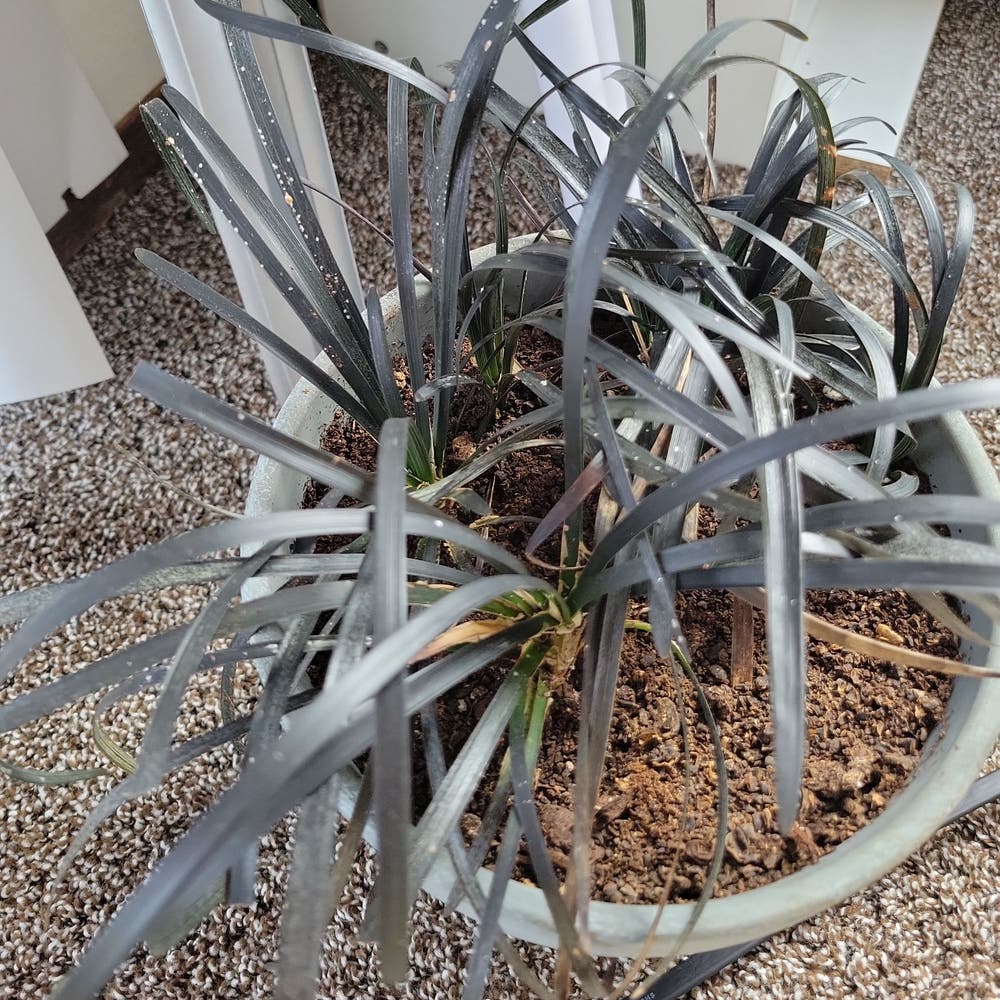
How Should Mondo Grass Be Cut Back?
Ophiopogon japonicus
By the Greg Editorial Team
Jun 18, 2024•4 min read
This article was created with the help of AI so we can cover more plants for you. May contain errors. See one? Report it here.
- Spring/early summer best for pruning Mondo Grass.
- Use sharp shears; maintain tools for precision and plant health.
- Thin out and trim to encourage growth and prevent disease.
Best Season for Snipping
🌱 When to Wield the Shears
Spring and early summer are your prime times for pruning Mondo Grass. This is when the plant hits its growth spurt, so it's ready to come back strong after a trim. Think of it as setting the stage for a vigorous performance.
🌦 Weather and Pruning
Dry days are your best bet for pruning. Wet weather can turn fresh cuts into breeding grounds for disease, so if rain's on the horizon, maybe it's time for a Netflix marathon instead. Extreme heat or cold? Hold off—the plant's already working overtime to cope.

Pruning Tools and Their Care
🌿 Choosing Your Pruning Pals
Selecting the right tools for pruning Mondo Grass is like picking a favorite coffee mug; it needs to fit just right. You'll want a pair of sharp pruning shears or scissors—think precision over power. For those tight spots, micro-tip snips or bonsai shears are your go-to, offering control without turning your plant into a topiary tragedy.
🛠 Keeping Tools in Tip-Top Shape
Tool maintenance is the unsung hero of the pruning world. Keep your blades sharp with a sharpening stone; a keen edge makes for clean, effortless cuts. After each use, give your tools a quick dip in alcohol to sterilize them—think of it as hand sanitizer for your shears, keeping diseases at bay. And don't forget to dry them off; rust is the arch-nemesis of garden tools. Regularly applying a lubricant will keep the action smooth and the frustration low. Remember, well-maintained tools not only make the job easier but also prevent your Mondo Grass from looking like it got in a fight with a lawnmower.

The Art of Pruning Mondo Grass
✂️ Trimming Techniques
Pruning Mondo Grass isn't rocket science, but it does require a methodical approach. In early spring, before new growth starts, grab your sharp shears. Start by cutting back the old foliage to about 3 to 4 inches from the ground. This encourages fresh, vibrant growth and gives your garden that well-kept look.
🍂 Dealing with the Dead and Damaged
Spotting dead or damaged leaves is straightforward—they're the ugly ones. Snip them at the base, but be careful not to damage the healthy parts. It's like giving your Mondo Grass a haircut; you're aiming for a clean, even look without going overboard.
🌿 Thinning for Thriving
If your Mondo Grass is looking more like a dense jungle than an elegant groundcover, it's time to thin the herd. Divide the clumps, leaving space for each plant to breathe. This isn't just about aesthetics; it prevents fungal diseases and keeps your Mondo Grass healthy. Remember, a little room goes a long way for these perenn

Special Pruning Considerations
🌸 Flowering Stems: To Snip or Not to Snip?
When it comes to flowering stems on Mondo Grass, you're faced with a choice. These stems can add a unique texture to your garden, but if you're after a uniform look, you might want to remove them. If the stems are brown and crispy, they're definitely past their prime and should be cut to give the plant a cleaner appearance. However, if they're still green, consider leaving them be; they might just surprise you with a few more blooms.
🎨 Variegated Varieties Need Varying Care
Variegated Mondo Grass requires a bit more finesse. The key here is balance. You want to maintain a good mix of variegated and green leaves to prevent the plant from reverting to a solid green state. It's like playing genetic roulette with your garden shears—cut too much of one or the other, and you could lose those coveted streaks of color. When pruning, aim to enhance the plant's natural variegation without tipping the scales too far in any direction.
⚠️ Safety First
This content is for general information and may contain errors, omissions, or outdated details. It is not medical, veterinary advice, or an endorsement of therapeutic claims.
Always consult a qualified healthcare professional before using any plant as food, medicine, or supplement.
Never eat any plant (or feed one to pets) without confirming its identity with at least two trusted sources.
If you suspect poisoning, call Poison Control (800) 222-1222, the Pet Poison Helpline (800) 213-6680, or your local emergency service immediately.
Spotted an error? Please report it here.
Trim your Mondo Grass to perfection in spring and early summer with Greg's personalized 📅 reminders, keeping your garden vigorous and disease-free.