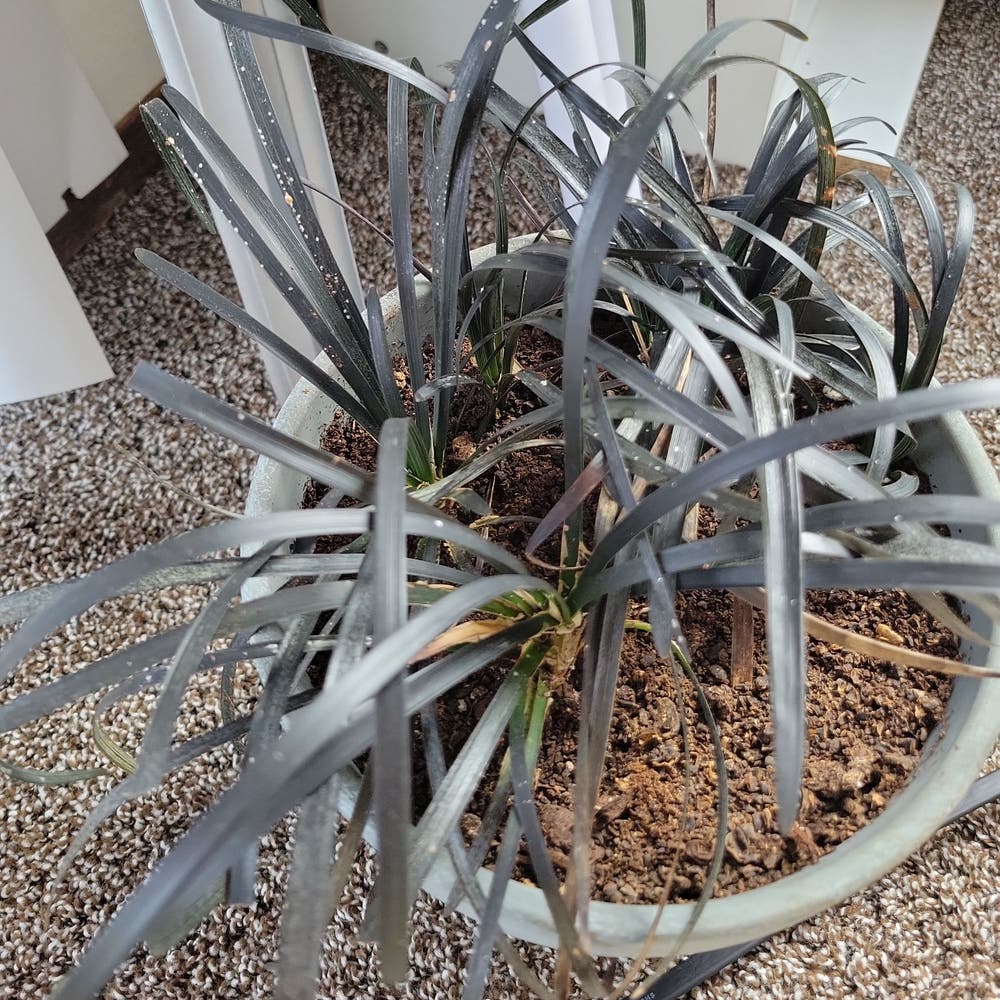
What Temperature Should My Mondo Grass Be Kept At?
Ophiopogon japonicus
By the Greg Editorial Team
Jun 18, 2024•3 min read
This article was created with the help of AI so we can cover more plants for you. May contain errors. See one? Report it here.
- Keep above 50°F (10°C) to prevent cold damage to Mondo Grass.
- Ideal range: 60°F-85°F (15°C-29°C) for best growth and flowering.
- Monitor humidity and airflow to maintain Mondo Grass health.
When Mondo Grass Gets Chilly: Understanding the Lower Temperature Limit
❄️ The Chilling Truth: How Cold is Too Cold?
Mondo Grass can play it cool, but frost-tolerant doesn't mean invincible to ice. Minimum temperatures for this grass are generally around 50°F (10°C). Below that, you might notice your Mondo Grass throwing a fit with signs like brown patches and limp leaves, a definite SOS.
🛌 Protecting Your Mondo Grass from the Cold
To keep your Mondo Grass snug as a bug, mulching is your best friend. It's like a warm blanket for your plant's roots. If Jack Frost is more persistent, consider moving your green buddy to a spot that's less of a winter wonderland. Relocation may be key when the thermometer dips too low for comfort.

Turning Up the Heat: The Upper Temperature Threshold
🔥 Feeling the Burn: Recognizing Heat Stress in Mondo Grass
Mondo Grass can suffer when temperatures soar. Look for wilting or brown-tipped leaves as a cry for help. Prolonged heat can lead to a weakened state, making the plant more susceptible to pests and less likely to produce flowers.
❄️ Keeping It Cool: Strategies to Prevent Overheating
Shade is Mondo Grass's best friend against the scorch. Consider using protective coverings or relocating to a spot with filtered sunlight. Regular watering is crucial; it's like giving your grass a refreshing drink on a sweltering day. Keep the soil moist but not soggy to avoid drowning its roots in the heat.

The Goldilocks Zone: Finding the Temperature Sweet Spot
♨️ Just Right: The Ideal Temperature Range for Mondo Grass
Mondo Grass thrives in a sweet spot of 60°F to 85°F (15°C to 29°C). This range is crucial for optimal photosynthesis and overall plant vigor. Consistent temperatures within this bracket encourage healthy growth and robust flowering, laying the foundation for a lush, green garden.
🌡️ Monitoring and Adjusting: Tools and Techniques
Digital thermometers are your go-to gadgets for keeping tabs on your Mondo Grass's climate. They provide real-time updates, ensuring you're always in the loop. To maintain the ideal temperature range, consider smart plant placement—shielding your Mondo Grass from harsh sun or insulating it against the cold. Grouping plants can create a microclimate, buffering against temperature extremes. Remember, it's not just about the heat; humidity matters too. Use a pebble tray or humidifier to keep the air around your Mondo Grass just moist enough.

A Quick Word on Humidity: The Temperature's Sidekick
🌡️ Balancing Act: Temperature and Humidity Interplay
Humidity is Mondo Grass's hydration buddy, crucial for that just-right temperature feel. Too dry, and the leaves might crisp up; too damp, and you're inviting mold to the party. It's about finding that humidity sweet spot that complements the temperature, keeping your Mondo Grass from a meltdown or a freeze-up.
Tips for Maintaining Moderate Humidity
- Monitor humidity with a hygrometer; it's not a guessing game.
- Mist your Mondo Grass in dry conditions to up the moisture without soaking the soil.
- Water wisely; focus on the soil to avoid creating a steam room for your plant.
- Airflow is your friend; it keeps things from getting stuffy and helps prevent disease.
- Adjust your care routine as needed, because the humidity tango changes with the seasons.
⚠️ Safety First
This content is for general information and may contain errors, omissions, or outdated details. It is not medical, veterinary advice, or an endorsement of therapeutic claims.
Always consult a qualified healthcare professional before using any plant as food, medicine, or supplement.
Never eat any plant (or feed one to pets) without confirming its identity with at least two trusted sources.
If you suspect poisoning, call Poison Control (800) 222-1222, the Pet Poison Helpline (800) 213-6680, or your local emergency service immediately.
Spotted an error? Please report it here.
Ensure your Mondo Grass is always at its ideal temperature 🌡 with Greg's custom care plan that alerts you when it's time to adjust your plant's environment.