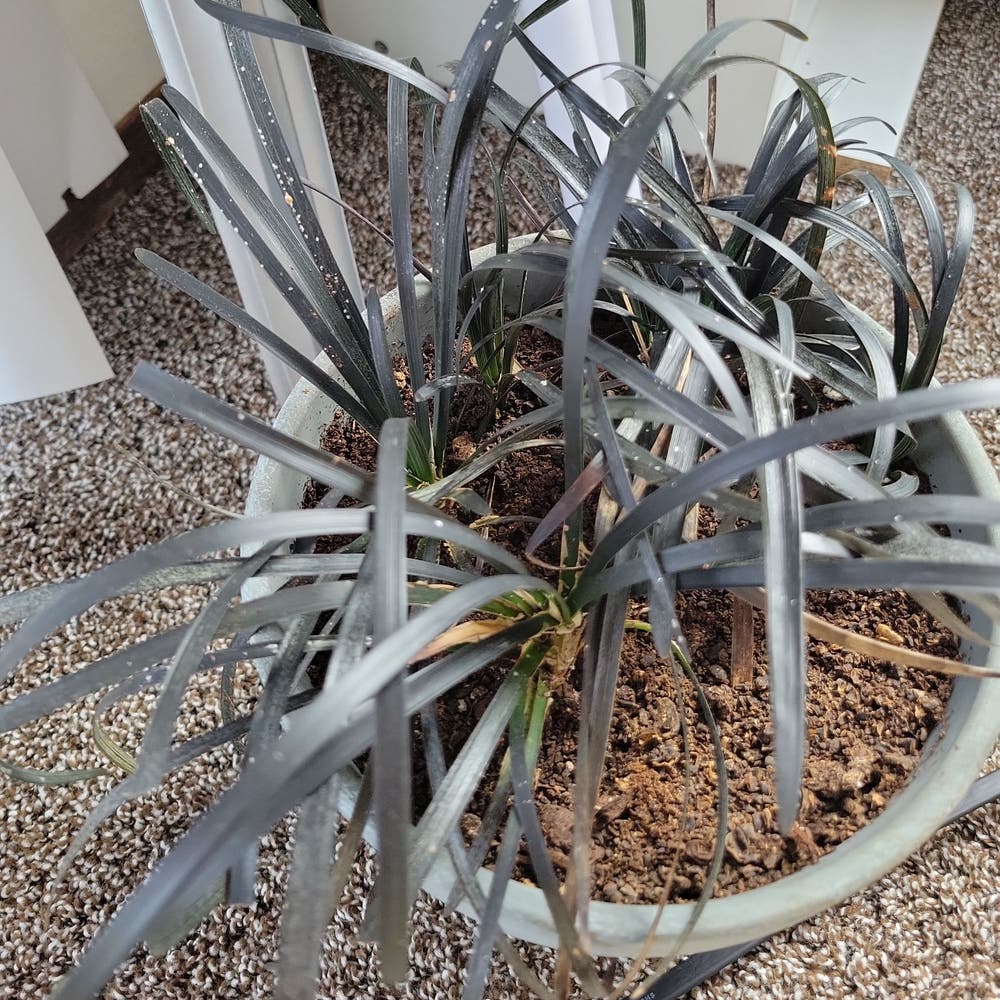
Common Mondo Grass Problems
Ophiopogon japonicus
By the Greg Editorial Team
Jun 18, 2024•5 min read
This article was created with the help of AI so we can cover more plants for you. May contain errors. See one? Report it here.
- 🚱 Over-watering causes root rot, under-watering leads to crispy leaves.
- 🌤️ Bright, indirect light and stable temperatures are ideal for Mondo Grass.
- 🐜 Inspect for pests and provide good air circulation to prevent mold.
Water Woes: Too Much or Too Little
💦 Over-watering
Soggy symptoms and root rot revelations
Over-watering can turn your Mondo Grass into a swamp resident. Yellow leaves and a mushy base are distress signals. Root rot might be lurking below, a result of excessive love in liquid form.
💧 Drying out: Steps to salvation
Cut back on watering immediately. Let the soil go from swamp to semi-arid. If the soil is clumping like wet clay, switch to a mix that allows better drainage. Prune any zombie-like roots to save the rest of the plant.
🏜️ Under-watering
Signs of thirst: Crispy tips and wilting woes
Under-watered Mondo Grass is a sad sight, with leaves as crispy as autumn leaves and a droop that rivals a Monday morning slump. Brown leaf tips are the plant's silent scream for hydration.
💦 Quenching the thirst: Hydration help for your Mondo Grass
Time to up the watering ante. Consistent moisture is key—aim for about 1 inch of water per week. Let the top inch of soil dry out before the next watering session to avoid overdoing it.

Light and Temperature Tangles
🌞 Battling with Light
Mondo Grass, or Ophiopogon, is no sun worshipper. Too much light and its leaves curl up, too little and they stretch, seeking more. The ideal is a bright, indirect light—think of it as the plant's comfort zone. If your space feels more like a dungeon, a grow light can help, but keep it at a friendly distance to prevent leaf burn.
Let there be (the right amount of) light: Finding the sweet spot
To find that sweet spot, observe your Mondo Grass's color and growth. If it's looking faded or stretching out, it's time to adjust its sunglasses—move it to a spot with filtered sunlight or dappled shade. Remember, light is like love for plants—not too smothering, not too scarce.
🌡️ Temperature Turmoil
Mondo Grass isn't a fan of temperature drama. Inconsistency can lead to a plant's equivalent of a cold sweat. Aim for a steady climate, above 21 degrees Celsius, and away from the fickleness of drafts, radiators, and air conditioners. High humidity is a plus, so a bathroom setting or a misting can be as refreshing as a spring breeze.
Keeping it cool (or warm): Stabilizing your Mondo Grass's climate
To stabilize your Mondo Grass's climate, think of creating a temperate haven. Avoid placing it near heat sources or cold drafts. If your plant could talk, it would likely ask for a consistent, room-temperature environment with a slight breeze—like a steady spring day, every day.

Pests and Pathogens: Uninvited Guests
🐌 Pests
Your Mondo Grass may play host to slugs and snails, the unapologetic leaf munchers. They leave behind a clear trail of their feasting—holes in leaves or, worse, entire leaves missing.
Aphids and spider mites are also on the list of freeloaders. These tiny vampires suck the life out of your plants, leaving a sticky mess called honeydew. This goo can lead to sooty mold, which is as unattractive as it sounds.
Evicting these pests starts with a keen eye. Inspect your Mondo Grass regularly for signs of damage or the pests themselves. A strong blast of water can dislodge the smaller bugs. For a more targeted approach, insecticidal soaps or neem oil can be effective. And for those slugs and snails, organic bait can lure them away from your precious greens.
🍄 Mold and Fungus
Mold and mildew are the party crashers of the plant world. They thrive in wet conditions, leaving a fuzzy or powdery residue on your Mondo Grass. It's not just ugly; it can be harmful to the plant's health.
Root rot is another fungal nightmare, often a consequence of overwatering. Yellowing leaves are your first clue that something's amiss below the soil. To combat these issues, ensure your Mondo Grass has good drainage and isn't sitting in soggy soil.
Preventing these fungal fiestas is about maintaining a dry surface. Water your Mondo Grass at the base to avoid wet leaves, and provide plenty of air circulation. If mold or mildew does appear, consider a biological fungicide like Bacillus subtilis to help control and prevent its spread without resorting to harsh chemicals.

Environmental Stress: When Conditions Aren't Just Right
🌞 Leaf Scorching
Sunburnt strands on your Mondo Grass are a red flag for leaf scorch. This happens when your plant gets more light than it can handle. To prevent leaf scorch, water your Mondo Grass during dry spells and provide shade from harsh sunlight. Mulch is your ally here, helping to keep the soil moist and roots cool.
Prune the damaged leaves to redirect energy to healthier growth. This isn't just for looks; it's about plant health. By cutting away the scorched parts, you're giving your Mondo Grass a chance to thrive.
💧 Water and Air Quality
It's all about the balance. Your Mondo Grass craves just the right amount of water—not too much, not too little. Overwatering is as harmful as underwatering. Let the soil dry out a bit between watering sessions.
Good air movement is crucial, too. It's the unsung hero that keeps your plant from overheating. A gentle fan can help, but don't create a windstorm. And remember, roots need oxygen as much as they need water. Ensure your soil is well-aerated to facilitate this.
Light and temperature also play a huge role in your plant's well-being. Too much light can cook your Mondo Grass, while not enough leaves it starving. Aim for that Goldilocks zone of sunlight. And keep an eye on the thermometer—extreme temperatures can make your plant's leaves curl up in protest.
Lastly, watch out for environmental toxins. Pollutants like cigarette smoke are no friends to your Mondo Grass. Keep the air around your plant as clean as you'd want your own lungs to be.
⚠️ Safety First
This content is for general information and may contain errors, omissions, or outdated details. It is not medical, veterinary advice, or an endorsement of therapeutic claims.
Always consult a qualified healthcare professional before using any plant as food, medicine, or supplement.
Never eat any plant (or feed one to pets) without confirming its identity with at least two trusted sources.
If you suspect poisoning, call Poison Control (800) 222-1222, the Pet Poison Helpline (800) 213-6680, or your local emergency service immediately.
Spotted an error? Please report it here.
Avoid the common pitfalls of Mondo Grass care and ensure it's flourishing 🌱 with Greg's custom watering reminders and environmental tips tailored to your home's conditions.