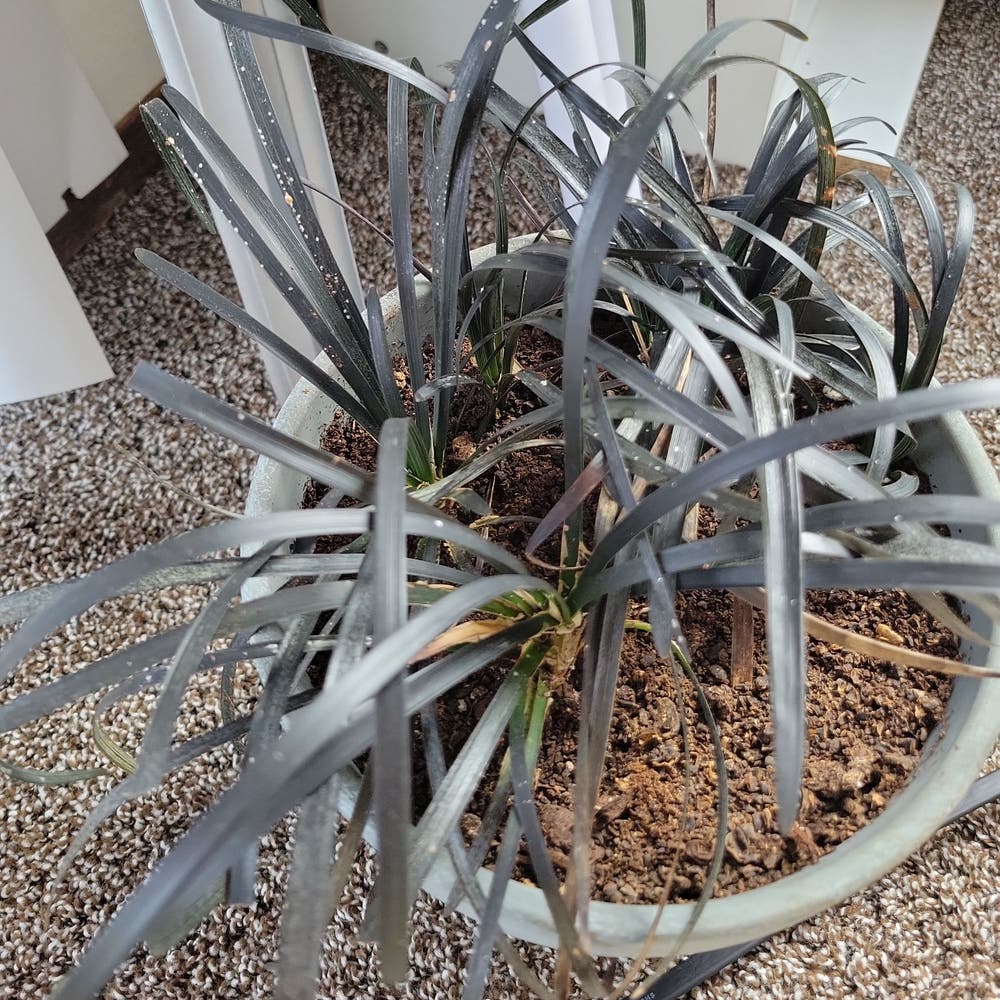
💧 Why Are My Mondo Grass Leaves Mushy?
Ophiopogon japonicus
By the Greg Editorial Team
Jun 18, 2024•4 min read
This article was created with the help of AI so we can cover more plants for you. May contain errors. See one? Report it here.
- Overwatering and root rot often lead to mushy Mondo Grass leaves.
- Treat mushiness by adjusting watering, improving drainage, and addressing fungi.
- Prevent mushiness with consistent watering and ideal soil and light conditions.
Spotting Trouble: Signs of Mushy Leaves
🚩 Visual Red Flags
Discoloration is the plant's cry for help. If your Mondo Grass leaves have turned a melancholic yellow or brown, they're signaling distress. Leaves resembling overcooked spinach are a no-go.
🤔 The Feel Test
A healthy Mondo Grass leaf should have the firmness of a well-kept secret. If it collapses under a gentle squeeze like a deflated balloon, you've got mush on your hands. Remember, squishy is to leaves what soggy is to cereal—unwelcome.

The Usual Suspects: Common Causes of Mushiness
💧 Too Much Love: Overwatering Woes
Overwatering is the silent killer of Mondo Grass, leading to that dreaded mushiness. It's a classic case of too much love; your watering can is not a lifeline but a potential weapon. Soggy soil is the smoking gun, indicating that the roots are swimming when they should be breathing.
🌱 Under the Surface: Root Rot Reckoning
Root rot is a stealthy saboteur, thriving in the damp underworld of your Mondo Grass. Blackened roots and a stench of decay are the grim evidence of its presence. This fungal fiesta kicks off when roots are left to marinate in moisture, and the result is the mushy leaves that have you worried.
🍄 Unwanted Guests: Fungal Foes
Fungal infections are the uninvited guests at the party, turning robust leaves into mushy messes. They revel in the moist conditions created by overzealous watering. Watch for telltale signs like unusual spotting or growths, which are the visual cues of a fungal invasion in progress.

First Aid for Mondo Grass
💧 Cutting Back: Watering Wisely
Mushy leaves scream overwatering. It's time to reassess your relationship with the watering can. Wait until the top inch of soil is dry before you consider a reunion. If the pot feels like it's been hitting the gym, skip the water workout. Moisture meters aren't just gadgets; they're your secret weapon in the war against sogginess.
🌱 Soil SOS: Improving Drainage
Your Mondo Grass craves a well-drained environment. Mix in compost or peat moss to boost soil drainage and prevent waterlogging. Consider raised beds or drainage pipes as a more intensive care option. Spacing is also key; give your plants room to breathe and dry out.
🛡️ Combat Tactics: Treating Fungal Infections
Fungal infections are like uninvited party crashers. Remove infected leaves with precision and apply a fungicide that's been given the green light. Keep an eye out for anthracnose, the most common fungal freeloader, and show it the door with the right treatment. Remember, prevention is better than cure, so keep the soil's moisture level balanced and the air flowing.

Keeping Mondo Grass Happy and Healthy
💧 Watering Wisdom: Finding the Balance
To prevent future mushiness in Mondo Grass, it's essential to nail the watering routine. Water when the top inch of soil is dry, typically once or twice a week. This plant is more forgiving of underwatering than overwatering, so err on the side of caution. During dry spells, aim for the soil to be slightly moist, but never soggy. Remember, consistency is key, but don't let the calendar dictate your watering schedule—let the soil's dryness be your guide.
🌱 Soil and Sunlight: Creating the Ideal Environment
Soil drainage is paramount for Mondo Grass. Enhance it by mixing in organic matter, such as compost or well-rotted manure, to the soil. This will prevent waterlogging, a fast track to mushy leaves. As for sunlight, Mondo Grass thrives in filtered light. In cooler climates, it can handle more sun, but in hotter regions, shade is a must to protect it from scorch. Regularly trim off any dead or broken leaves to maintain a neat appearance and deter disease.
⚠️ Safety First
This content is for general information and may contain errors, omissions, or outdated details. It is not medical, veterinary advice, or an endorsement of therapeutic claims.
Always consult a qualified healthcare professional before using any plant as food, medicine, or supplement.
Never eat any plant (or feed one to pets) without confirming its identity with at least two trusted sources.
If you suspect poisoning, call Poison Control (800) 222-1222, the Pet Poison Helpline (800) 213-6680, or your local emergency service immediately.
Spotted an error? Please report it here.
Keep your Mondo Grass firm and fabulous 🌿 by using Greg's custom watering plans to prevent overwatering and protect against mushy leaves.