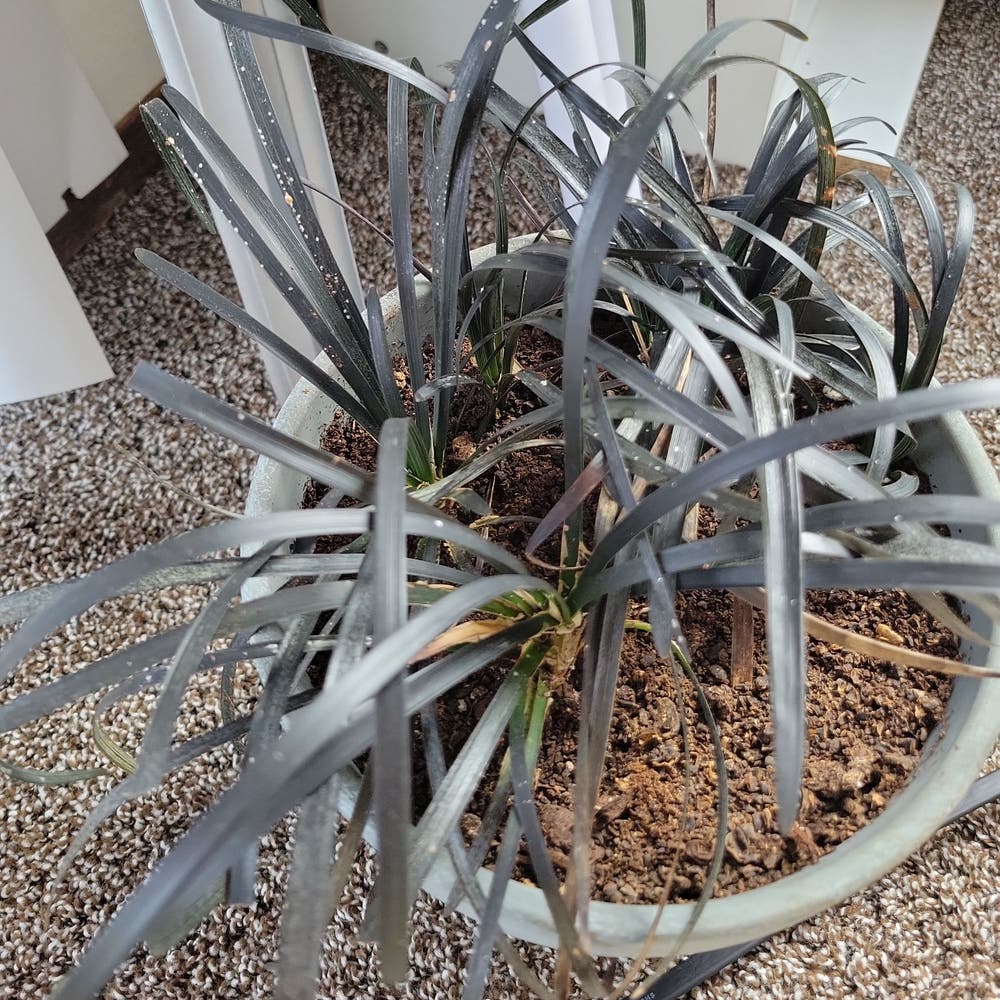
4 Tips for Healthy Mondo Grass Roots 🥕
Ophiopogon japonicus
By the Greg Editorial Team
Sep 30, 2024•5 min read
This article was created with the help of AI so we can cover more plants for you. May contain errors. See one? Report it here.
- 🌱 Mondo grass has fibrous and rhizomatous roots, crucial for growth and resilience.
- 💧 Regular watering and well-draining soil prevent root rot and support healthy roots.
- 🌿 Healthy roots ensure nutrient uptake, vital for Mondo grass vitality and lush aesthetics.
Root System Characteristics
Type of Root System 🌱
Mondo grass features two primary types of roots: fibrous and rhizomatous.
- Fibrous roots are thin, hair-like structures that spread out horizontally, creating a dense network close to the soil surface.
- Rhizomatous roots act as underground stems, allowing the plant to reproduce vegetatively, which is essential for its spread and resilience.
Root Depth and Spread Patterns 📏
The root system of Mondo grass is typically shallow, generally residing within the top 6-12 inches of soil.
This shallow depth allows for extensive lateral growth, maximizing nutrient and moisture absorption across a wide area.
In favorable conditions, Mondo grass roots can rapidly expand, contributing significantly to ground cover and overall plant health.
Understanding these characteristics can help you cultivate a thriving Mondo grass landscape, ensuring it remains lush and vibrant.
As we explore further, let’s dive into how these root systems influence watering and fertilizing practices.
Watering and Fertilizing
How Root System Affects Watering Needs 🌱
Mondo grass has a unique root system that plays a significant role in its watering needs. Regular watering during dry spells is essential, as these roots can effectively retain moisture.
However, it's crucial to avoid waterlogging. Well-draining soil is vital to prevent root rot, which can devastate your plants.
Fertilization Techniques for Healthy Roots 🌿
To keep your Mondo grass thriving, use balanced NPK fertilizers during the growing season. This will provide the necessary nutrients for robust root development.
Timing is key; fertilize in early spring and mid-summer to support root health. Incorporate fertilizers into the topsoil to ensure they reach the root zone effectively.
By following these watering and fertilization practices, you can promote a healthy root system that supports the overall vitality of your Mondo grass. Next, let’s explore the best practices for transplanting and propagating this resilient plant.
Transplanting and Propagation
Best Practices for Transplanting 🌱
Transplanting Mondo Grass is best done in early spring or fall. This timing allows the plant to establish itself before extreme weather conditions set in.
To ensure a successful transplant, follow these steps:
- Prepare the new site: Ensure the soil is well-draining to promote healthy root growth.
- Water the plant thoroughly: This helps reduce stress during removal.
- Dig carefully around the root system: Minimizing damage is crucial for the plant's recovery.
- Replant at the same depth: This maintains the plant's stability and encourages growth.
Importance of Root Health During Propagation 🌿
Healthy roots are essential for successful propagation. When dividing Mondo Grass, use a sharp spade to separate clumps, ensuring each division has robust roots.
Timing is key; early spring or fall is ideal for division. This minimizes stress on the plant and promotes quicker recovery. By focusing on root health during propagation, you set the stage for vibrant growth and resilience.
Transitioning to the next topic, understanding common root-related issues can further enhance your gardening success.
Common Root-Related Issues
🌱 Identifying and Addressing Rootbound Plants
Rootbound plants are those whose roots grow in tight circles, restricting their growth. This condition can lead to stunted growth and poor water absorption, making it crucial to recognize the signs early.
Look for roots visible through drainage holes or a noticeable lack of growth. If you suspect your plant is rootbound, follow these steps to alleviate the issue:
- Remove the plant from its pot.
- Gently loosen the roots and trim any that are circling.
- Replant in a larger pot or directly in the ground with fresh soil.
🦠 Common Diseases and Pests Affecting Roots
Root rot is a significant concern, often caused by overwatering and poor drainage. This disease can quickly compromise the health of your Mondo Grass.
Additionally, pests like nematodes and grubs can wreak havoc on root systems. To keep your plants thriving, regularly inspect the roots and maintain proper watering practices. This proactive approach can help prevent many common issues and ensure robust root health.
Indicators of Root Health
👀 Visual Cues for Healthy vs. Unhealthy Roots
Healthy roots are a sight to behold. They should be firm, with a white or light tan color, indicating vitality and strength.
In contrast, unhealthy roots present a stark warning. Look for dark, mushy, or foul-smelling roots, which are clear signs of rot and distress.
⚠️ Signs of Stress in the Root System
Stress in the root system manifests in several ways. Common symptoms include wilting, yellowing leaves, and poor growth, all of which signal that something is amiss.
Addressing root health promptly is crucial. Ignoring these signs can lead to further decline, jeopardizing the entire plant.
🌱 Role of Roots in Overall Plant Health
Roots serve as the foundation for nutrient and water uptake. They play a vital role in stabilizing the plant and supporting its overall growth.
Maintaining root health is essential for long-term resilience and vitality. A strong root system ensures that your Mondo Grass thrives, providing a lush ground cover for years to come.
As we move forward, let’s explore how to effectively care for these roots through proper watering and fertilizing techniques.
⚠️ Safety First
This content is for general information and may contain errors, omissions, or outdated details. It is not medical, veterinary advice, or an endorsement of therapeutic claims.
Always consult a qualified healthcare professional before using any plant as food, medicine, or supplement.
Never eat any plant (or feed one to pets) without confirming its identity with at least two trusted sources.
If you suspect poisoning, call Poison Control (800) 222-1222, the Pet Poison Helpline (800) 213-6680, or your local emergency service immediately.
Spotted an error? Please report it here.
Nurture your Mondo grass roots for a lush landscape 🌿 with Greg's tailored watering and fertilization reminders that keep your plants thriving!