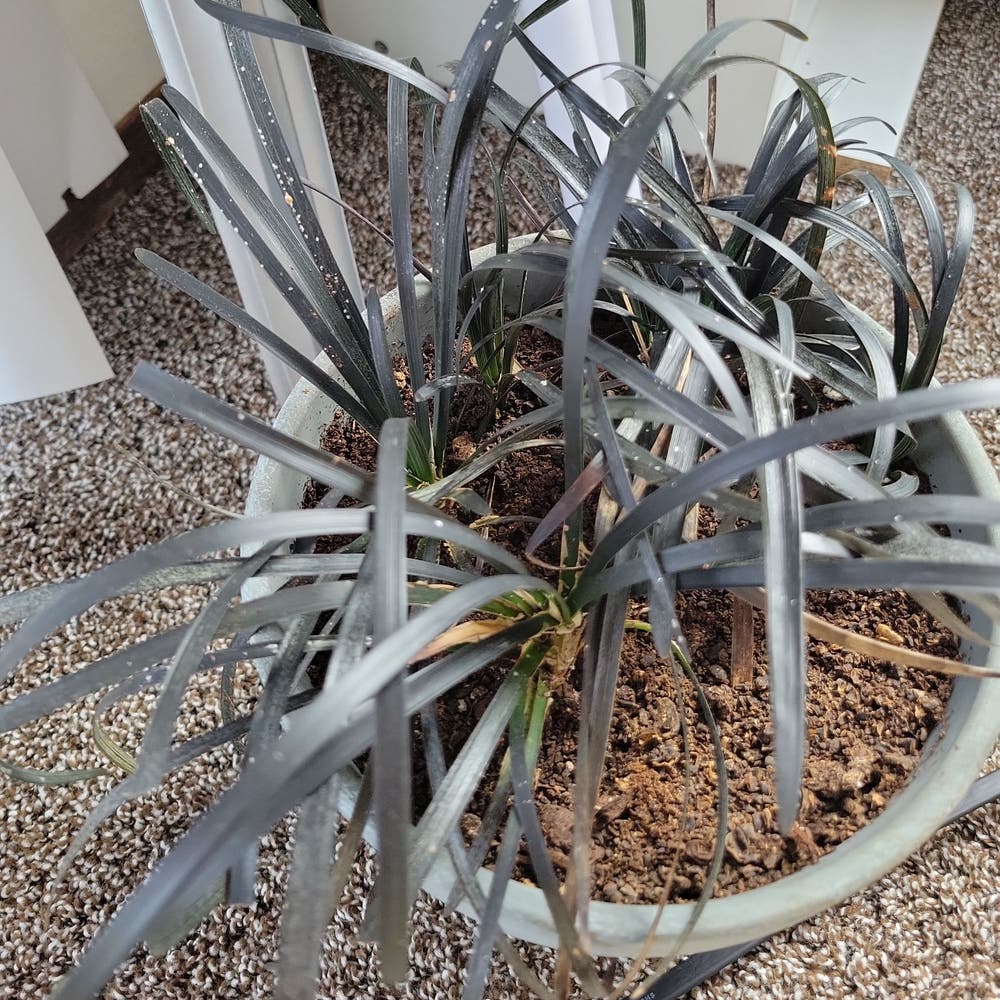
Why Are There Brown Spots on My Mondo Grass?
Ophiopogon japonicus
By the Greg Editorial Team
Jun 18, 2024•4 min read
This article was created with the help of AI so we can cover more plants for you. May contain errors. See one? Report it here.
- Water wisely to prevent uniform brown spots.
- Fungal spots have halos; treat with fungicides.
- Regular check-ups keep Mondo Grass spot-free.
Spotting the Culprits: Common Causes of Brown Spots
💧 Overwatering and Underwatering Woes
Overwatering turns your Mondo Grass into a soggy mess, with spots that feel like a wet sponge. It's like drowning the roots in their own home. Conversely, underwatering leaves the grass high and dry, with crispy brown tips waving a flag of distress.
To adjust, let the soil's top layer dry out before giving your plant another drink. A pot that feels like a kettlebell is a sign you've overdone it. Light as a feather? Time to water.
🍄 Fungal Foes: Leaf Spot and Rust
Fungal infections are the silent assassins of the plant world, leaving behind spots with halos or rings as their signature. These baddies love moisture and poor air circulation—it's their version of a tropical vacation.
To identify, look for raised or spreading spots, and remember: a yellow halo is often a fungal tell. Reducing humidity and increasing airflow are like cutting off their piña coladas—do it, and they'll pack their bags.

Playing Detective: How to Diagnose Brown Spots on Mondo Grass
🔍 Visual Inspection Tips
Look closely at your Mondo Grass for the telltale signs of distress. Start with the leaves, searching for brown spots that may vary in size and shape. Examine both the tops and undersides of the leaves, as some issues like to lurk out of sight. Feel the texture of the spots; are they dry or mushy? This tactile investigation can offer clues about the underlying issue. Remember, the devil's in the details.
Differentiating Between Causes
When it comes to brown spots, not all suspects are created equal. Water stress typically presents as uniform discoloration, while fungal infections might show up as irregular, blotchy patches. If the spots are accompanied by a yellow halo or ring, you might be dealing with a fungal felon. On the other hand, if the spots are more evenly distributed and the soil feels like a wrung-out sponge, you're likely overwatering. It's all about connecting the dots—or in this case, the spots.

Brown Spot ER: Immediate Remedies and Treatment
💧 Adjusting Watering Habits
First, halt the H2O. Let the soil go from damp to dry. This isn't a suggestion; it's a lifeline for your Mondo Grass.
Next, poke around. If the top inch of soil feels like a desert, it's time to water. But do it like you're mixing a delicate cocktail – precisely and with care.
🌱 Soil and Drainage First Aid
Check the pot's bottom. No drainage equals a swamp for roots. Repot with a mix that drains faster than a sink in a spy movie.
Trim the dead stuff. It's like a haircut for your plant – out with the old, in with the new growth.
🍄 Fungicide to the Rescue
Spot a fungal party? Crash it with fungicides. Read the label like it's a top-secret document and follow it to a T.
Rotate your fungicides. Fungi are smart, but you're smarter. Keep them guessing, and they won't stand a chance.
Remember, your Mondo Grass doesn't need a spa day; it needs a comeback.

Keeping Brown Spots at Bay: Prevention Tactics
💧 Watering Wisdom
Consistency is your ally when watering Mondo Grass. Aim for soil that is moist but never soggy. Check the soil's dryness before watering; if it's still damp, hold off on the H2O. During cooler months, reduce the frequency as the plant's thirst declines.
🌱 Soil and Site Selection
Select a well-draining soil mix and an appropriate site to avoid waterlogging and root rot. Mondo Grass isn't a fan of wet feet, so ensure the location has good drainage and doesn't collect standing water. A tailored soil environment is like a comfy bed for your plant's roots.
👩⚕️ Regular Health Check-ups
Make it a habit to inspect your Mondo Grass weekly. Look for early signs of distress, not just on the leaves, but also the stems and soil. Think of it as a routine health check-up, catching issues before they escalate. Remember, a proactive approach is a key to plant longevity.
⚠️ Safety First
This content is for general information and may contain errors, omissions, or outdated details. It is not medical, veterinary advice, or an endorsement of therapeutic claims.
Always consult a qualified healthcare professional before using any plant as food, medicine, or supplement.
Never eat any plant (or feed one to pets) without confirming its identity with at least two trusted sources.
If you suspect poisoning, call Poison Control (800) 222-1222, the Pet Poison Helpline (800) 213-6680, or your local emergency service immediately.
Spotted an error? Please report it here.
Banish brown spots on your Mondo Grass by letting Greg orchestrate 🎵 your watering schedule for perfect plant harmony!