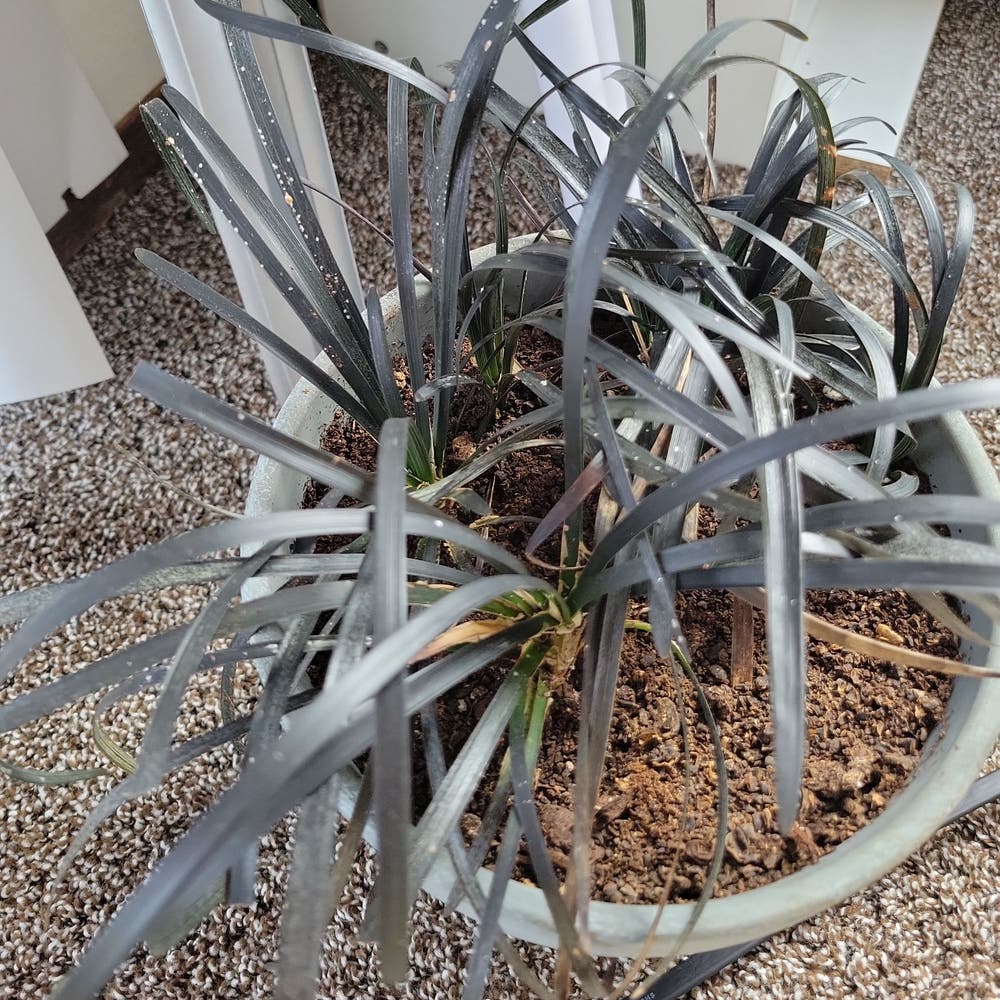
Should I Repot My Mondo Grass?
Ophiopogon japonicus
By the Greg Editorial Team
Jun 18, 2024•3 min read
This article was created with the help of AI so we can cover more plants for you. May contain errors. See one? Report it here.
- Roots peeking out? Time to repot for more space.
- 🌱 Choose the right pot: Terracotta for breathability, plastic for moisture.
- Repot in spring/summer during Mondo Grass's growth spurt.
Spotting the Tell-Tale Signs It's Time to Repot
🌱 Root Talk: When Roots Take Over the Joint
Roots peeking out of drainage holes? Escape artists. They're not trying to explore; they're cramped. If your Mondo Grass has roots circling the pot's interior or staging a breakout, it's shouting for space.
🐌 Slowing Down: When Growth Isn't What It Used to Be
If your Mondo Grass's growth has slowed to a snail's pace, it's not lazy—it's likely root-bound. When your plant's performance is more lackluster than a dim flashlight, consider upsizing its home.
💧 Thirsty Roots, Dry Leaves: Watering Woes as a Repotting Red Flag
When watering turns into a magic act with water disappearing instantly, take note. Fast-draining soil suggests a root takeover, leaving no room for moisture. It's a subtle nudge; your Mondo Grass is thirsty for a new pot.
🌼 Seasonal Sense: Optimal Times of the Year for the Big Move
Spring and early summer are your Mondo Grass's growth spurt seasons—prime time for repotting. Avoid the bloom time hustle; it's like changing dancers mid-performance. Give your plant the seamless transition it deserves.

Choosing the Right Pot for Your Mondo Grass
Selecting the right pot is crucial for the health and growth of your Mondo Grass. Let's dig into the options.
🏺 Terracotta: The Breathable Choice
Terracotta's porosity is a major plus, allowing air and water to move through the walls, which helps prevent root rot. However, this same feature means more frequent watering, as soil dries out faster.
🥤 Plastic: The Durable Contender
Plastic pots are champions of moisture retention, a boon for those who tend to under-water. Yet, this can be a double-edged sword, risking overwatering if not monitored closely.
🍶 Ceramic: The Stylish Option
Ceramic pots offer a visually appealing home for your Mondo Grass, with better moisture control than terracotta. They're heavier, though, and can be less forgiving on your wallet.
Remember, no matter the material, ensure your pot has adequate drainage holes. This isn't just a suggestion; it's a mandate for plant health.

The Repotting Step-by-Step
🌱 Pre-repot Prep: Choosing Soil and Prepping the New Pot
Select a well-draining potting mix; Mondo Grass appreciates moisture without the sogginess. Grab a pot that's a size up from the old one, ensuring it has drainage holes. Cover these holes with mesh to prevent soil escape. Add a fresh layer of soil at the bottom to elevate the root ball.
🌿 The Gentle Uproot: How to Safely Remove Mondo Grass from Its Old Pot
Water the plant lightly to make the roots more pliable. Tilt and gently coax the plant out, avoiding harsh tugs. If the pot's stubborn, use a knife to loosen the edges. Remember, it's not a wrestling match; be kind to your green buddy.
🌱 Root Health Check: Trimming and Inspecting Before the Move
Inspect the roots for any that are dead or circling; these are your trim targets. Healthy roots mean a happy plant, so snip with care. If the roots look good, leave the root ball intact to avoid unnecessary stress.
🌿 Settling In: Planting in the New Pot and Post-repot Care
Place your Mondo Grass in the center of its new home. Fill around with soil, firming it gently. Water thoroughly to settle the soil and eliminate air pockets. Monitor moisture levels in the following weeks, ensuring a consistent but not waterlogged environment. Welcome your Mondo Grass to its refreshed abode!

⚠️ Safety First
This content is for general information and may contain errors, omissions, or outdated details. It is not medical, veterinary advice, or an endorsement of therapeutic claims.
Always consult a qualified healthcare professional before using any plant as food, medicine, or supplement.
Never eat any plant (or feed one to pets) without confirming its identity with at least two trusted sources.
If you suspect poisoning, call Poison Control (800) 222-1222, the Pet Poison Helpline (800) 213-6680, or your local emergency service immediately.
Spotted an error? Please report it here.
Ensure your Mondo Grass thrives in its new pot by using Greg to monitor moisture 🌿 and get the perfect post-repotting care schedule.