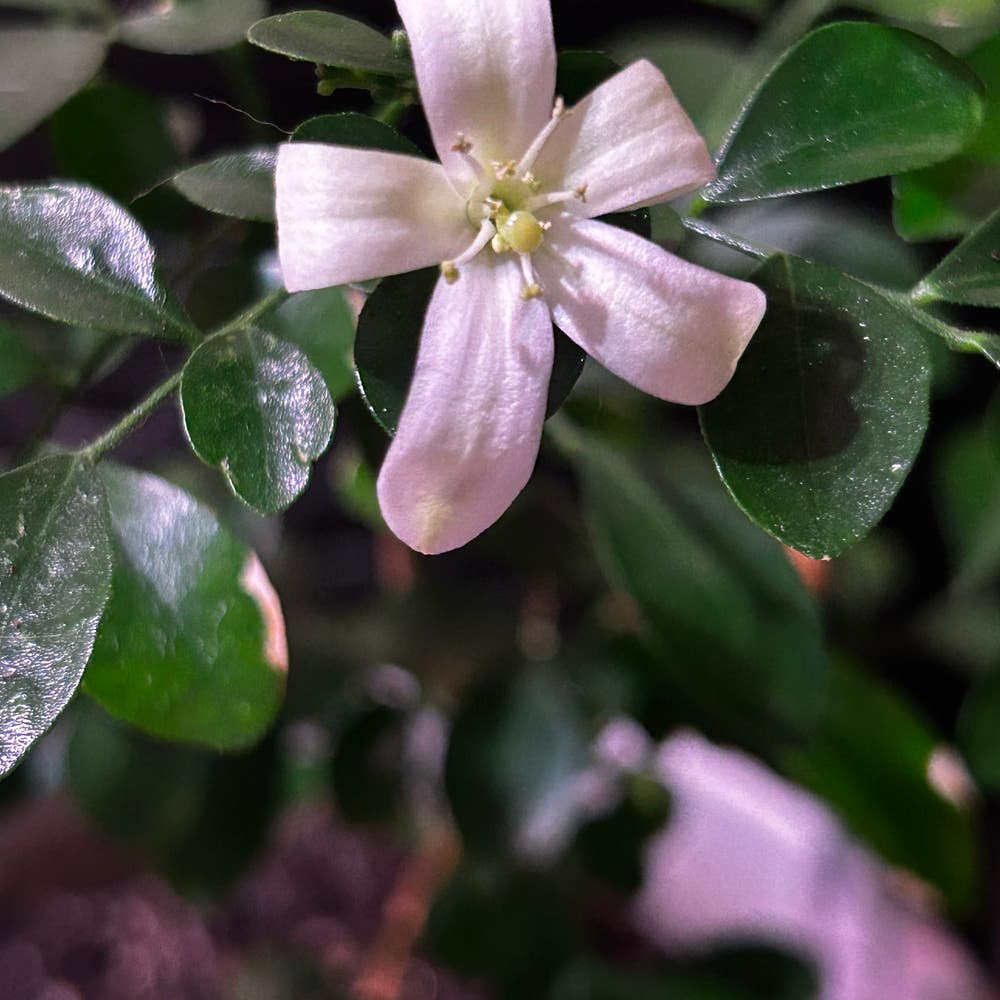
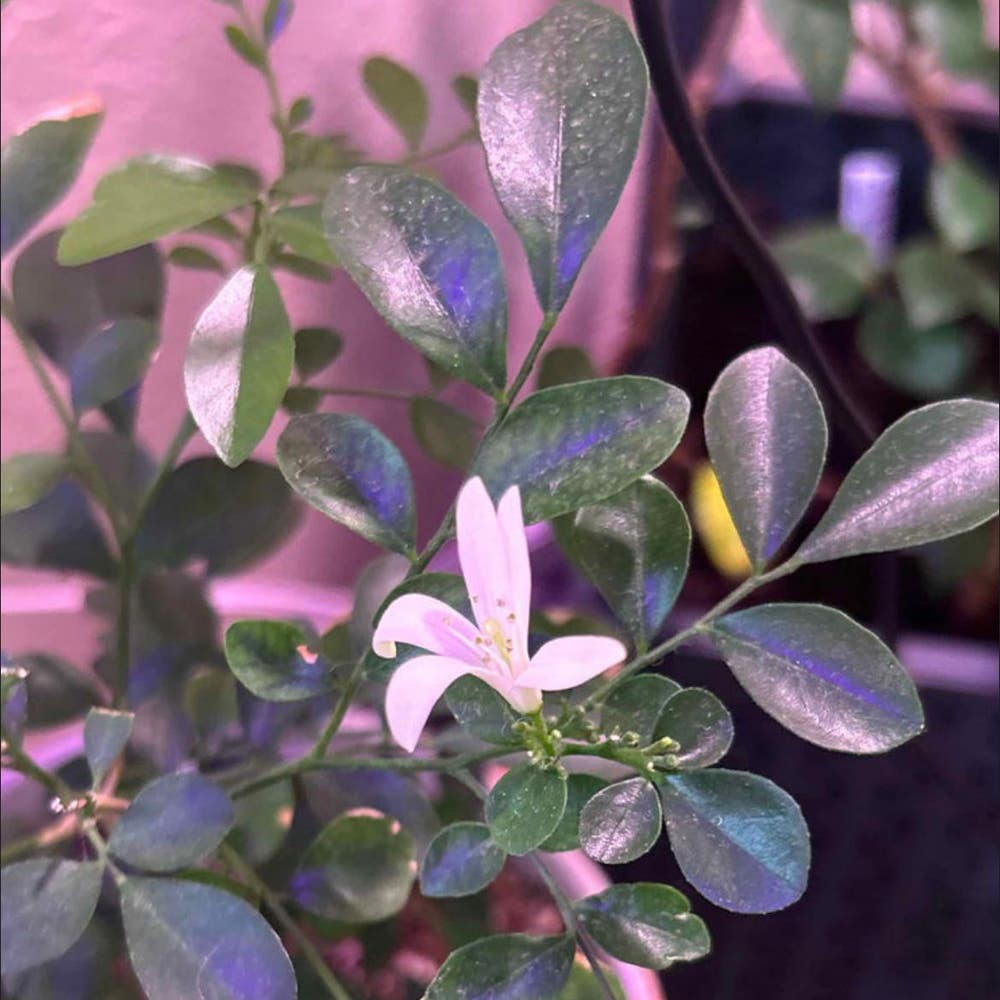
Why the Leaves on Your Orange Jessamine Are Turning Yellow 🍊
Murraya paniculata
By the Greg Editorial Team
Nov 08, 2024•6 min read
This article was created with the help of AI so we can cover more plants for you. May contain errors. See one? Report it here.
- 🌱 Yellow leaves indicate issues like nutrient deficiencies, pests, or watering problems.
- 💧 Overwatering and underwatering both cause yellowing; monitor soil moisture carefully.
- 🌞 Ensure 6-8 hours of sunlight daily to prevent yellow leaves and promote growth.
Causes of Yellow Leaves
🌱 Nutrient Deficiencies
Nitrogen Deficiency
Nitrogen deficiency is a common issue that manifests as general yellowing of older leaves and stunted growth. This nutrient is crucial for chlorophyll production, which is essential for the plant's overall vigor and health.
Iron Chlorosis
Iron chlorosis presents itself as yellowing between leaf veins, while the veins themselves remain green. This condition often affects younger leaves first and can be caused by high soil pH or poor drainage, which makes iron unavailable to the plant.
💧 Watering Issues
Overwatering Symptoms
Overwatering can lead to yellowing leaves, wilting, and even root rot. Ensuring well-drained soil is critical for the health of your Orange Jessamine, as excess moisture can suffocate roots.
Underwatering Symptoms
On the flip side, underwatering results in yellowing leaves, leaf drop, and dry, crispy edges. Consistent moisture is essential for maintaining the vitality of your plant, so it's important to monitor watering habits closely.
🐛 Pest Infestations
Common Pests Affecting Orange Jessamine
Aphids and spider mites are two common pests that can wreak havoc on your Orange Jessamine. Aphids are small, soft-bodied insects that suck sap from leaves, while spider mites create fine webbing and cause stippling on the foliage.
Signs of Pest Damage
Signs of pest damage include yellowing leaves, distorted growth, and visible pests or webbing on the plant. Regular inspections can help catch these issues early, preventing further damage.
🌡️ Environmental Stress
Temperature Fluctuations
Orange Jessamine thrives in temperatures ranging from 20°C to 30°C (68°F to 86°F). Extreme temperature fluctuations can stress the plant, leading to yellowing and leaf drop.
Humidity Levels
Moderate to high humidity levels are preferred for optimal growth. Low humidity can cause leaf yellowing and browning, so it's important to maintain a suitable environment.
Sunlight Exposure
For healthy growth, Orange Jessamine requires full sun exposure, ideally 6-8 hours daily. Insufficient light can lead to weak growth and yellowing leaves, so placement is key.
Understanding these causes of yellow leaves can help you take proactive measures to keep your Orange Jessamine healthy and vibrant. Next, we'll explore how to diagnose yellowing leaves effectively.
Diagnosing Yellow Leaves
👀 Visual Inspection Techniques
To start diagnosing yellow leaves on your Orange Jessamine, examine the leaf color closely. Look for patterns of yellowing across the plant, as this can indicate specific issues.
Next, check for pests by inspecting the undersides of leaves and stems. This is where many pests like to hide, and catching them early can save your plant from further damage.
📊 Identifying Patterns of Yellowing
It's essential to determine whether the yellowing affects older or younger leaves. Older leaves turning yellow may suggest nutrient deficiencies, while younger leaves could indicate other issues like pests or environmental stress.
Understanding these patterns helps you pinpoint the problem more accurately, allowing for targeted solutions.
💧 Assessing Soil Moisture Levels
A soil test is crucial for diagnosing yellow leaves. Use your finger or a moisture meter to check for dryness or sogginess in the soil.
Proper moisture is vital for your plant's health. Ensuring that your Orange Jessamine receives adequate water without being overwatered can significantly improve its vitality.
By following these diagnostic steps, you can effectively identify the underlying causes of yellow leaves. This knowledge sets the stage for implementing the right solutions to restore your plant's health.
Solutions for Yellow Leaves
🌱 Nutrient Management
Recommended Fertilizers
To combat yellow leaves on your Orange Jessamine, start with the right fertilizers. A slow-release fertilizer containing equal parts nitrogen, phosphorus, and potassium is ideal for overall plant health.
For those dealing with iron chlorosis, consider using fertilizers specifically high in iron. This can help restore the vibrant green color to your plant's leaves.
Application Frequency
Establish a fertilization schedule to keep your plant thriving. Aim to fertilize every 4-6 weeks during the growing season for optimal results.
💧 Watering Practices
Proper Watering Techniques
Effective watering is crucial for your plant's health. Begin by checking the soil moisture before watering to avoid over-saturation.
Next, water deeply to ensure moisture reaches the root zone. Finally, allow the top inch of soil to dry out between waterings to maintain a healthy balance.
Soil Drainage Improvement
Improving soil drainage can significantly benefit your Orange Jessamine. Amend the soil with organic matter to enhance drainage capabilities.
Good drainage is essential as it prevents root rot and promotes healthy growth, ensuring your plant remains vibrant and strong.
🐞 Pest Control Methods
Organic and Chemical Treatments
Pest control is another key aspect of maintaining healthy leaves. For organic options, consider using neem oil or insecticidal soap to combat aphids and spider mites effectively.
If you face severe infestations, systemic insecticides may be necessary. Always follow the manufacturer's instructions for safe application.
Preventative Measures
Regular inspections of your plant can help catch pest issues early. Monitoring for pests and treating them promptly can save your plant from significant damage.
Additionally, consider companion planting with species that deter pests. This natural approach can enhance your garden's overall health and resilience.
With these solutions in hand, you can effectively address the yellowing leaves of your Orange Jessamine. Next, let’s explore how to prevent yellow leaves from occurring in the first place.
Preventing Yellow Leaves
🌱 Best Practices for Care
Ideal Growing Conditions
To keep your Orange Jessamine thriving, start with the right soil. Aim for well-drained, fertile soil with a pH between 6.0 and 7.5 to ensure optimal nutrient availability.
Sunlight is equally crucial. Ensure your plant receives full sun exposure for at least 6 to 8 hours daily to promote healthy growth and vibrant foliage.
Seasonal Care Adjustments
As seasons change, so should your care routine. Adjust your watering and fertilization practices based on the plant's growth cycles and environmental conditions to maintain its health.
🧹 Regular Maintenance Tips
Pruning and Cleaning
Regular pruning is essential. Remove any dead or yellowing leaves to encourage new growth and keep your plant looking its best.
Cleaning the leaves is also important. Wipe them down to remove dust, which can improve photosynthesis and overall plant vitality.
Monitoring Plant Health
Stay vigilant by conducting regular checks on your Orange Jessamine. Look for any signs of stress or pest issues that could lead to yellowing leaves.
Early intervention is key. Addressing problems promptly can prevent further damage and keep your plant thriving.
By following these best practices and maintenance tips, you can significantly reduce the chances of yellow leaves on your Orange Jessamine. This proactive approach will help ensure your plant remains healthy and vibrant.
Next, we’ll explore effective solutions for yellow leaves when they do occur.
⚠️ Safety First
This content is for general information and may contain errors, omissions, or outdated details. It is not medical, veterinary advice, or an endorsement of therapeutic claims.
Always consult a qualified healthcare professional before using any plant as food, medicine, or supplement.
Never eat any plant (or feed one to pets) without confirming its identity with at least two trusted sources.
If you suspect poisoning, call Poison Control (800) 222-1222, the Pet Poison Helpline (800) 213-6680, or your local emergency service immediately.
Spotted an error? Please report it here.
Revive your Orange Jessamine's health by diagnosing yellow leaves with Greg's tailored care tips 🌱, ensuring it thrives with the right watering and nutrients!