Orange Jessamine Is Considered a Weed 🍊
Murraya paniculata
By the Greg Editorial Team
Nov 08, 2024•6 min read
This article was created with the help of AI so we can cover more plants for you. May contain errors. See one? Report it here.
- 🌱 Orange Jessamine is an invasive weed, threatening local ecosystems and biodiversity.
- 🌼 Identifying it correctly is crucial to manage its aggressive growth effectively.
- 💰 Management costs are high, impacting property values and agricultural yields.
Plant Classification and Identification
🌱 Classification as a Weed or Invasive Species
Weeds are typically defined as unwanted plants that grow aggressively, often outcompeting native flora. Orange Jessamine fits this definition due to its rapid spread, competitive nature, and significant ecological impact, making it a prime candidate for classification as an invasive species.
🔍 Key Identifying Features
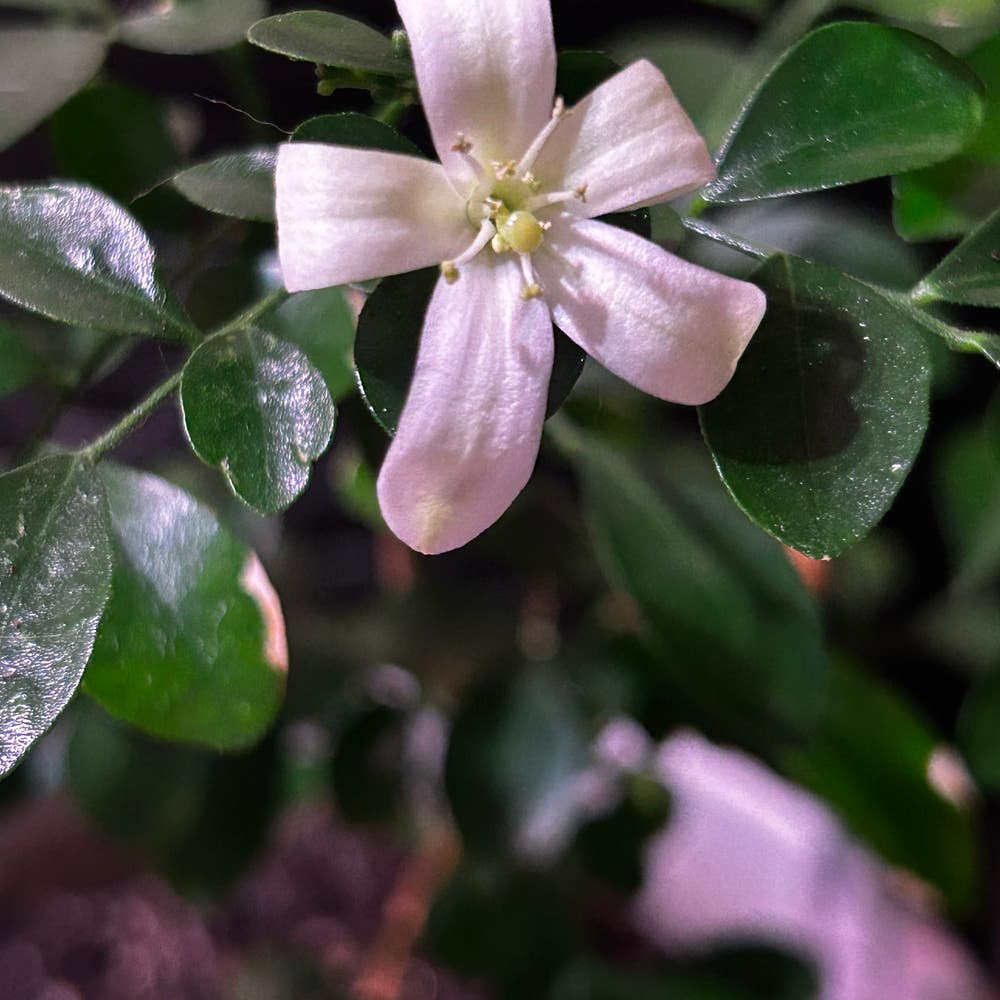
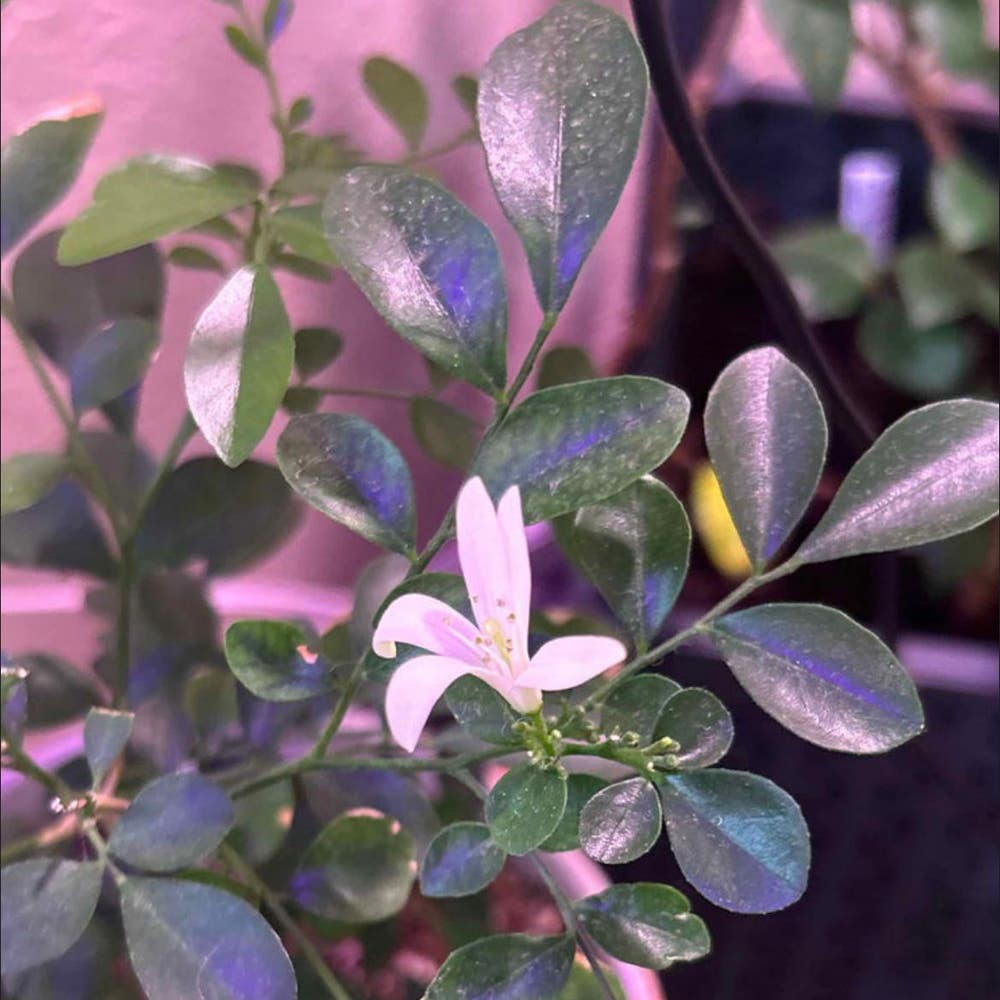
Identifying Orange Jessamine is straightforward with its glossy green, compound leaves arranged in a pinnate formation. The plant produces fragrant white flowers that bloom in clusters, attracting various pollinators, and can grow as a shrub or small tree, reaching heights of 10 to 15 feet.
👀 Look-Alike Plants and Distinguishing Characteristics
When identifying Orange Jessamine, it's essential to differentiate it from similar species like Mock Orange and various citrus plants. Look for the unique leaf structure and flower characteristics to ensure accurate identification in the field.
Understanding these features will help you recognize Orange Jessamine and appreciate its role in the ecosystem, as well as its potential challenges. Next, we will explore its growth habits and how it spreads in various environments.
Growth Habits and Spread
Typical Growth Patterns 🌱
Orange Jessamine is notorious for its rapid growth, quickly establishing dense thickets that can dominate landscapes. This plant thrives in various soil types and environmental conditions, making it a formidable presence in many areas.
Reproductive Strategies and Methods of Spread 🌼
One of the key factors contributing to its invasiveness is its high seed output and viability. Additionally, Orange Jessamine can sprout from cuttings and roots, allowing it to spread aggressively even when cut back.
Environmental Conditions Favoring Growth ☀️
This species prefers tropical and subtropical climates, where it flourishes. It also exhibits remarkable tolerance to drought and poor soil conditions, further enhancing its ability to invade and establish itself in diverse environments.
Understanding these growth habits and reproductive strategies is crucial for managing Orange Jessamine effectively. By recognizing its adaptability and resilience, we can better prepare for the challenges it poses in various ecosystems.
Ecological Impact
Effects on Native Plant Communities 🌱
Orange Jessamine poses a significant threat to native plant communities. Its rapid growth and competitive nature lead to the displacement of local flora, resulting in a noticeable reduction in biodiversity.
Impact on Wildlife and Biodiversity 🦋
The presence of Orange Jessamine alters habitats, which can disrupt the delicate balance of local ecosystems. Changes in plant availability affect food sources for native wildlife, potentially leading to declines in certain species.
Influence on Soil and Water Resources 💧
This invasive species can degrade soil quality over time, impacting nutrient availability. Additionally, Orange Jessamine's high water usage can strain local water resources, further stressing the ecosystems that depend on them.
Understanding these ecological impacts is crucial for effective management and control strategies. By recognizing the challenges posed by Orange Jessamine, we can better protect our native ecosystems and promote biodiversity.
Economic or Agricultural Impact
💸 Economic Losses
The presence of Orange Jessamine can lead to significant economic losses. Management and control efforts can strain local budgets, as resources are diverted to combat this invasive species.
In heavily infested areas, property values often decline. Homeowners may find their investments diminished due to the unsightly and invasive nature of this plant.
🌾 Agricultural Issues
Orange Jessamine poses a serious threat to agriculture by competing with crops. This competition can result in reduced yields, impacting farmers' livelihoods.
Additionally, landowners face increased management costs. The need for ongoing control measures can eat into profits, making it essential to address this invasive species proactively.
Understanding these economic and agricultural impacts highlights the urgency of managing Orange Jessamine effectively. By tackling this issue, communities can protect their landscapes and agricultural productivity.
Control and Management
🌱 Manual Removal Techniques and Best Practices
Managing Orange Jessamine effectively starts with identifying infested areas. Regular monitoring and assessment are crucial to catch infestations early.
Hand-pulling is a straightforward method, but timing is key. Remove plants before they set seed, ensuring you get the entire root to prevent regrowth.
Disposal methods also matter. Proper disposal is essential to prevent re-establishment, so consider options like burning or bagging the plants.
🧪 Chemical Control Options and Safety Considerations
When manual methods aren't enough, chemical control options come into play. Herbicides can be effective, but it's vital to choose the right type for your situation.
Timing your application is crucial for success. Always follow safety precautions to protect yourself and the surrounding environment.
🐞 Biological Control Methods and Their Effectiveness
Biological control methods offer another avenue for managing Orange Jessamine. Potential agents include specific insects or pathogens that target the plant.
However, challenges exist in implementing these methods. Effectiveness can vary, and careful consideration is necessary before introducing any biological control agents.
🚫 Preventive Measures to Limit Spread
Prevention is always better than cure. Implementing landscape management practices can significantly limit the spread of Orange Jessamine.
Community awareness plays a vital role too. Educating neighbors about the plant and its impacts can foster collective action against its proliferation.
🔍 Importance of Early Detection and Rapid Response
Early detection is your best ally in combating Orange Jessamine. Establishing strategies for quick identification can make a significant difference in management efforts.
Rapid response protocols ensure that when you spot an infestation, you can act swiftly. This proactive approach can help maintain the health of local ecosystems and prevent further spread.
With these control and management strategies in place, you can effectively tackle Orange Jessamine and protect your environment. Next, we will explore the legal status surrounding this invasive species and the regulations that govern its management.
Legal Status
📜 Laws and Regulations
Orange Jessamine is classified as an invasive species in many regions. This classification triggers specific local regulations aimed at controlling its spread and mitigating its ecological impact.
🛠️ Requirements for Removal or Control
In areas where Orange Jessamine is deemed invasive, there are often mandated control measures. These may include reporting requirements for infestations and guidelines for effective removal to prevent re-establishment.
Understanding these legal frameworks is crucial for landowners and communities. By adhering to regulations, we can work together to protect native ecosystems and promote biodiversity.
As we explore the potential benefits or uses of Orange Jessamine, it’s essential to weigh these against its negative impacts. This balance will guide our approach to managing this complex plant.
Potential Benefits or Uses
🏡 Historical and Current Uses
Orange Jessamine, also known as Murraya paniculata, has a rich history in landscaping and ornamental gardening. Its fragrant white flowers and glossy green leaves make it a popular choice for hedges and decorative borders.
This plant is often favored for its ability to attract pollinators, enhancing the biodiversity of gardens. However, while it may beautify spaces, its invasive nature raises concerns.
⚠️ Emphasis on Negative Impacts
Despite its aesthetic appeal, the ecological and economic costs of Orange Jessamine often outweigh its benefits. Its rapid spread can displace native species, leading to a decline in local biodiversity.
Additionally, the costs associated with managing and controlling this invasive species can burden landowners and communities. In the end, the allure of Orange Jessamine as a garden plant is overshadowed by its potential to disrupt ecosystems and diminish property values.
As we consider its uses, it's crucial to weigh these factors carefully. Understanding the balance between beauty and ecological integrity is essential for responsible gardening and landscaping choices.
⚠️ Safety First
This content is for general information and may contain errors, omissions, or outdated details. It is not medical, veterinary advice, or an endorsement of therapeutic claims.
Always consult a qualified healthcare professional before using any plant as food, medicine, or supplement.
Never eat any plant (or feed one to pets) without confirming its identity with at least two trusted sources.
If you suspect poisoning, call Poison Control (800) 222-1222, the Pet Poison Helpline (800) 213-6680, or your local emergency service immediately.
Spotted an error? Please report it here.
Stay informed about the invasive nature of Orange Jessamine 🌱 and let Greg help you identify and manage it effectively with personalized care tips tailored to your garden!