What Temperature Should My Mock Orange Be Kept At?
Murraya paniculata
By the Greg Editorial Team
Jun 18, 2024•4 min read
This article was created with the help of AI so we can cover more plants for you. May contain errors. See one? Report it here.
- Ideal range 60°F to 70°F for Mock Orange health and blooms.
- 🌡️ Avoid sudden temperature swings to prevent stress on the plant.
- Moderate humidity supports Mock Orange alongside stable temperatures.
Keeping Your Mock Orange Cozy: The Sweet Spot for Temperature
🌡️ Ideal Temperature Range
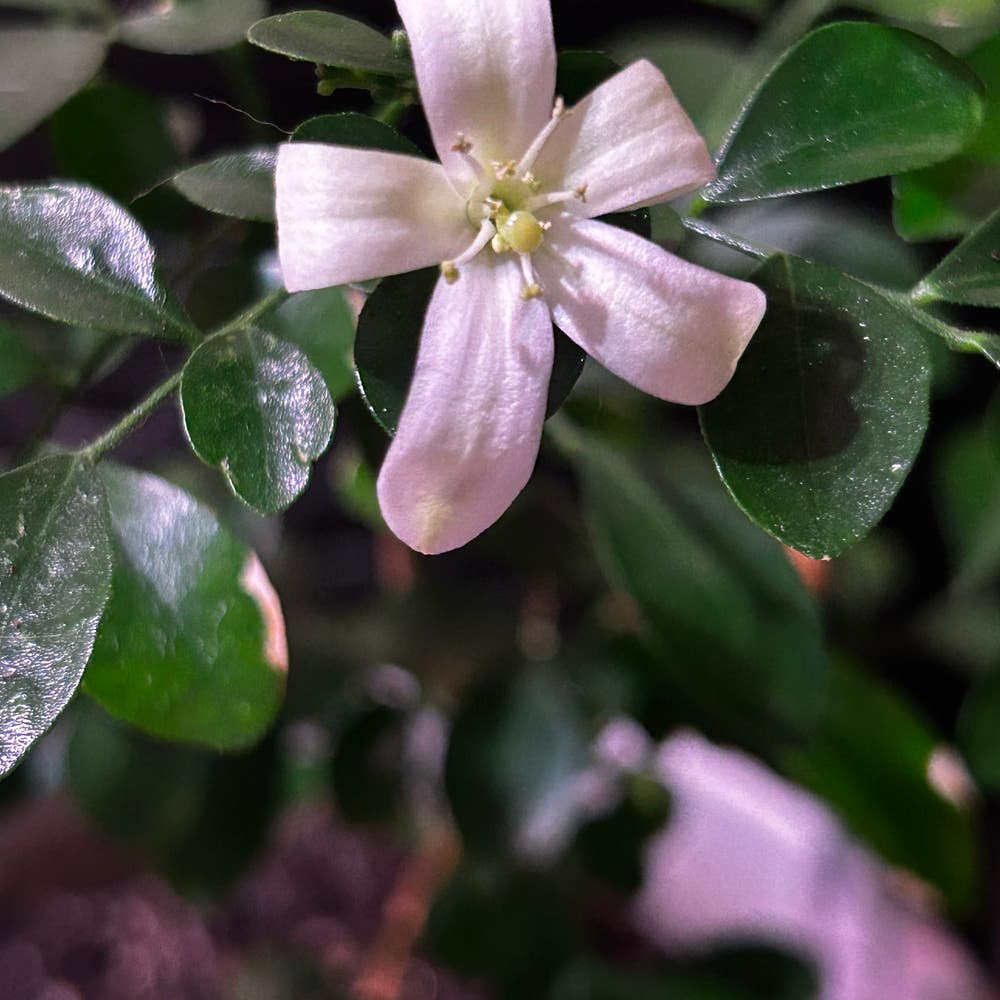
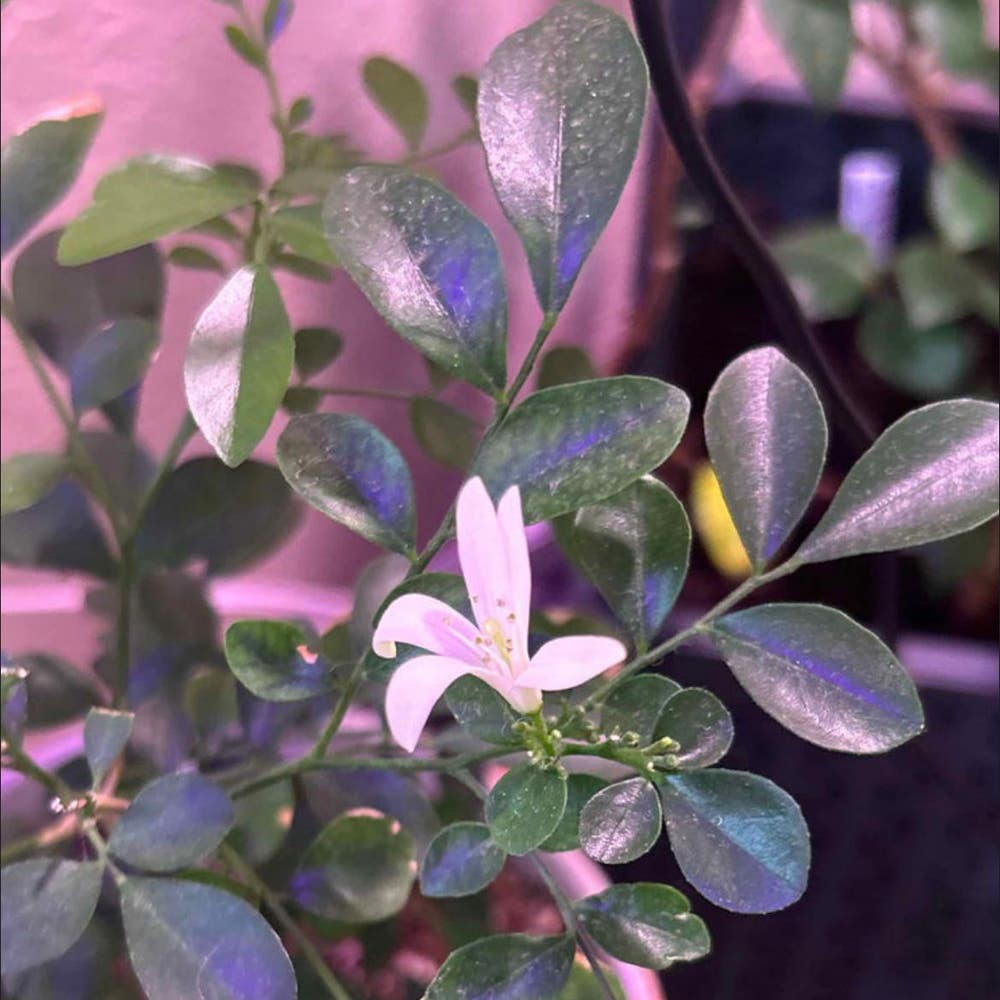
Mock Orange plants bask in the glory of a specific temperature range: 60°F to 70°F (15°C to 21°C). This is their happy place, where they can produce those show-stopping blooms without breaking a sweat.
🎢 The Consequences of Temperature Swings
Don't let your Mock Orange get caught in a thermal rollercoaster. Sudden temperature changes can mess with its vibe, leading to a plant that's more confused than a chameleon in a bag of Skittles. Keep it steady to avoid throwing your Mock Orange off its rhythm.

When Things Heat Up: Recognizing Temperature Stress
🌡️ Telltale Signs of Overheating
Wilting, browning, and a lack of flowers—these are the red flags of a Mock Orange in distress. Overheating can turn vibrant green leaves into crispy, sad remnants of their former selves. If your Mock Orange looks more like a wilted salad than a lush shrub, it's time to cool things down.
❄️ Chilling Out: Cold Stress Clues
On the flip side, frost damage and stunted growth are the unmistakable signs your Mock Orange is too cold. Shriveled stems and darkened, waterlogged leaves spell trouble. It's like your plant is sending out an SOS in the only language it knows—visual cues.

The Balancing Act: Avoiding Temperature Extremes
🌡️ Steering Clear of the Freezer and the Oven
Mock Orange plants don't take kindly to the extremes of temperature. To prevent your botanical buddy from succumbing to the chills or wilting in a heatwave, a bit of common sense and vigilance goes a long way. Insulate your plant from the cold by keeping it away from drafty windows during the winter months. Conversely, during a scorcher, provide some shade to shield it from the midday sun. It's about keeping your green friend in a comfortable limbo between too hot and too cold.
🍂 Seasonal Adjustments
As the seasons change, so should your care strategy. When spring's tender warmth turns into the sizzle of summer, it's time to rethink your Mock Orange's placement. Rotate the plant to ensure it isn't baking in direct sunlight, and consider moving it to a spot with morning sun and afternoon shade. As autumn rolls in, be mindful of the dropping temperatures and move your plant to a cozy corner where it can bask in the weaker sun without catching a cold. Remember, it's not just about survival; it's about providing a stable environment for your Mock Orange to thrive in all year round.

Quick Nod to Humidity
Humidity might play second fiddle to temperature, but it's a crucial partner in the Mock Orange tango.
🌡️ The Humidity-Temperature Tango
Relative humidity—the amount of water vapor air holds relative to its temperature capacity—matters. Your Mock Orange doesn't just care about the warmth; it craves that just-right moisture level in the air.
🎯 Why Humidity Matters
Too dry, and you'll notice your Mock Orange's leaves looking more thirsty than a camel on a desert trek. Too moist, and you're inviting a fungal fiesta. Aim for that Goldilocks zone of humidity—not too high, not too low.
📊 Keeping Tabs on Humidity
Don't guess; use a hygrometer. This little gadget will help you keep an eye on the invisible yet vital moisture in the air. If you're in a pinch, the ice cube glass sweat test can offer a crude humidity check.
🔄 Adjusting Humidity Levels
If your Mock Orange is gasping in dry air, a humidifier or pebble tray can up the ante. Conversely, if it's swimming in moisture, a dehumidifier or some good old-fashioned airflow—think fans or open windows—can help dry things out.
Remember, your Mock Orange isn't just looking for a cozy temperature spot to settle into; it's after that perfect humidity hug that makes its world go 'round.
⚠️ Safety First
This content is for general information and may contain errors, omissions, or outdated details. It is not medical, veterinary advice, or an endorsement of therapeutic claims.
Always consult a qualified healthcare professional before using any plant as food, medicine, or supplement.
Never eat any plant (or feed one to pets) without confirming its identity with at least two trusted sources.
If you suspect poisoning, call Poison Control (800) 222-1222, the Pet Poison Helpline (800) 213-6680, or your local emergency service immediately.
Spotted an error? Please report it here.
Keep your Mock Orange in peak bloom 🌡 by using Greg to monitor and adjust your home's temperature and humidity, ensuring your plant thrives in its ideal climate.