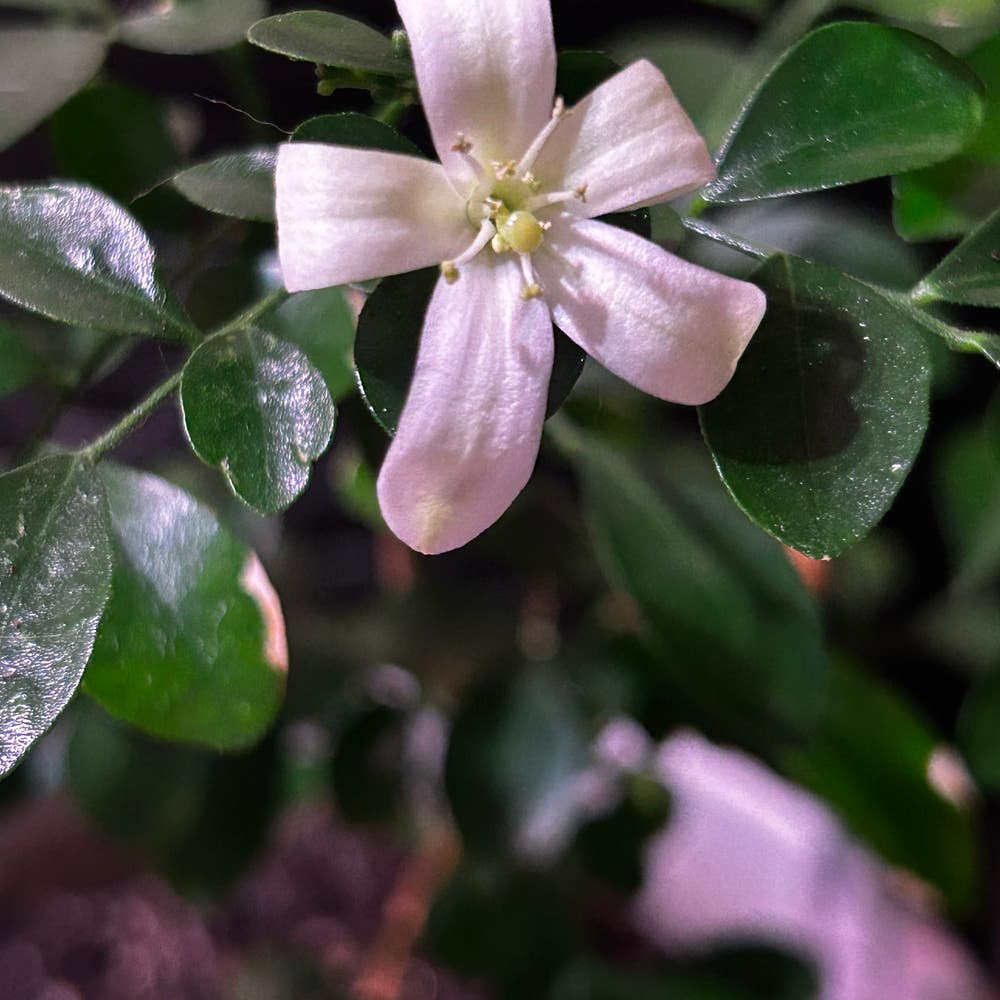
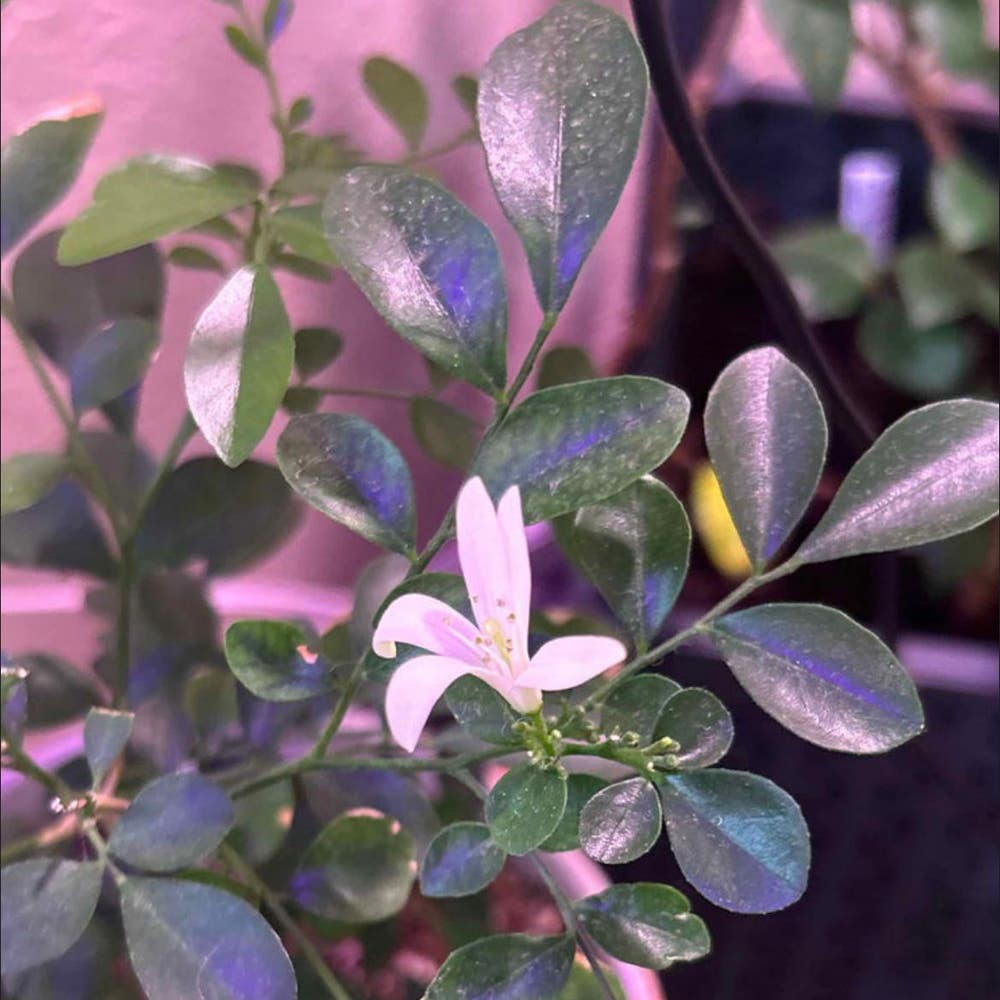
🌼 9 Factors Affecting Orange Jessamine Flowering
Murraya paniculata
By the Greg Editorial Team
Nov 08, 2024•6 min read
This article was created with the help of AI so we can cover more plants for you. May contain errors. See one? Report it here.
- 🌞 6-8 hours of sunlight daily is essential for vibrant Orange Jessamine blooms.
- 🌱 Nutrient deficiencies in nitrogen, phosphorus, and potassium hinder flowering; use balanced fertilizers.
- 🌡️ Temperature and humidity fluctuations can cause flower drop; maintain stable conditions for blooms.
Failure to Bloom
🌞 Causes
Insufficient Light
Adequate sunlight is crucial for the flowering cycle of Orange Jessamine. When plants receive insufficient light, they exhibit symptoms like leggy growth and sparse foliage, indicating they are struggling to thrive.
Nutrient Deficiencies
Key nutrients such as nitrogen, phosphorus, and potassium are essential for flower development. Signs of nutrient deficiency include yellowing leaves and poor growth, which can hinder blooming.
Improper Pruning
Incorrect pruning can severely affect flowering by removing potential flower buds. Additionally, timing issues related to pruning practices can further complicate the blooming process.
💡 Solutions
Adjusting Light Exposure
To encourage blooming, ensure your Orange Jessamine receives 6-8 hours of direct sunlight daily. If natural light is lacking, consider relocating the plant or using supplemental lighting techniques.
Fertilization Tips
Using balanced NPK fertilizers is vital for healthy flowering. Apply these fertilizers every 4-6 weeks during the growing season to provide consistent nutrients.
Pruning Techniques
Light trimming after flowering can promote new growth and encourage blooming. Avoid heavy pruning during the bloom cycle to protect existing flower buds and maximize flowering potential.
By addressing these factors, you can significantly enhance the chances of your Orange Jessamine blooming beautifully. Next, let’s explore the issue of premature flower drop and its causes.
Premature Flower Drop
🌡️ Causes
Environmental Stress
Environmental stress can significantly impact your Orange Jessamine's ability to retain flowers. Factors like temperature fluctuations and humidity changes can lead to wilting leaves and drooping flowers, signaling that your plant is struggling.
Overwatering
Overwatering is another common culprit behind premature flower drop. Excessive moisture can harm root health, leading to yellowing leaves and even root rot, which ultimately affects flower retention.
Pest Infestations
Pest infestations can wreak havoc on your flowering plants. Common pests such as aphids and spider mites can cause distorted flowers and leave sticky residue, indicating that your plant is under attack.
💧 Solutions
Watering Guidelines
To prevent premature flower drop, maintain soil moisture at optimal levels. Aim for consistently moist soil, but avoid sogginess; techniques like the finger test or using a moisture meter can help you gauge when to water.
🐞 Pest Management Strategies
Identifying pests early is crucial for protecting your blooms. Control methods include using insecticidal soap, neem oil, or even introducing beneficial insects to keep harmful pests at bay.
By addressing these factors, you can help your Orange Jessamine thrive and enjoy a vibrant display of flowers. Next, let’s explore the abnormal flower development that can occur in these beautiful plants.
Abnormal Flower Development
🌱 Causes
Genetic Factors
Genetic variability among Orange Jessamine varieties can lead to different flowering patterns. Additionally, local climate conditions can significantly influence how these genetic traits are expressed.
Nutrient Imbalance
A balanced nutrient intake is crucial for healthy flower development. Symptoms of nutrient imbalance include malformed flowers and poor color, which can detract from the plant's overall beauty.
Temperature Fluctuations
Extreme temperature changes can adversely affect flower formation. The ideal temperature range for optimal flowering is between 20°C to 30°C (68°F to 86°F), so maintaining this range is essential for vibrant blooms.
🛠️ Solutions
Soil Testing
Testing your soil for nutrient levels and pH is vital for addressing abnormal flower development. Based on the test results, you can apply recommended soil amendments to restore balance.
Temperature Control Methods
To maintain consistent temperatures, consider using shade cloths or greenhouses. It's also important to monitor temperature changes, especially during seasonal transitions, to protect your Orange Jessamine from stress.
By understanding the causes and implementing these solutions, you can encourage healthier flowering in your Orange Jessamine plants. Next, we will explore the nutritional factors that play a crucial role in blooming.
Nutritional Factors Affecting Flowering
🌼 Essential Nutrients for Blooming
To achieve vibrant blooms, Orange Jessamine requires a balanced intake of essential nutrients. Key players include nitrogen, which promotes lush foliage; phosphorus, crucial for robust root and flower development; and potassium, vital for overall plant health.
Recognizing nutrient deficiencies is essential for maintaining plant vitality. Look for signs like yellowing leaves, stunted growth, and poor flowering, which indicate that your plant may not be getting the nutrients it needs.
🌱 Fertilization Strategies
When it comes to fertilizing Orange Jessamine, choosing the right type of fertilizer can make a significant difference. Organic options, such as compost or well-rotted manure, provide a slow release of nutrients, while synthetic fertilizers can offer a quick boost.
Slow-release fertilizers are particularly beneficial, as they ensure a steady supply of nutrients over time. This approach helps maintain consistent growth and flowering throughout the growing season.
Timing your fertilization is just as important as the type of fertilizer you choose. Aim to fertilize in early spring and again in mid-summer to support your plant during its peak growth phases.
For application methods, consider techniques like broadcasting, where you spread the fertilizer evenly across the soil, or foliar feeding, which involves spraying a diluted solution directly onto the leaves for quick absorption.
By understanding and implementing these nutritional strategies, you can enhance the flowering potential of your Orange Jessamine, ensuring a stunning display of blooms.
As we move forward, let's explore the impact of pruning techniques on flowering and how to optimize this crucial aspect of plant care.
Pruning Techniques and Their Effects
🌸 Importance of Pruning for Flowering
Pruning is a crucial practice that significantly influences the bloom cycle of Orange Jessamine. By encouraging new growth and flower bud formation, proper pruning can lead to a more vibrant display of flowers.
However, over-pruning poses risks that can hinder flowering. Removing too many buds or branches can result in fewer blooms, leaving your plant looking sparse and uninviting.
⏰ Timing of Pruning
Knowing when to prune is essential for optimal flowering. The best time to prune Orange Jessamine is right after flowering, which helps avoid the removal of potential buds for the next cycle.
Look for signs that indicate it's time to prune, such as faded flowers or the emergence of new growth. These cues signal that your plant is ready for a trim.
Late pruning can have detrimental effects on flower development. If you prune too late in the season, you risk reducing the plant's flowering potential, leaving you with fewer blooms when you want them most.
In summary, effective pruning techniques and timing can make a world of difference in the flowering of your Orange Jessamine. With the right approach, you can ensure a beautiful and bountiful bloom cycle.
Next, let’s explore the nutritional factors that affect flowering and how to provide your plant with the essential nutrients it needs.
⚠️ Safety First
This content is for general information and may contain errors, omissions, or outdated details. It is not medical, veterinary advice, or an endorsement of therapeutic claims.
Always consult a qualified healthcare professional before using any plant as food, medicine, or supplement.
Never eat any plant (or feed one to pets) without confirming its identity with at least two trusted sources.
If you suspect poisoning, call Poison Control (800) 222-1222, the Pet Poison Helpline (800) 213-6680, or your local emergency service immediately.
Spotted an error? Please report it here.
Unlock vibrant blooms 🌼 for your Orange Jessamine by using Greg's tailored care tips and reminders to master the art of flowering success!