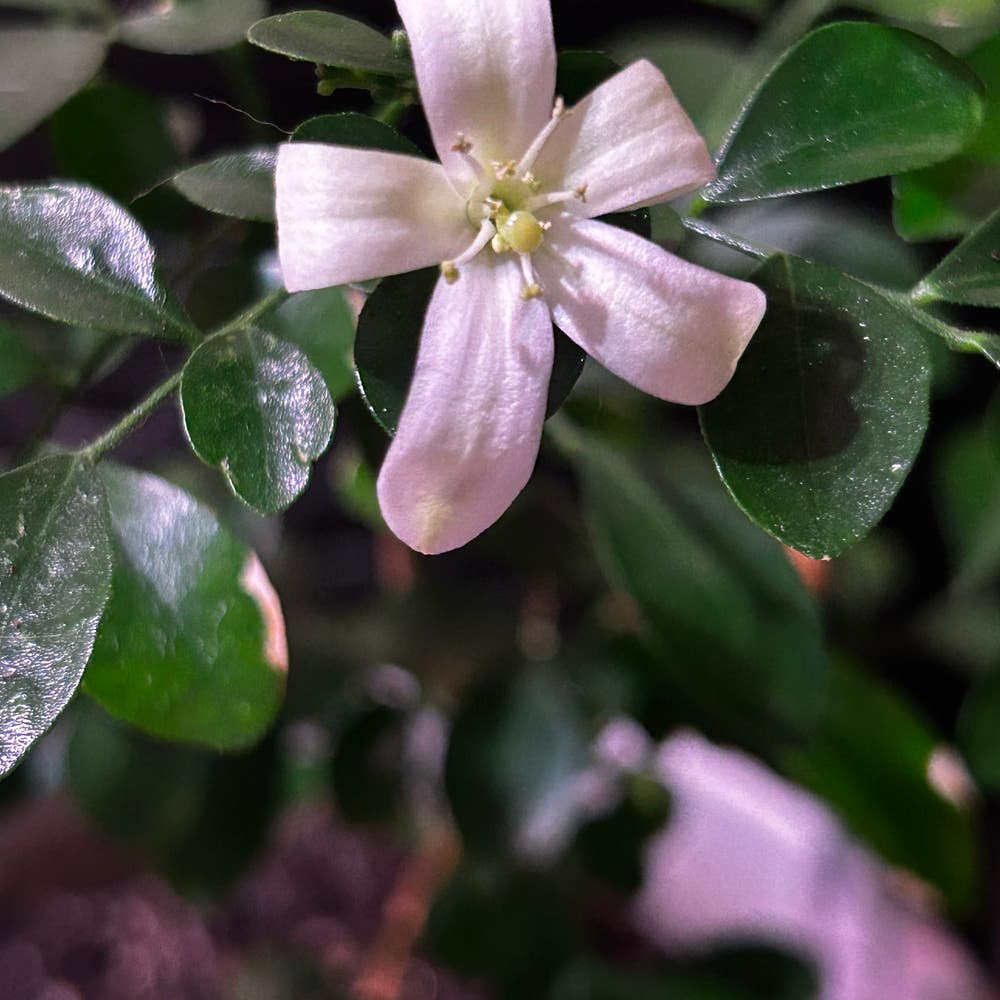
How Do I Cure Mock Orange Root Rot?
Murraya paniculata
By the Greg Editorial Team
Jun 18, 2024•5 min read
This article was created with the help of AI so we can cover more plants for you. May contain errors. See one? Report it here.
- Prune infected roots and adjust watering to combat root rot.
- Well-draining soil and pots are crucial for Mock Orange recovery.
- Fungicides treat root rot, but choose based on the specific pathogen.
Spotting the Red Flags: Recognizing Root Rot in Mock Orange
🚩 Visual Symptoms
In the battle against root rot, your Mock Orange's leaves are the first to wave the white flag. Wilting and yellowing are the plant's SOS signals, while stunted growth is its way of saying, "I'm not okay."
🕳 Below the Surface
Dig a little deeper, and the roots will spill the dirty secrets. If they're dark and mushy, you've hit the jackpot of bad news. And that foul odor? It's the unmistakable eau de decay, confirming that root rot has crashed the party.

First Response: Immediate Actions to Combat Root Rot
🌿 Pruning for Health
Root rot in Mock Orange is a silent assassin; early detection and swift action are crucial. To prune effectively, sterilize your shears to prevent spreading the infection. Carefully remove the plant from its pot and gently shake off the soil to expose the roots. Healthy roots are firm and white, while infected ones are soft, brown, and likely smelly. Snip the compromised roots, ensuring you only leave the healthy tissue behind. It's like performing surgery—precision is key, and there's no room for half-measures.
💧 Watering Woes
Overwatering is often the culprit behind root rot, so let's not drown our sorrows—and our plants. After pruning, adjust your watering habits. Ensure the soil is dry to the touch before watering again, and when you do, avoid the base of the plant to keep moisture levels in check. Think of water as a potent elixir; too much and you're on a slippery slope back to root rot city.

Soil Savvy: Enhancing Drainage and Root Environment
🌱 Choosing the Right Mix
Selecting the right soil is like picking a mattress for yourself—comfort is key, but you don't want to sink in. For Mock Orange, think airy and fluffy; a mix that's quick to drain yet cozy enough to retain just the right amount of moisture. A concoction of peat moss, perlite, and vermiculite hits the mark, giving roots the luxury of breathing easy without the risk of waterlogging. If you're eyeing commercial mixes, aim for those with a reputation for premium drainage—like those used for orchids or cacti—and consider throwing in a bit of organic matter to keep the party lively for the roots.
🌿 Repotting for Recovery
When repotting, think of it as moving day for your Mock Orange. First, gently remove the plant from its current pot, shaking off excess soil and assessing the root situation. Snip away any damaged roots with sterilized shears—think surgical precision here. Now, grab a pot with drainage holes (non-negotiable) and consider a size upgrade if the roots look cramped. Layer the bottom with gravel or rocks to set up a drainage system that would make any civil engineer proud. Add your well-draining soil mix, position your plant, and fill 'er up, tamping down to evict any air pockets. Water wisely and watch for that Mock Orange to bounce back like a champ.

Fungus Among Us: Dealing with Pathogens
🍄 Identifying the Culprit
Root rot in Mock Orange can often be traced back to fungal pathogens. These unwelcome guests can turn your plant's roots into a mushy mess. Phytophthora species are common culprits, but they're not the only fungi on the block. Rhizoctonia and Fusarium species also crash the party, wreaking havoc below the soil. To pinpoint the exact pathogen, you might need a lab test, but you can start with a keen eye for symptoms like soft, brown roots or a plant that's just not thriving despite your best efforts.
💣 Fungicidal Solutions
Once you've identified the fungus among us, it's time for action. Fungicides can be a plant's best friend in these dire times. But not all fungicides are created equal; you'll need to select one that's effective against your specific uninvited guest. For Phytophthora, products containing metalaxyl or mefenoxam might do the trick. Always follow the label directions to the letter—overuse can lead to resistance, and nobody wants that. And remember, cleanliness is next to godliness; sanitize your tools to avoid spreading the spores to other plants. It's like dealing with zombies; one bite, and it's game over for your garden.
Prevention is Key: Long-Term Strategies to Keep Root Rot at Bay
💧 Water Wisdom
Watering your Mock Orange correctly is like hitting the bullseye in a game of darts—it requires precision. Moisture is key, but too much is a recipe for disaster. Stick your finger into the soil; if the top inch feels dry, it's time to water. During winter, ease up on the H2O. Your plant's thirst isn't as mighty when it's cooler.
🌱 Pot and Plot Considerations
Choosing the right pot is like picking a good pair of shoes; it needs to fit well and handle some drainage. Go for pots with ample drainage holes. Terracotta is a champ—it wicks away excess moisture. Skip the pebble layer at the bottom; it's a myth that it helps drainage. Instead, it's an express ticket to Soggy Roots City. Keep your Mock Orange's feet dry, and you'll be golden.
⚠️ Safety First
This content is for general information and may contain errors, omissions, or outdated details. It is not medical, veterinary advice, or an endorsement of therapeutic claims.
Always consult a qualified healthcare professional before using any plant as food, medicine, or supplement.
Never eat any plant (or feed one to pets) without confirming its identity with at least two trusted sources.
If you suspect poisoning, call Poison Control (800) 222-1222, the Pet Poison Helpline (800) 213-6680, or your local emergency service immediately.
Spotted an error? Please report it here.
Banish Mock Orange root rot by adjusting your watering habits 🚿 with Greg's tailored reminders and expert care tips.