Light Requirements For My Mock Orange
Murraya paniculata
By the Greg Editorial Team
Jun 18, 2024•4 min read
This article was created with the help of AI so we can cover more plants for you. May contain errors. See one? Report it here.
- Full sun to partial shade suits Mock Orange; morning sun is best.
- 🌞 Protect with dappled shade if afternoon sun is too intense.
- 💡 Use full-spectrum grow lights indoors, 12 inches above plant.
Soaking Up the Sun: Outdoor Light for Mock Orange
🌞 Finding the Sweet Spot
Mock Orange thrives in variable light conditions, from full sun to partial shade. To pinpoint the ideal spot, observe your garden's sun patterns. Morning sunlight is generally gentler, so east-facing areas are prime real estate for these shrubs. As seasons shift, keep in mind that trees may leaf out and alter the light landscape, potentially turning a sunny spring spot into a summer shade retreat.
🌅 When Too Much Sun Strikes
Beware of leaves that crisp up like bacon; it's a distress signal for too much sun. Mock Orange can handle some rays, but the scorching afternoon sun can be overkill. If your shrub's leaves start resembling a sunburnt vacationer, it's time to intervene. Create a canopy of dappled shade with a strategically placed sun sail or by planting taller foliage nearby for a natural sunblock.

Bringing the Sunshine In: Indoor Light for Mock Orange
🌞 Window Wisdom
South-facing windows are the gold standard for Mock Orange indoors, bathing your plant in bright, direct light. But not all homes are blessed with this perfect orientation. East or west-facing windows can also work, offering gentle morning or afternoon light respectively.
As the seasons change, so does the angle of sunlight. Keep an eye on your Mock Orange and shuffle it around if needed to ensure it gets consistent light year-round. A light meter can be a handy gadget to quantify light levels in different spots of your home.
💡 No Window? No Problem!
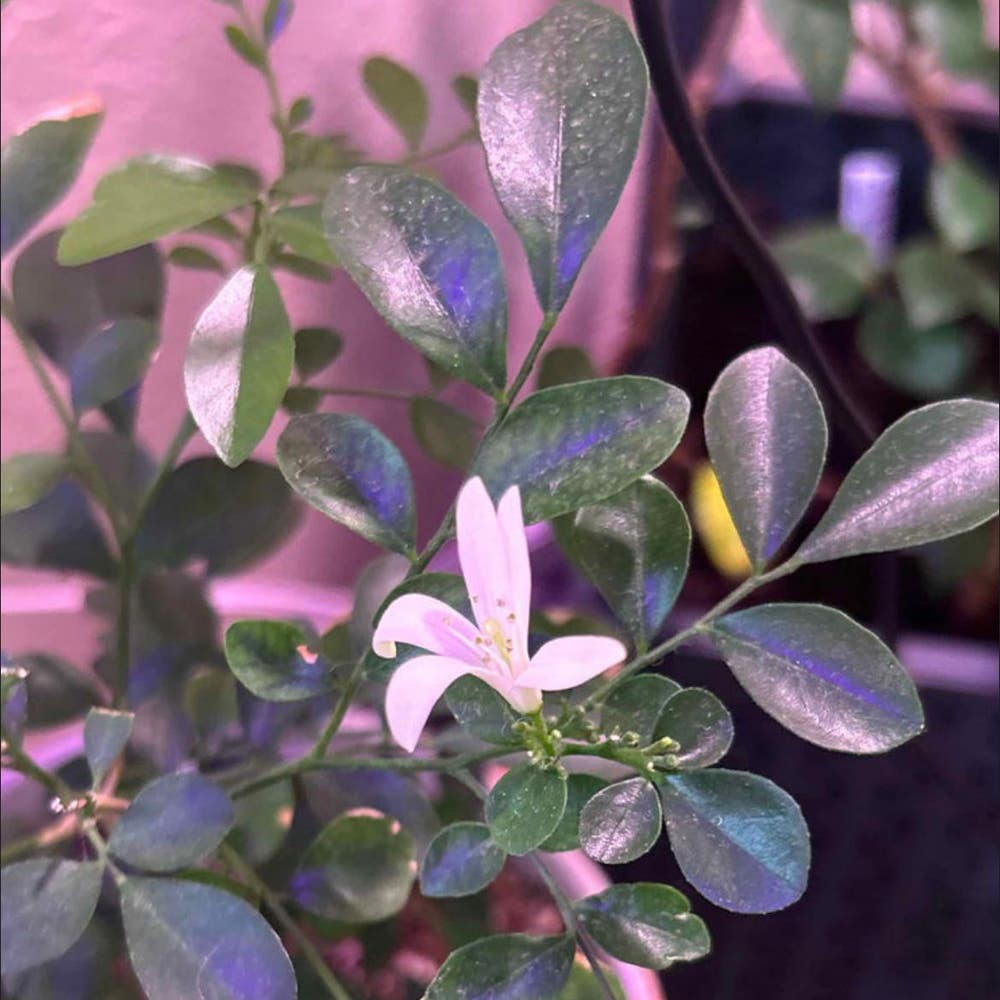
Stuck in a windowless abyss? Fear not. Grow lights are your Mock Orange's new BFF. Full-spectrum fluorescent or LED grow lights mimic the sun's rays, keeping your plant from becoming a sad, bloom-less shadow of itself.
Position the grow light about 12 inches above your plant to avoid leaf burn and set it on a timer for about 12-14 hours a day to simulate natural daylight. Remember, plants need a dark period too, so don't leave the lights on 24/7. It's about creating a cozy balance, not a plant disco.

Let There Be Light (and Blooms!): Light's Role in Flowering
💡 Syncing Light with Flowering Cycles
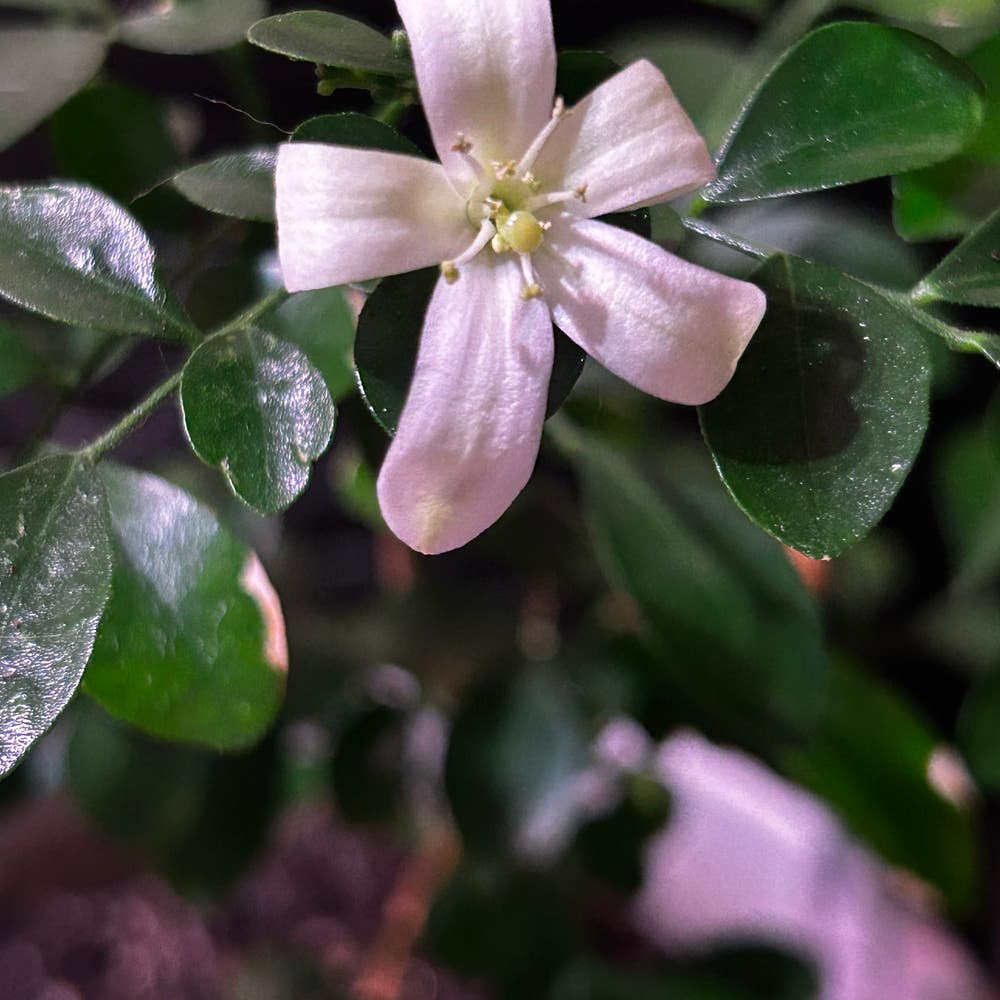
Light is crucial for Mock Orange's bud formation and blooming. These plants need a photoperiod, or daylight hours, that mimic their natural environment to initiate the flowering process. As the seasons change, so does the intensity and duration of sunlight, which can affect the plant's internal clock.
💡 Adjusting Light for Optimal Flowering
To encourage Mock Orange to bloom, seasonal light adjustments are necessary. During spring, provide ample light to support the growth of foliage and the development of flower buds. As summer approaches, be mindful of the stronger sunlight which can be harmful, and consider providing dappled shade. In the shorter days of autumn and winter, maximize light exposure to compensate for the decrease in natural sunlight.

Grow Lights: Mock Orange's Indoor Sun Substitute
💡 Choosing the Right Grow Light
Full-spectrum grow lights are the MVPs for Mock Orange indoors; they mimic the sun's spectrum, giving your plant what it craves. LED lights are the hot ticket—energy-efficient and long-lasting. Fluorescent bulbs can pinch-hit if you're budget-conscious, but they might not go the distance like LEDs.
Positioning is key—aim for a height where leaves bask in light without getting a crispy tan. Timing's a dance; typically, 8-10 hours of light will keep your Mock Orange from throwing a fit. Use a timer to keep the rhythm consistent, because plants can't stand a DJ that's always off-beat.
🕵️ Monitoring and Adjusting Grow Light Use
Is your Mock Orange looking a bit off? A light meter is like a plant therapist—it'll tell you if your green buddy is getting enough light therapy. If leaves are dropping like flies, it's a cry for more light. If they're bleached like 90s boy band hair, dial back the intensity.
Adjust your grow light setup as your Mock Orange grows. Think of it as training wheels; as your plant gains confidence, you might need to tweak the height or duration of light. Keep an eye out for signs of distress or joy—it's all about finding that sweet spot where your Mock Orange thrives.
⚠️ Safety First
This content is for general information and may contain errors, omissions, or outdated details. It is not medical, veterinary advice, or an endorsement of therapeutic claims.
Always consult a qualified healthcare professional before using any plant as food, medicine, or supplement.
Never eat any plant (or feed one to pets) without confirming its identity with at least two trusted sources.
If you suspect poisoning, call Poison Control (800) 222-1222, the Pet Poison Helpline (800) 213-6680, or your local emergency service immediately.
Spotted an error? Please report it here.
Find your Mock Orange's happy place with Greg's PlantVision, ensuring it gets just the right amount of sunshine 🌞 for a stunning bloom.