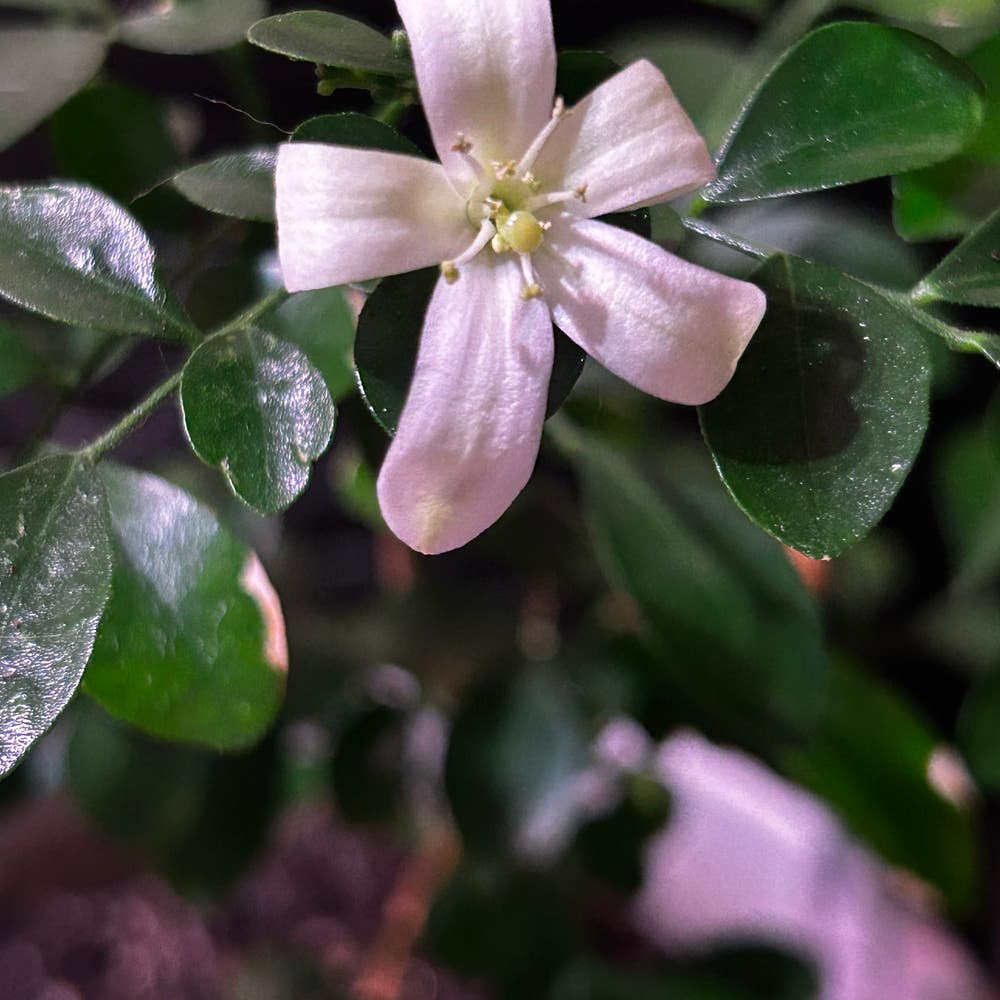
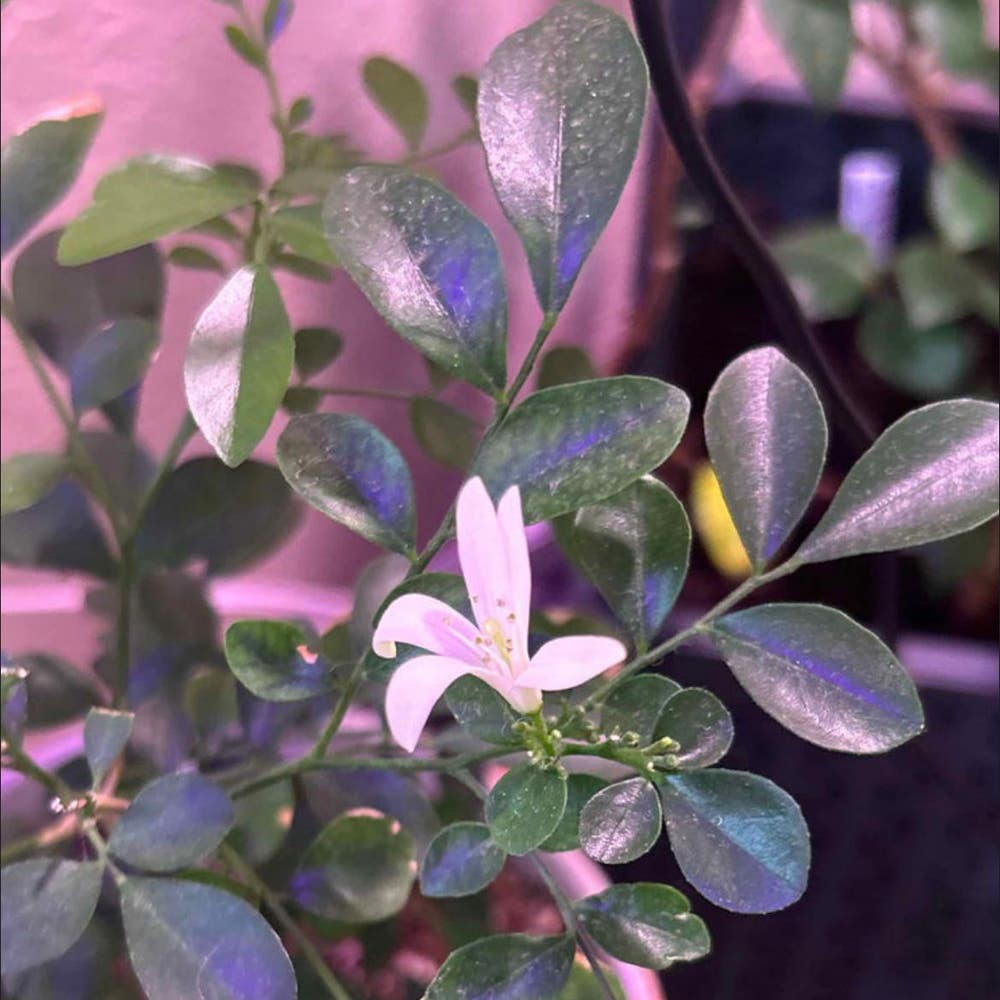
Common Mock Orange Problems
Murraya paniculata
By the Greg Editorial Team
Jun 18, 2024•3 min read
This article was created with the help of AI so we can cover more plants for you. May contain errors. See one? Report it here.
- Water wisely: Balance moisture to prevent wilting or root rot.
- Light and temperature matter: Keep between 12°C-25°C and adjust sun exposure.
- Pest and disease vigilance: Use sprays and fungicides, improve air circulation.
When Your Mock Orange is Thirsty or Drowning
🚰 Inconsistent Watering
Wilting and leaf changes are red flags; they signal your Mock Orange might be parched or waterlogged. To avoid guesswork, establish a watering routine that allows the soil to dry slightly between sessions.
🌊 Over-watering vs. Under-watering
Root rot and dry spells leave different fingerprints. Over-watering often results in yellowing leaves and a foul soil odor, while under-watering leads to brittle stems and stunted growth. Balance is achieved by watering based on soil moisture, not a calendar.

Light and Temperature: The Balancing Act
🌞 Too Much or Too Little Light
Mock Orange plants are sun worshippers with a preference for the golden mean. Discoloration of leaves can signal distress from improper lighting. Too much sun leads to bleached, sunburnt foliage, while too little results in dark, limp leaves yearning for light.
To strike a balance, adjust your plant's exposure gradually. Rotate your Mock Orange to ensure even light distribution, preventing favoritism on any side. Remember, bright, indirect light is the sweet spot for this botanical beauty.
🌡️ Temperature Swings
Mock Orange doesn't take kindly to the rollercoaster of temperature extremes. Weather fluctuations can stress the plant, manifesting in poor growth and a lackluster appearance.
The ideal temperature range for a thriving Mock Orange is between 12°C and 25°C. Shield it from direct heat sources and chilly drafts. Consistency is key—avoid placing your plant in spots where temperature swings are common. Monitor local humidity as well, as it can amplify temperature stress.

Unwanted Guests: Tackling Pests and Diseases
🐛 Pest Infestations
Aphids, scale, and spider mites are the bane of Mock Orange's existence. These pests are like bad roommates, overstaying their welcome and wreaking havoc. You'll spot them by the tell-tale signs of webbing, stunted growth, or a sticky residue they leave behind.
To show these freeloaders the door, start with a forceful water spray to dislodge them. If they're stubborn, escalate to insecticidal soap or neem oil, which are like eviction notices for pests. For a more targeted approach, consider miticides, but consult local extension services to ensure it's the best fit for your Mock Orange.
🍄 Mold and Fungus Attacks
Spotted leaves? That's the signature of a fungal invasion. Fungal foes like powdery mildew and leaf spot can turn a thriving Mock Orange into a botanical horror story.
Improve air circulation around your plant to make it less inviting for mold and fungus. If they've already moved in, fungicides can be the equivalent of a deep clean. Remember, prevention is key—keep the foliage dry and tidy up any fallen leaves to minimize the risk of future outbreaks.

Environmental Stress Signals
🌞 Leaf Scorching
Mock Orange plants can throw a tantrum when exposed to too much sun. Crispy edges and a browning complexion are tell-tale signs of leaf scorching. To combat this, it's essential to provide shade and shelter, especially during the peak hours of sunlight. Think of it as applying sunscreen to your plant; it's all about protection.
🚰 Root Rot
If your Mock Orange is giving off a foul smell or its growth has hit a wall, root rot could be the culprit. This condition is often a result of overwatering or poor drainage. Early detection is key, so keep your nose on alert and your eyes peeled for any discolored or mushy roots. Addressing root rot may require some plant surgery, removing the affected areas, and reviving the soil with better drainage to prevent a relapse.
⚠️ Safety First
This content is for general information and may contain errors, omissions, or outdated details. It is not medical, veterinary advice, or an endorsement of therapeutic claims.
Always consult a qualified healthcare professional before using any plant as food, medicine, or supplement.
Never eat any plant (or feed one to pets) without confirming its identity with at least two trusted sources.
If you suspect poisoning, call Poison Control (800) 222-1222, the Pet Poison Helpline (800) 213-6680, or your local emergency service immediately.
Spotted an error? Please report it here.
Combat common Mock Orange woes and flourish 🌿 with Greg's personalized care reminders, ensuring your plant gets the perfect amount of water, light, and warmth.