🌼 Why Orange Jessamine Is Not an Annual
Murraya paniculata
By the Greg Editorial Team
Nov 08, 2024•3 min read
This article was created with the help of AI so we can cover more plants for you. May contain errors. See one? Report it here.
- 🌱 Orange Jessamine is a perennial, thriving for years in tropical and subtropical climates.
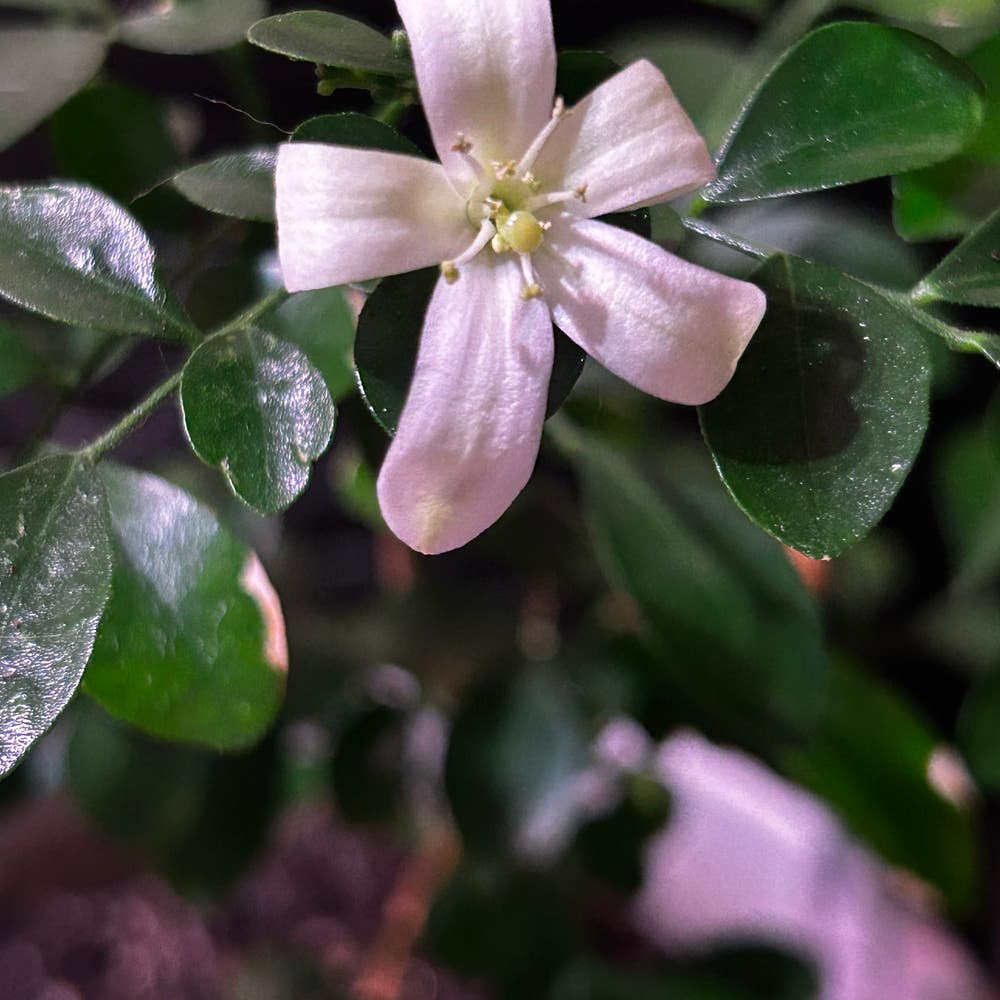
- 🌼 It blooms year-round, attracting pollinators and enhancing garden beauty with fragrance.
- 🌳 Versatile growth as a shrub or small tree makes it ideal for diverse garden designs.
Orange Jessamine's Perennial Nature
🌱 Genetic Characteristics
Orange Jessamine, scientifically known as Murraya paniculata, is a remarkable perennial plant. Its genetic traits are finely tuned for long-term survival, allowing it to adapt and thrive in a variety of climates.
💪 Resilience
This plant showcases impressive resilience, making it a favorite in diverse environments. Whether in tropical or subtropical regions, Orange Jessamine flourishes, demonstrating its robust genetic makeup.
🌿 Physiological Traits Supporting Perennial Growth
Leaf Structure
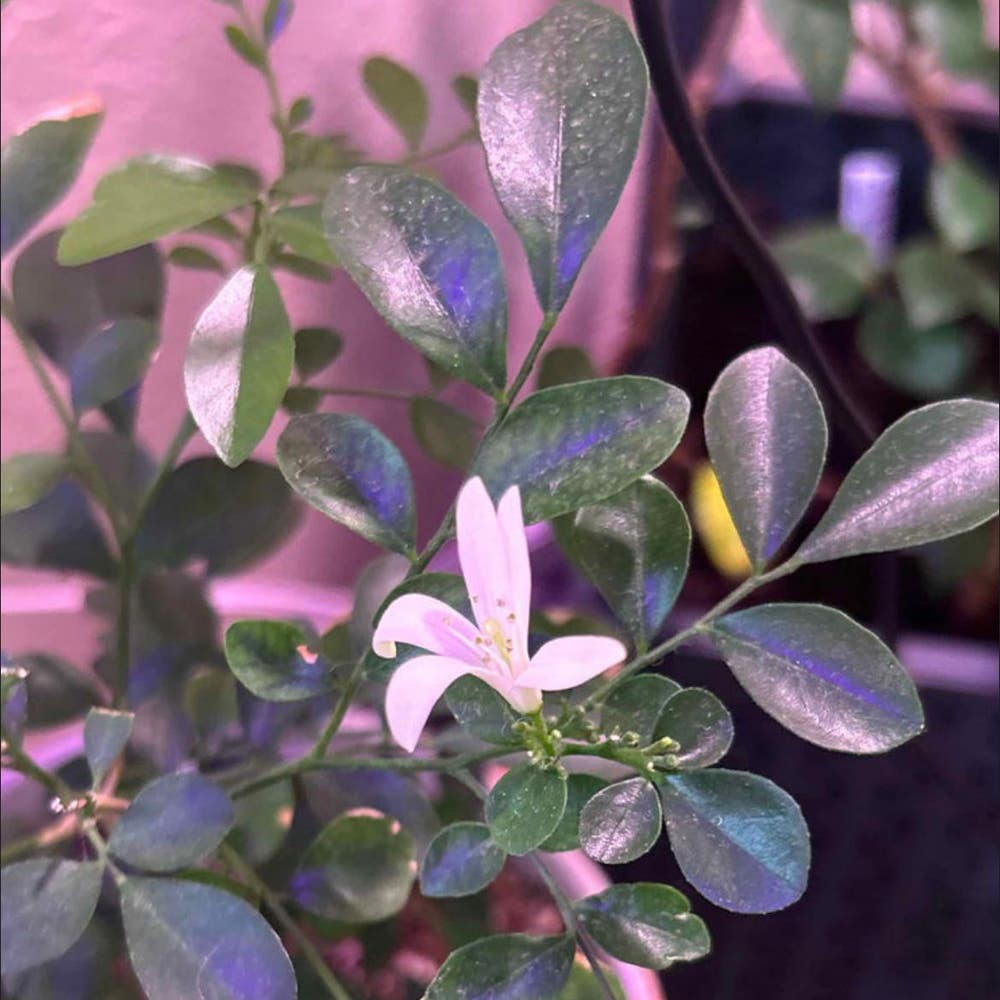
The glossy green leaves of Orange Jessamine play a crucial role in its perennial nature. These leaves enhance photosynthesis, ensuring the plant captures ample sunlight for energy.
Root System
Its deep and extensive root system is another key feature. This allows for efficient nutrient and water absorption, supporting the plant's growth and longevity.
Growth Habit
Orange Jessamine can grow as either a shrub or a small tree. This versatility contributes to its long lifespan and adaptability in various garden settings.
⏳ Long-Term Lifecycle and Growth Patterns
Lifespan
Typically, Orange Jessamine has a lifespan of several years, with some specimens living for decades. This longevity is a hallmark of its perennial classification.
Growth Patterns
The plant exhibits continuous growth, with seasonal variations that keep it dynamic throughout the year. This adaptability allows it to thrive in changing environmental conditions.
🌼 Reproductive Strategies
Flowering Cycles
One of the most fascinating aspects of Orange Jessamine is its flowering cycles. It produces multiple blooms throughout the year, adding beauty and fragrance to any garden.
Seed Production
Seed production occurs continuously during the growing season. This contrasts sharply with annual plants, which often have a single, concentrated reproductive phase.
🌸 Gardening Implications
Benefits of Incorporating in Garden Design
Incorporating Orange Jessamine into garden design offers numerous benefits. Its fragrant flowers and lush foliage provide aesthetic appeal, while also attracting pollinators and beneficial insects.
Year-Round Interest
With its continuous growth and flowering cycles, Orange Jessamine ensures year-round interest in the garden. This makes it a valuable addition for any gardening enthusiast.
✂️ Tips for Managing as a Perennial
Pruning Techniques
To encourage healthy growth and flowering, regular pruning is essential. This helps maintain the plant's shape and promotes new growth.
Pest Management
Be aware of common pests that may affect Orange Jessamine. Employing organic control methods can help keep these pests at bay without harming the plant.
Seasonal Care
Adjusting care practices based on seasonal changes is crucial. This ensures that the plant receives the right amount of water and nutrients throughout the year.
In summary, understanding the perennial nature of Orange Jessamine enriches our gardening experience. Its genetic and physiological traits, along with its reproductive strategies, make it a standout choice for any garden enthusiast. Next, we will explore the gardening implications of this beautiful plant, focusing on its benefits and management tips.
⚠️ Safety First
This content is for general information and may contain errors, omissions, or outdated details. It is not medical, veterinary advice, or an endorsement of therapeutic claims.
Always consult a qualified healthcare professional before using any plant as food, medicine, or supplement.
Never eat any plant (or feed one to pets) without confirming its identity with at least two trusted sources.
If you suspect poisoning, call Poison Control (800) 222-1222, the Pet Poison Helpline (800) 213-6680, or your local emergency service immediately.
Spotted an error? Please report it here.
Unlock the perennial beauty of Orange Jessamine 🌼 with Greg's tailored care tips and reminders, ensuring your garden flourishes all year long!