How and When Should I Cut Back My Mock Orange?
Murraya paniculata
By the Greg Editorial Team
Jun 18, 2024•4 min read
This article was created with the help of AI so we can cover more plants for you. May contain errors. See one? Report it here.
- Post-flowering pruning boosts next season's blooms.
- 🌡️ Climate dictates timing to avoid frost damage.
- ✂️ Use sharp, sterilized tools for healthy cuts.
When to Wield the Shears: Timing Your Pruning
🌸 Post-Bloom Period
Right after the last bloom fades, that's your cue. Pruning post-flowering allows Mock Orange to channel energy into next season's growth rather than seed production.
Seasonal Considerations
Climate dictates timing. In colder regions, early spring pruning risks frost damage to new cuts. Conversely, in milder climates, late winter pruning is ideal, prepping the plant for a robust spring comeback.

Tools of the Trade: Gearing Up for Pruning
🔪 Choosing Your Tools
Pruning your Mock Orange isn't a hack job, so choose wisely. You'll want a pair of sharp pruning shears for most snips, ensuring clean cuts and happy plants. For branches that laugh at shears, arm yourself with lopping shears or a hand saw. Remember, hedge shears are for hedges; your Mock Orange deserves better.
🧼 Keeping it Clean
Tool cleanliness isn't just for the obsessively neat. It's about plant health. Before you make the first cut, sterilize your tools with alcohol. Think of it as a pre-op scrub. Post-pruning, give them another clean to avoid turning your shears into vectors for the next plant pandemic. Regular sharpening? Non-negotiable. A sharpening stone can keep your blades in slicing nirvana. Keep it up, and your Mock Orange will thank you with blooms that turn neighbors green with envy.

The Art of the Snip: Pruning Techniques for Mock Orange
🌱 Thinning Out
Thinning your Mock Orange isn't just about snipping willy-nilly. Target the older, woody branches to improve airflow and light penetration. This encourages new growth and a healthier plant. Remember, it's a thinning operation, not a full-scale chop.
✂️ Shaping the Shrub
When shaping, think of your Mock Orange as a wild hairstyle that just needs a little taming. Trim to maintain its natural form, cutting just above a leaf node for the best regrowth. Balance is key—don't turn your shrub into a geometric oddity unless that's your jam.
🌿 Rejuvenation Tactics
Got an overgrown Mock Orange that's seen better days? Rejuvenation pruning is your friend. Start by removing any dead or diseased wood. Then, cut back up to one-third of the older stems to ground level to spur new life. It's like hitting the reset button on your shrub's life cycle.

Pruning with Purpose: Objectives and Techniques
💐 Flower Power
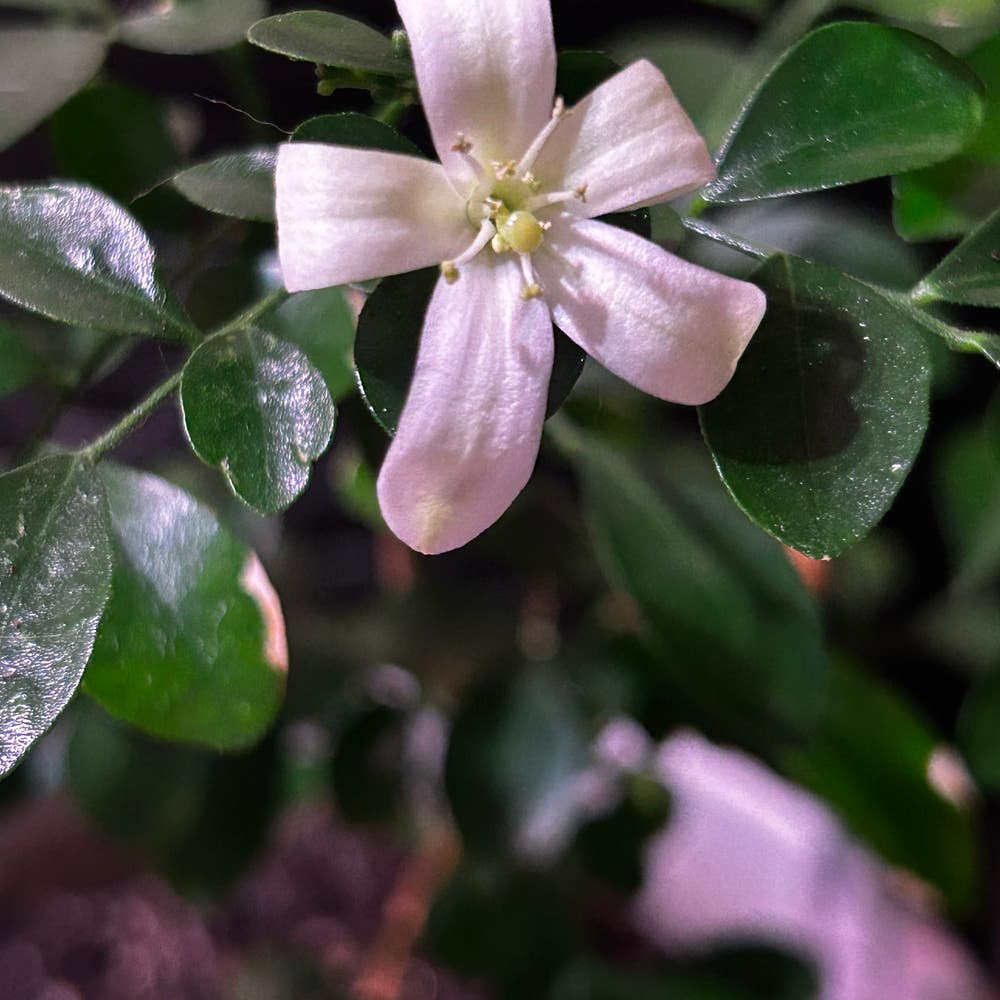
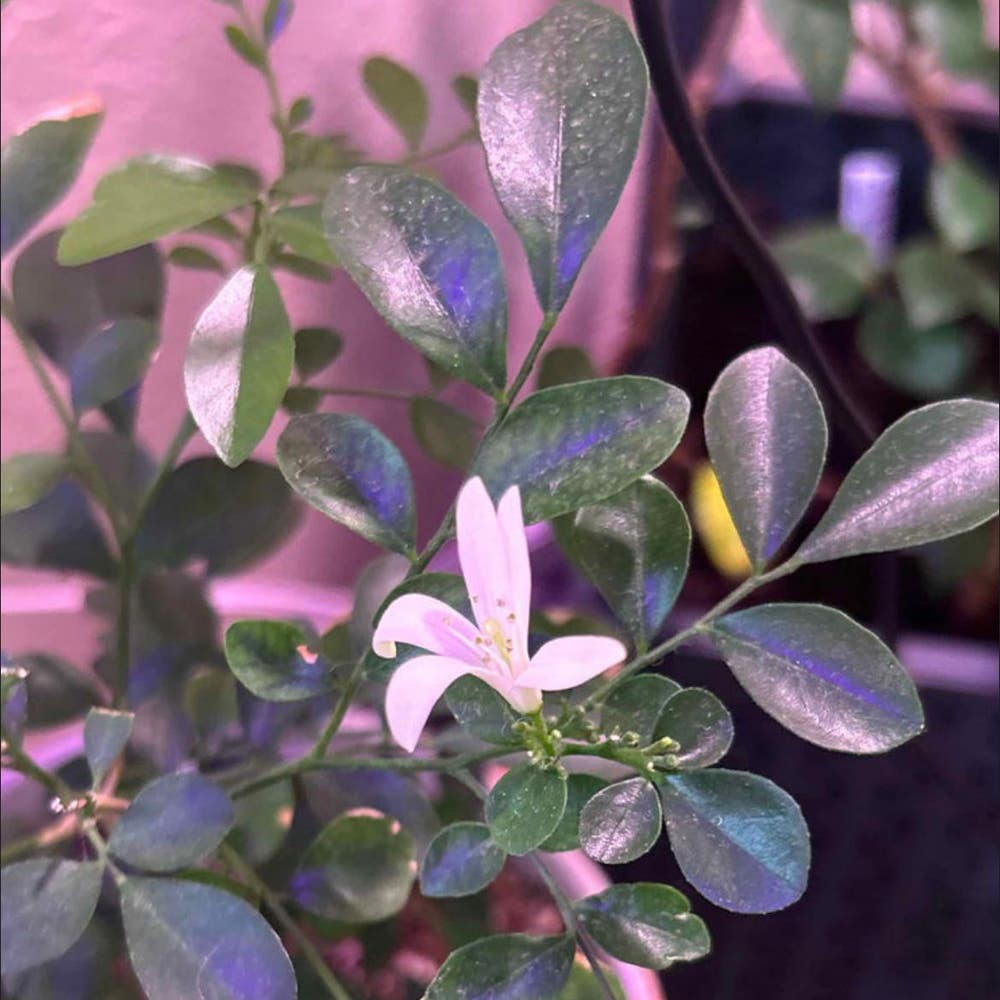
To maximize blooms next season, timing your pruning is key. Snip right after the Mock Orange's flowering finishes to avoid cutting off future buds. This strategic timing encourages the plant to channel energy into producing new flowers rather than maintaining old growth.
📏 Controlling the Contours
Pruning isn't just about flowers; it's about managing size and shape to fit your garden space. Get rid of dead or diseased branches to maintain the Mock Orange's health and appearance. Remember, the goal is to enhance the plant's natural form, not to create a topiary spectacle. Keep it smart and stylish, and let the plant's inherent beauty shine.
Aftercare: Ensuring a Speedy Recovery
💧 Post-Pruning Care
After pruning your Mock Orange, watering is crucial. Your shrub needs to hydrate to heal those fresh cuts, but don't drown it in your enthusiasm. Ease up on the watering can; with fewer leaves, the plant's thirst isn't as big as before.
Feeding your Mock Orange is next. Hold off on the heavy meals—no full-strength fertilizer just yet. Think of it like a light snack, maybe a gentle dose of vitamin B complex, to give the roots a boost without overwhelming them.
👀 Monitoring Growth
Keep a vigilant eye on your Mock Orange as it recovers. New growth is your thumbs-up, while wilting is a red flag. If you spot any pests or diseases, act fast—like a plant doctor on call. Adjust care as needed because one size does not fit all, especially in plant care.
Remember, clean-up isn't just about aesthetics. Remove fallen leaves or debris to prevent any disease from setting up camp. It's not just about survival; it's about thriving.
⚠️ Safety First
This content is for general information and may contain errors, omissions, or outdated details. It is not medical, veterinary advice, or an endorsement of therapeutic claims.
Always consult a qualified healthcare professional before using any plant as food, medicine, or supplement.
Never eat any plant (or feed one to pets) without confirming its identity with at least two trusted sources.
If you suspect poisoning, call Poison Control (800) 222-1222, the Pet Poison Helpline (800) 213-6680, or your local emergency service immediately.
Spotted an error? Please report it here.
Ensure your Mock Orange is pruned to perfection 🌿 with Greg's tailored reminders, helping you time those crucial snips for a spectacular bloom season.