🌼 What Do Mock Orange Flowers Mean?
Murraya paniculata
By the Greg Editorial Team
Jun 18, 2024•3 min read
This article was created with the help of AI so we can cover more plants for you. May contain errors. See one? Report it here.
- Symbol of love and innocence, ideal for weddings and celebrations.
- Blooms in late spring with a tranquil, healing fragrance.
- Full sun, well-drained soil, and pruning are key to vibrant flowers.
Unveiling the Symbolism
🌼 Historical Roots of Mock Orange Symbolism
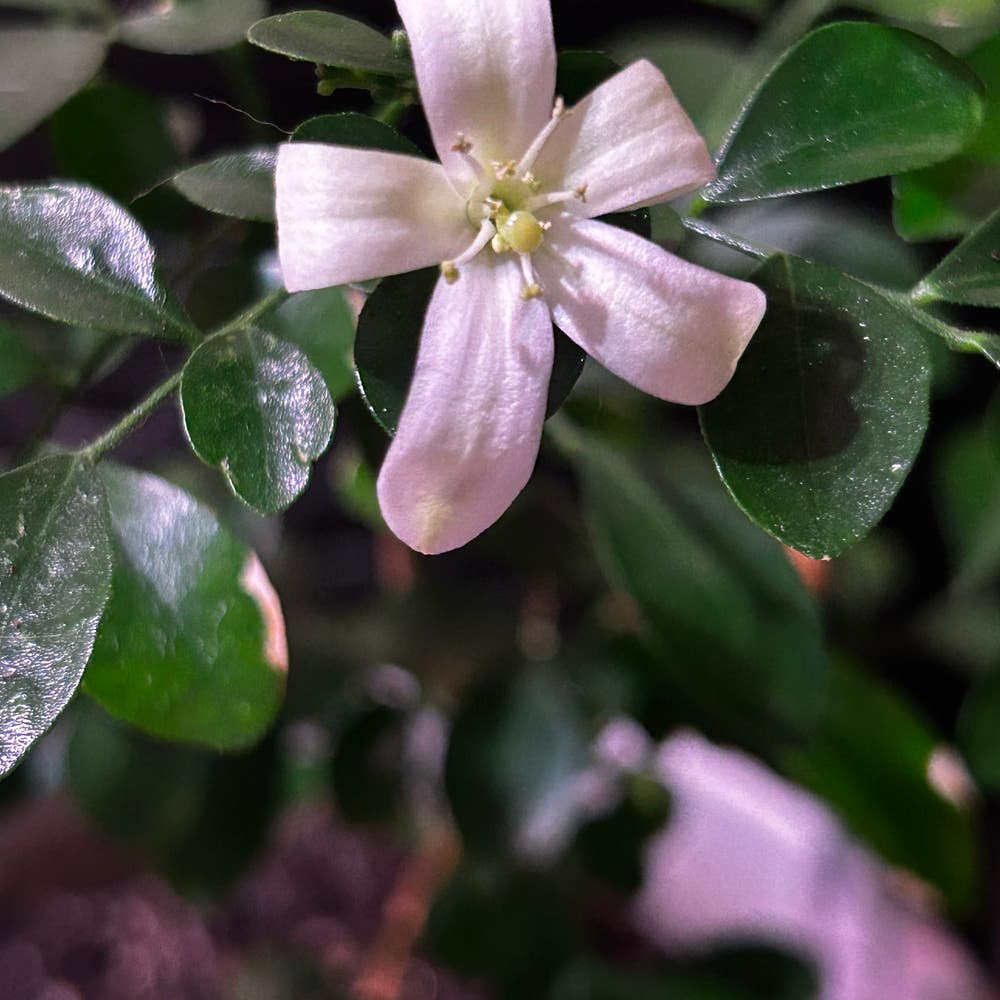
The Mock Orange plant, with its intoxicating fragrance and pure white blossoms, has a history of being mistaken for the true orange tree. Yet, it stands apart with its own rich tapestry of meanings woven through time.
🎉 Mock Orange in Love and Celebration
In the realm of affection, Mock Orange is akin to a love letter in floral form. It's a traditional emblem for both love and innocence, making it a sought-after guest in bridal bouquets and festive garlands.
✨ Spiritual and Healing Connotations
Beyond the romantic, Mock Orange blooms carry a spiritual whisper. Their heady scent is said to elevate the soul, while their presence in gardens is believed to invite a sense of healing and tranquility.

The Secrets to a Spectacular Bloom
🌸 Timing and Frequency of Mock Orange Flowering
Late spring is the Mock Orange's time to shine, typically unfurling its fragrant blooms in April and May. Don't expect a repeat performance; this is a once-a-year extravaganza.
🌞 Prime Conditions for Flowering
Sunlight is the Mock Orange's best friend, with a preference for full exposure. However, it's not a sun snob; it tolerates some shade. Well-drained soil is non-negotiable, and a mild pH preference means it's not too picky. It thrives in zones 8-10, so if you're in the right spot, you're golden.
✂️ Pruning and Care Tips
Pruning is like a spa day for Mock Orange—essential for rejuvenation. Post-bloom pruning encourages growth and sets the stage for next year's show. Regular watering, adjusted seasonally, keeps it happy without getting its feet too wet. Remember, it's all about balance.

Mock Orange's Message in Life's Milestones
💐 Weddings and Celebrations
Mock Orange blooms are a staple for weddings, embodying purity and the promise of enduring love. Their fragrant white flowers and lush greenery provide a natural elegance to bouquets and decorations, symbolizing the new beginnings and the joyous union of two lives.
🕯️ Commemorations and Memorials
In moments of remembrance, Mock Orange flowers serve as a tribute to life's transitory beauty. Their presence in memorials or commemorative events honors the cycle of life and death, offering comfort and a sense of peace to those mourning or reflecting on past joys.

Cultivating Your Own Blooming Mock Orange
💩 Soil and Fertilization Best Practices
To set the stage for a flourishing Mock Orange, start with the soil. It craves well-drained ground, so if you're working with clay, mix in some organic matter to lighten it up. Fertilization is like a spice—use it, but don't overdo it. A balanced, slow-release fertilizer in early spring does the trick, fueling your plant without overwhelming it.
💧 Watering and Light Requirements
Mock Orange is not a diva when it comes to light, but it does its best work in full sun. It can handle some shade, but too much and it'll give you leaves over blooms. Watering should be Goldilocks-style—not too much, not too little. Keep the soil moist, especially when buds are forming, but let it dry out a bit between waterings to prevent root rot.
🛠 Troubleshooting Lack of Flowers
If your Mock Orange is on strike and not blooming, consider a few potential culprits. Overwatering is a common misstep—curling leaves will tip you off. Also, check your pruning schedule. These plants bloom on last year's growth, so if you get scissor-happy at the wrong time, you might be snipping away your chances for flowers. Lastly, give it a nutrient check—a soil test can reveal if it's missing something vital or if you've been too generous with the fertilizer.
⚠️ Safety First
This content is for general information and may contain errors, omissions, or outdated details. It is not medical, veterinary advice, or an endorsement of therapeutic claims.
Always consult a qualified healthcare professional before using any plant as food, medicine, or supplement.
Never eat any plant (or feed one to pets) without confirming its identity with at least two trusted sources.
If you suspect poisoning, call Poison Control (800) 222-1222, the Pet Poison Helpline (800) 213-6680, or your local emergency service immediately.
Spotted an error? Please report it here.
Nurture your Mock Orange to flourish with love 🌼 using Greg's personalized care plan, ensuring a fragrant symbol of tranquility in your garden each spring.