Fertilizing My Mock Orange
Murraya paniculata
By the Greg Editorial Team
Jun 18, 2024•3 min read
This article was created with the help of AI so we can cover more plants for you. May contain errors. See one? Report it here.
- Balanced NPK (10-10-10 or 20-20-20) is ideal for Mock Orange.
- Fertilize late spring annually; extra round only if soil test suggests.
- Over-fertilization signs: yellow leaves, brown tips. Flush soil to recover.
Picking the Perfect Fertilizer for Your Mock Orange
💡 Understanding NPK Ratios
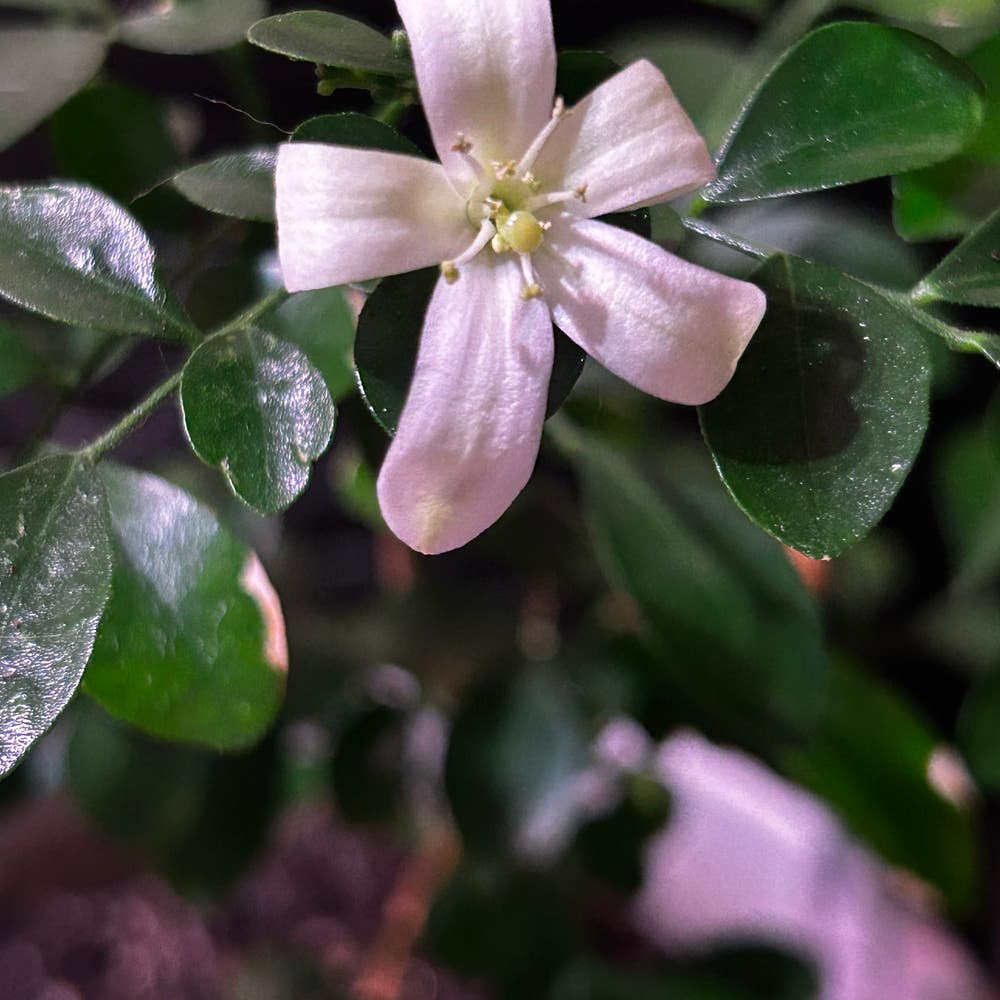
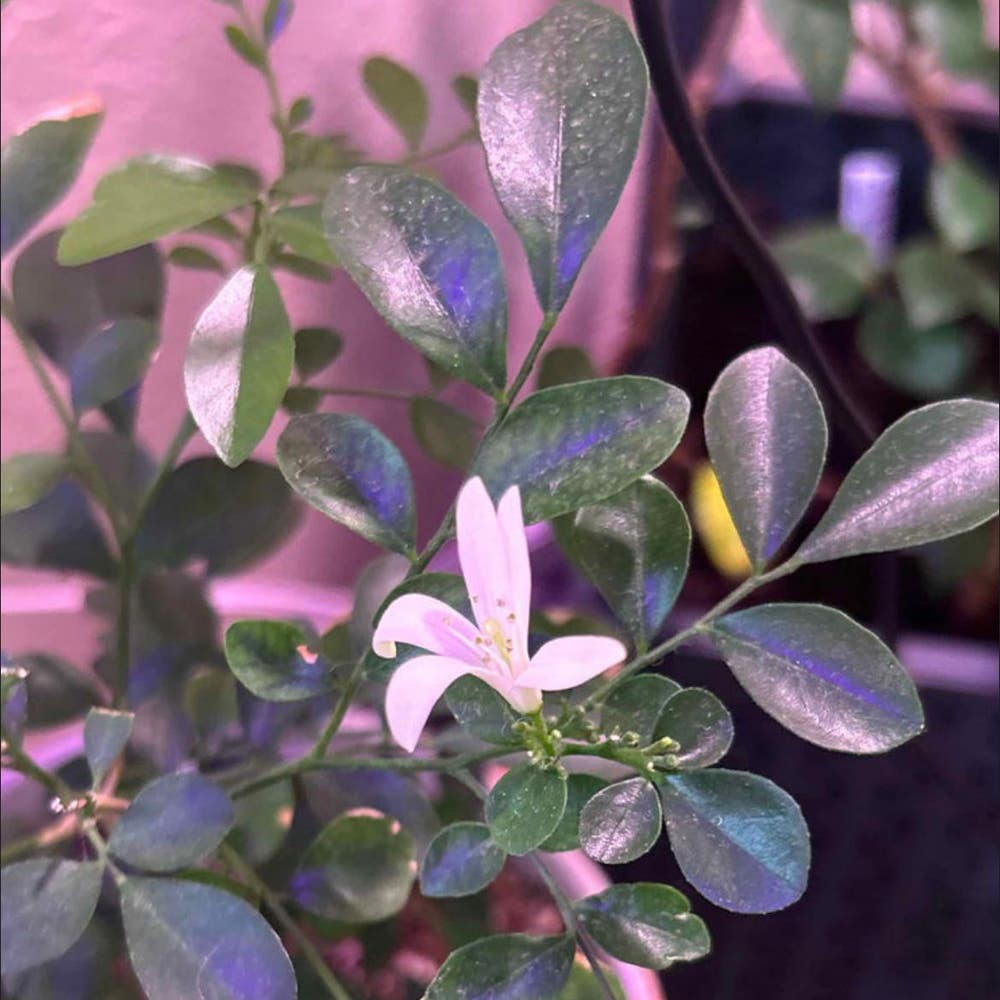
Mock Orange craves balance in its diet. Aim for an NPK ratio where nitrogen (N), phosphorus (P), and potassium (K) share the spotlight equally. Think 10-10-10 or 20-20-20. This trio of nutrients is like the holy grail for your Mock Orange's health, promoting lush foliage and those coveted fragrant blooms.
🍽️ Organic vs. Synthetic: What's Best for Blooms?
Organic fertilizers are the slow food movement of garden care. They release nutrients at a leisurely pace, nurturing your Mock Orange and the soil's ecosystem. Synthetic fertilizers, on the other hand, are the fast food option—quick, potent, and a bit risky. They can give your blooms a rapid boost, but overdo it and you'll be dealing with the equivalent of a nutrient hangover. Choose wisely: organic for sustainability, synthetic for a speedy fix.

Timing is Everything: When to Fertilize
🌱 Kickstarting Growth in Early Spring
Spring heralds a new beginning for your Mock Orange, and that's your cue to fertilize. Late spring, specifically, is when you should give your shrub its first nutrient boost of the year. This primes it for a productive bloom cycle.
Keeping Up with Feeding Schedules
Your Mock Orange doesn't need a feast of nutrients; think of it more like a steady diet. Fertilize annually, and you're set. If you're feeling particularly attentive, a soil test can tell you if an extra round is warranted, but don't make it a habit. Overindulgence leads to trouble, and nobody wants a bloated Mock Orange.

The Right Way to Feed Your Mock Orange
💡 Dosage Matters
Mock Orange, with its low-maintenance vibe, doesn't need a buffet of nutrients. Balanced is the keyword here. A 10-10-10 or 20-20-20 NPK ratio fertilizer will do the trick. Think of it as a well-rounded diet for your shrub. Too much, and you're tipping the scales towards nutrient overdose, which is a real party pooper for your plant's health.
🌱 Application Techniques
When applying fertilizer, precision is your best friend. Don your gloves and mask—safety first—and follow the label like it's the holy grail of gardening. Slow-release fertilizers are the Mock Orange's jam, providing a steady flow of nutrients without the drama of burn or shock. Water it in post-application to kickstart the nutrient absorption. Remember, the goal is to support, not overwhelm, your Mock Orange's root system.

Recognizing and Fixing Over-Fertilization
🚨 Spotting Trouble
When your Mock Orange starts looking more like a flop than a floral wonder, it's time to eye the fertilizer bag with suspicion. Yellowing leaves, brown tips, or foliage that's crispier than your favorite potato chip are your Mock Orange crying out, "I'm stuffed!" Roots that look like they've been barbecued are also a dead giveaway. If these symptoms popped up right after you've fertilized, it's likely you've gone overboard.
🛠️ The Recovery Plan
First, stop the nutrient flow. Remove any visible fertilizer from the soil like you're defusing a bomb. Then, it's time for some serious hydration therapy—flush the soil with water to dilute the excess fertilizer. This might be a repeat affair every few days, so get comfortable. Pruning the damaged leaves is like cutting your losses; they're not making a comeback. If things look dire, a soil swap might just be the Mock Orange's ticket to revival. Remember, moderation is key—when you resume feeding, think half-strength to avoid a repeat performance.
⚠️ Safety First
This content is for general information and may contain errors, omissions, or outdated details. It is not medical, veterinary advice, or an endorsement of therapeutic claims.
Always consult a qualified healthcare professional before using any plant as food, medicine, or supplement.
Never eat any plant (or feed one to pets) without confirming its identity with at least two trusted sources.
If you suspect poisoning, call Poison Control (800) 222-1222, the Pet Poison Helpline (800) 213-6680, or your local emergency service immediately.
Spotted an error? Please report it here.
Achieve a spectacular bloom 🌼 with Greg's personalized fertilizing reminders and expert tips, ensuring your Mock Orange dazzles without the risk of over-fertilization.