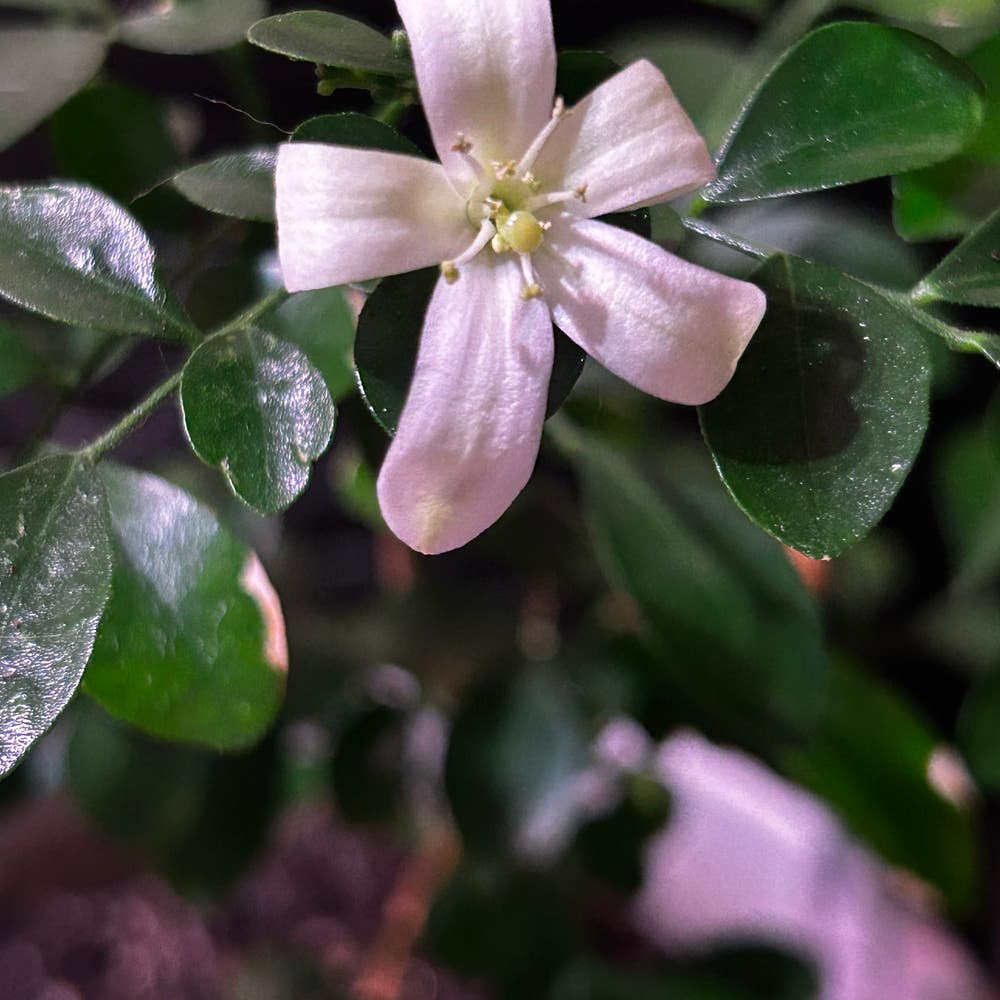
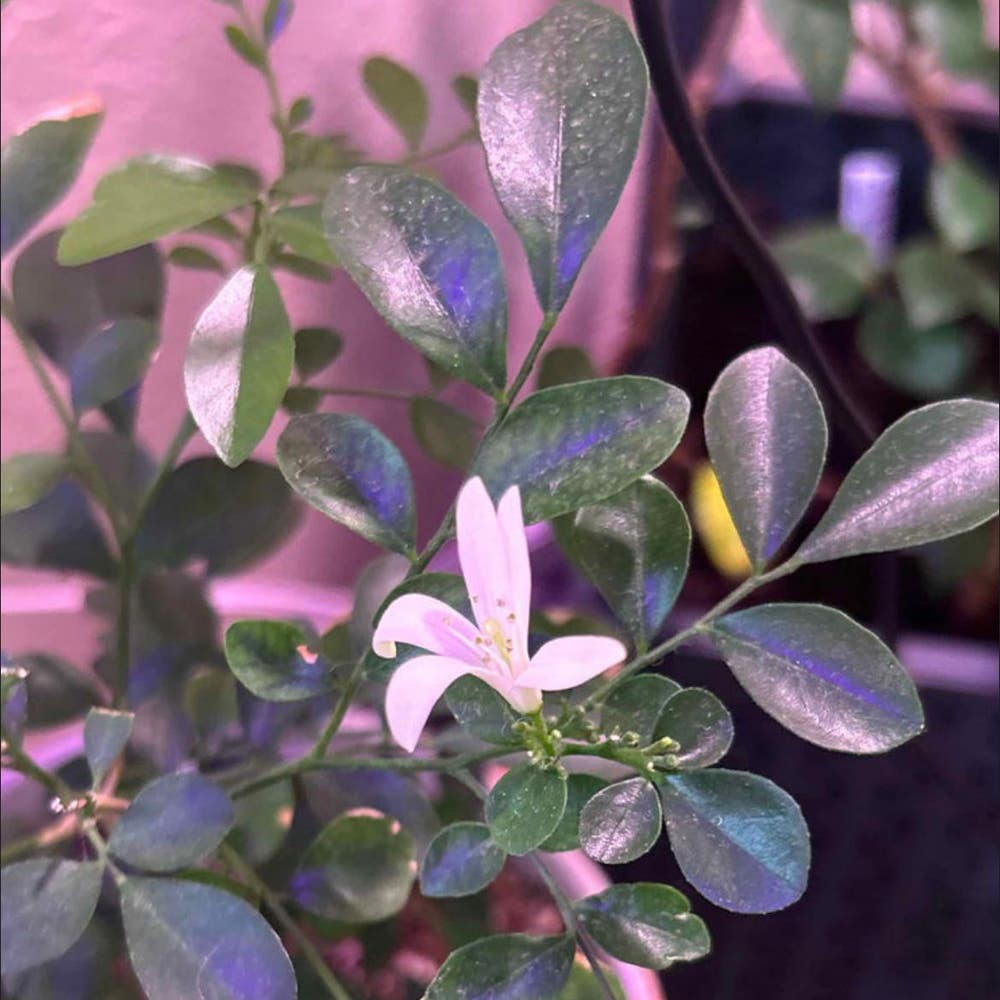
Why Are My Mock Orange Leaves Falling Over?
Murraya paniculata
By the Greg Editorial Team
Jun 18, 2024•4 min read
This article was created with the help of AI so we can cover more plants for you. May contain errors. See one? Report it here.
- Overwatering? Look for yellow leaves, soggy soil, and root rot stench.
- Underwatering? Watch for drooping leaves, dry soil, and stunted growth.
- Balance care routines to prevent drooping and ensure Mock Orange thrives.
When Overwatering Takes Its Toll
🚱 Spotting the Signs of Excess Water
Yellowing leaves and a soggy soil embrace are your first clues that your Mock Orange is getting more hydration than it can handle. If the leaves sport red and orange spots, it's not a fall fashion statement; it's a cry for help against potential fungal invaders. Mushy stems are the plant's equivalent of a weak handshake; they indicate a compromised structure. And if sniffing the soil makes you recoil—think "eau de decay"—that's the stench of root rot setting in.
🌊 Saving the Soaked
First, hold off on the watering; your Mock Orange isn't auditioning for a swim team. Check the drainage—if the pot's as watertight as a submarine, it's time for a repot with well-draining soil. If the roots are brown and slimy, it's surgery time: trim the rot away. After the operation, let the plant dry out before giving it a modest drink. Remember, moderation is key—watering should be more like sipping a fine wine, not chugging a gallon of milk.

The Thirsty Mock Orange Dilemma
🏜️ Wilting Woes: Recognizing Underwatering
Drooping Mock Orange leaves may signal a cry for water. If the leaves resemble a weary traveler in a desert, it's time to investigate. Dry soil is a dead giveaway, feeling barren to the touch. Look for leaves that have lost their vigor, appearing as lifeless as an old, deflated party balloon. Stunted growth is another red flag; if your Mock Orange seems to be growing at a snail's pace, consider dehydration the likely culprit.
Quenching the Thirst
To revive your Mock Orange, balance is key. Start by deeply watering the soil, ensuring moisture reaches the roots without turning the area into a swamp. If the soil feels like the Sahara, give it a thorough soak, but don't drown it; think of it as a refreshing drink, not a flood. Use a moisture meter if you're unsure; it's like a plant's personal hydration coach. Remember, consistent watering is the secret sauce to lush, perky leaves.

Battling Environmental Bullies
🌦️ Shielding from Extreme Weather
Temperature extremes can make a Mock Orange's leaves droop like a disappointed parent. To prevent this, position your plant where it's protected from the scorching midday sun and the frosty bite of cold snaps. Think of it as a cozy nook that shields from nature's mood swings.
💡 Let There Be (The Right Amount of) Light
Mock Orange plants need their light just right—bright but not direct, like the perfect pair of sunglasses. Use sheer curtains to soften the sun's glare or place them in a spot that gets filtered light. If your indoor lighting is more gloomy than a rainy Monday, consider an LED or fluorescent bulb to brighten things up. Remember, light is a plant's best friend, but only when it's the right kind.

The Road to Recovery
🌱 Mending the Roots
After root rot has been addressed, it's time to focus on the roots' revival. Trim the damaged parts carefully, ensuring you only remove the affected areas. Sterilize your tools to avoid spreading any pathogens. Once pruning is done, consider a fungicide treatment for the remaining healthy roots to prevent future infections. Repot your Mock Orange in fresh, well-draining soil, and remember, this is not a race; allow the roots to strengthen before any further repotting.
💧 Adjusting Care to Prevent Future Flops
Watering is the lifeline of your Mock Orange, but it's also a potential death sentence if not done correctly. Water deeply only when the topsoil feels dry, and let it dry out again before the next watering. Keep a vigilant eye on your plant as it recovers, adjusting your care routine based on its response. If the leaves perk up, you're on the right track; if not, reassess your approach. Regularly inspect the root system and be ready to act if signs of stress reappear. Remember, consistent care is key to keeping those leaves upright and avoiding future flops.
⚠️ Safety First
This content is for general information and may contain errors, omissions, or outdated details. It is not medical, veterinary advice, or an endorsement of therapeutic claims.
Always consult a qualified healthcare professional before using any plant as food, medicine, or supplement.
Never eat any plant (or feed one to pets) without confirming its identity with at least two trusted sources.
If you suspect poisoning, call Poison Control (800) 222-1222, the Pet Poison Helpline (800) 213-6680, or your local emergency service immediately.
Spotted an error? Please report it here.
Ensure your Mock Orange thrives, not wilts 🍂, with Greg's personalized watering reminders tailored to keep your plant's soil perfectly balanced.