10 Advantages Of Having A Lithops
Lithops bromfieldii
By the Greg Editorial Team
Jun 18, 2024•4 min read
This article was created with the help of AI so we can cover more plants for you. May contain errors. See one? Report it here.
Embrace the charm of Lithops 🌵—the quirky, low-care stones that enliven your space with desert resilience.
- Low maintenance and drought tolerant, perfect for busy or forgetful plant owners.
- Unique, stone-like appearance adds a surreal touch to any space.
- Symbolizes endurance and patience, reflecting cultural significance and sustainable living.
Advantages of Having a Lithops
🌵 Low Maintenance
Effortless care makes Lithops a dream for the time-strapped or green-thumb-challenged. They ask for little but give back much, thriving with minimal fuss.
🦎 Unique Aesthetic Appeal
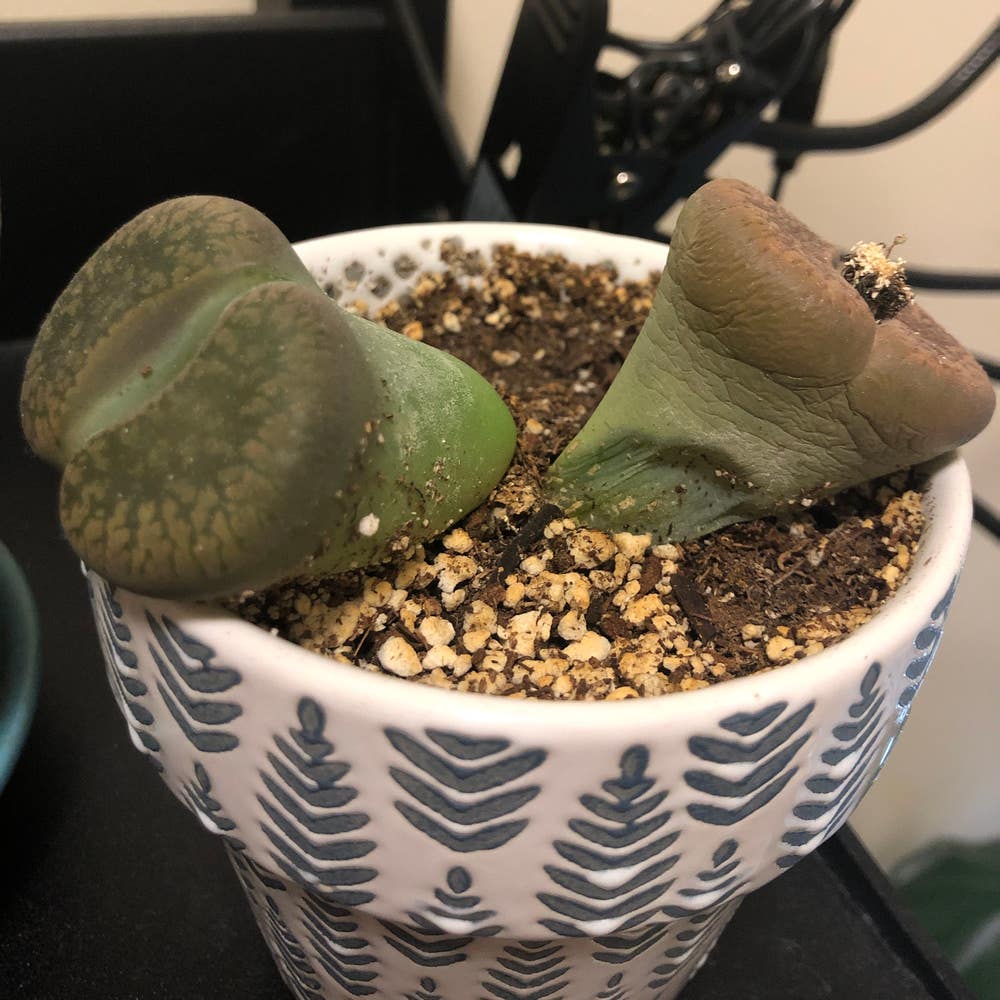
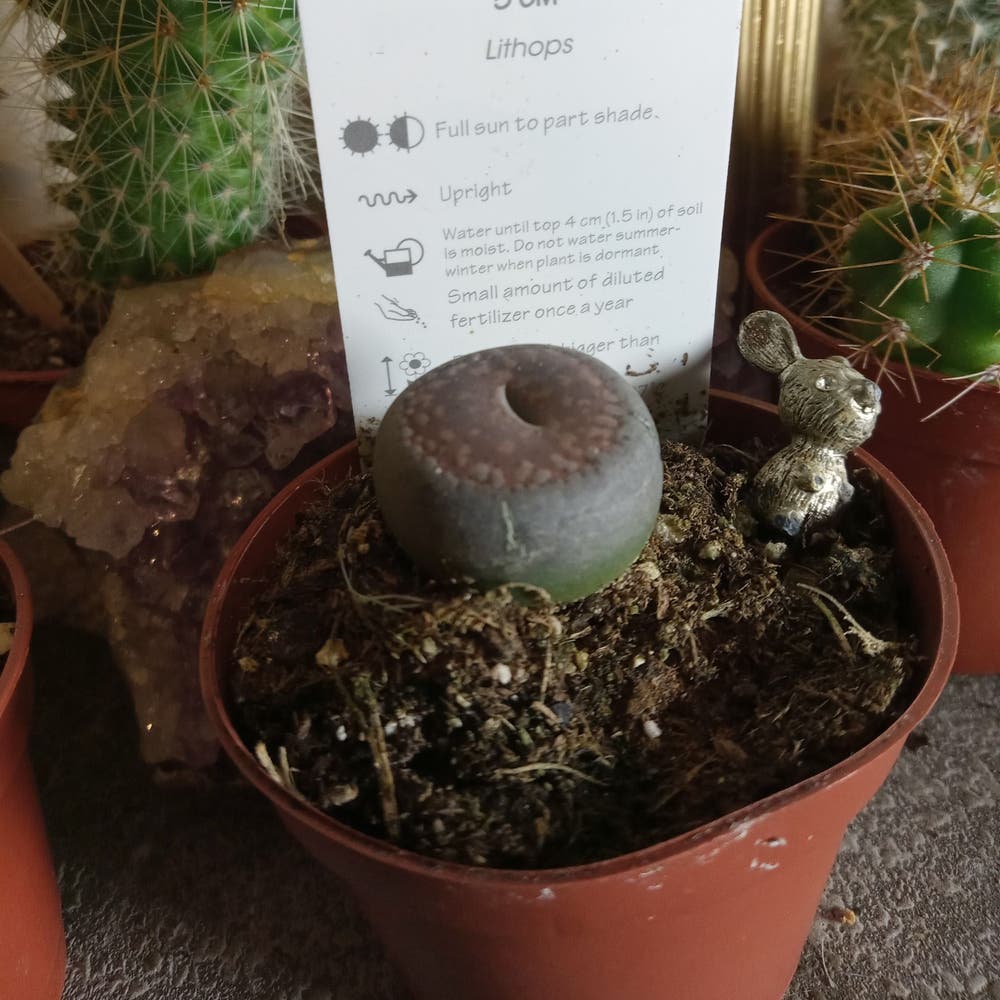
Lithops are the chameleons of the plant world, masquerading as stones while adding a surreal twist to your decor. Their pebble-like appearance is a conversation starter.
🏢 Adaptability to Small Spaces
Their petite stature means Lithops fit snugly in the tiniest of spaces. Desk buddies or windowsill wonders, they're versatile enough for any nook.
🌵 Drought Tolerance
These plants are water hoarders, making them forgiving to forgetful waterers. They're built to survive dry spells, so a missed watering is no disaster.
📚 Educational Value
Lithops are living lessons in adaptation and resilience. They're a window into the survival strategies of desert flora, ideal for curious minds.
🧘 Therapeutic Benefits
Caring for Lithops can be a zen-like ritual, their slow growth a meditative marvel. They're a quiet escape from the high-speed digital world.
🌍 Sustainable Gardening
Lithops are the poster children for eco-friendly plant care. They demand little water and thrive in lean soil, making them allies in the quest for a greener planet.

Symbolism and Cultural Significance of Lithops
🌵 Symbolism Across Cultures
Lithops, often dubbed living stones, carry a weight of symbolism as enduring as their stone-like exteriors. In various cultures, these succulents are heralded as emblems of endurance and patience, given their ability to thrive in arid conditions with minimal sustenance. Their unassuming appearance, blooming unexpectedly, speaks to the beauty that lies within the mundane, waiting to reveal itself.
🌍 Cultural Practices and Perceptions
While not as commonly recognized in symbolism as other plants, Lithops have a quiet presence in some cultural practices. They are appreciated for their self-sufficiency, making them a subtle symbol for living with less. In societies where minimalism and environmental consciousness are valued, Lithops resonate as a symbol of sustainable living.
📜 Historical and Religious Significance
Historically, Lithops have not held as prominent a role in religious texts or practices as other plants. However, their resilience and ability to flourish under harsh conditions can be seen as a metaphor for spiritual fortitude. In modern spiritual circles, they may be used to represent the ability to thrive through adversity.
🌱 Lithops in Modern Times
Today, Lithops are gaining traction among plant enthusiasts who admire their unique form and the challenge they present to the conventional gardener. They stand as a testament to the diversity of nature’s creations and remind us that there is always more to learn and appreciate in the natural world.

Potential Challenges and Considerations
🌱 Soil and Watering
Soil is the unsung hero in the Lithops saga. For these living stones, a well-draining mix is non-negotiable. Think pumice, shale, or a gritty bonsai concoction—anything that tells water, "You can't sit here." Humidity is a Lithops' nemesis, so if you're in a place that's sticky with moisture, go the extra mile with your soil choice. It's a fortress against fungi, bacteria, and those pesky gnats and mealybugs.
Watering these succulents is like defusing a bomb; one wrong move and it's game over. When the old leaves resemble a dried-up riverbed, it's time to water. But here's the kicker: do it sparingly, and only if they start looking like a prune. Overwatering is the express lane to plant heaven, and nobody wants that on their conscience.
☀️ Light and Temperature
Light is as vital as a good playlist on a road trip. Lithops need their sunbathing time—3 to 5 hours of direct light, with a side of bright indirect light for good measure. They're like solar panels, except they don't power your home, just their own little photosynthetic needs.
In the heat, Lithops can go dormant, like a bear in hibernation but less furry. They're chill like that. If you're sweating bullets, chances are your plant is too, so keep the air moving. A fan can be a breath of fresh air, literally.
🌿 Growth and Potting
The growth cycle is a Lithops' version of a wardrobe change. New leaves push through like a phoenix rising from the ashes. It's a slow-motion action movie where the hero is a plant. Make sure your pot is deep enough for their roots—it's like choosing the right size shoes for a marathon.
Potting multiple Lithops together is like a plant party, but be warned, it's not for the faint of heart. Different growth stages can make watering a logistical nightmare. Get to know your Lithops like the back of your hand before you throw them into a communal living situation.
Remember, Lithops care is a delicate dance between neglect and nurture. Too much love can kill them, and too little makes them sad. Find the balance, and you'll be rewarded with a quirky, resilient plant that's as tough as it is charming.

⚠️ Safety First
This content is for general information and may contain errors, omissions, or outdated details. It is not medical, veterinary advice, or an endorsement of therapeutic claims.
Always consult a qualified healthcare professional before using any plant as food, medicine, or supplement.
Never eat any plant (or feed one to pets) without confirming its identity with at least two trusted sources.
If you suspect poisoning, call Poison Control (800) 222-1222, the Pet Poison Helpline (800) 213-6680, or your local emergency service immediately.
Spotted an error? Please report it here.
Nurture your Lithops to stone-cold perfection 🪨 with Greg's tailored care reminders, ensuring these minimalist marvels thrive under your watchful eye.