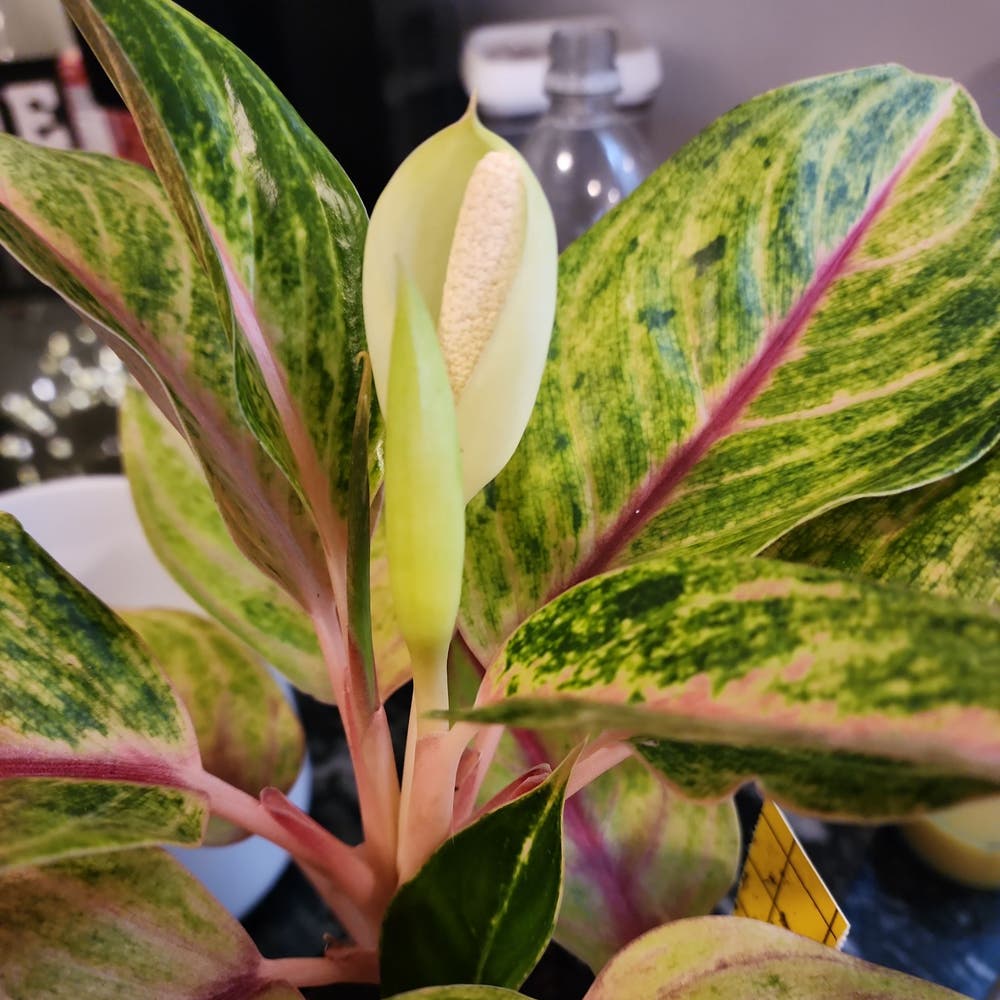
How to Know When to Repot a Aglaonema 'Golden Fluorite'?
Aglaonema 'Golden Fluorite'
By the Greg Editorial Team
Feb 11, 2024•3 min read
This article was created with the help of AI so we can cover more plants for you. May contain errors. See one? Report it here.
- Roots peeking out? Time to repot your Aglaonema 'Golden Fluorite'.
- 🌱 Choose terracotta, ceramic, or plastic based on your watering habits.
- Post-repot care: Water wisely and provide indirect light.
Spotting the Tell-Tale Signs for Repotting
🌱 Root Check-Up
Visible roots escaping through drainage holes are a dead giveaway your Aglaonema 'Golden Fluorite' is feeling the squeeze. It's not going for a jailbreak; it needs a bigger cell.
🚨 Plant Health Signals
If your plant's growth has hit the brakes and leaves are wilting or turning yellow, it's not just throwing a tantrum—it's screaming for repotting.
Choosing the Right Pot and Material
🏺 Material Matters
Terracotta, ceramic, and plastic are the main contenders for housing your Aglaonema 'Golden Fluorite'. Terracotta is the breathable option, allowing for quicker drying of the soil, which is crucial for preventing root rot. Ceramic pots, especially if unglazed, offer a balance between aesthetics and functionality, with some breathability. Plastic pots, while often more affordable and lighter, retain moisture longer, which can be a double-edged sword depending on your watering habits.
📏 Size and Drainage
Selecting a pot that's a size up from the current one is usually a safe bet. Look for a pot that's about 1-2 inches larger in diameter to give your plant room to grow without drowning in excess soil that can stay wet for too long. Drainage holes are non-negotiable; they're the escape route for excess water, guarding against the dreaded soggy soil syndrome. If you fall for a pot without holes, use it as a decorative cache pot instead, and keep your Aglaonema in a well-draining container inside it.
The Repotting Play-by-Play
🌱 Gentle Extraction
Gently coax your Aglaonema 'Golden Fluorite' out of its pot; think of it as a negotiation rather than a forceful eviction. If the plant seems stuck, squeeze the pot's sides and tap the bottom to encourage a peaceful surrender. Avoid pulling on the stems, as this can cause unnecessary stress to the plant.
🌿 Root Pruning and Potting Up
Once liberated, inspect the root ball. Trim any roots that are dead or excessively long, but treat the healthy ones with the care they deserve. Choose a potting mix that boasts excellent drainage to give your Aglaonema a fresh start. When potting up, make sure the plant sits at the same depth it was in its previous pot, and fill in around the roots with your well-draining mix. Firm the soil gently to eliminate air pockets, but don't compact it—roots like their space. After the move, water your plant to help it settle into its new abode, but remember, moderation is key—overwatering is the fast track to root rot.
Post-Repotting Care for Golden Growth
💧 Watering Wisdom
After repotting your Aglaonema 'Golden Fluorite', watering is more art than science. Drench the soil until water flows freely from the drainage holes, then let it be. This initial soak settles the soil and roots, eliminating air pockets. Going forward, water only when the top inch of soil feels dry. Overwatering is the fast track to root rot, so keep it on the drier side to avoid a soggy mess.
🧘 Stress Management
Your plant's just had a major upheaval; it's in recovery mode. Keep it in a cozy spot with indirect light to avoid leaf burn and give it time to adjust. Gradually introduce it to brighter light over a week. No fertilizing—your plant isn't ready for a growth spurt just yet. Instead, monitor for signs of distress or thriving. New growth? You're on the right track. Yellow leaves? Ease up on the water. Droopy? Check the light. Keep pests at bay with a gentle, natural pesticide if needed. Remember, patience is key; let your plant settle in at its own pace.
⚠️ Safety First
This content is for general information and may contain errors, omissions, or outdated details. It is not medical, veterinary advice, or an endorsement of therapeutic claims.
Always consult a qualified healthcare professional before using any plant as food, medicine, or supplement.
Never eat any plant (or feed one to pets) without confirming its identity with at least two trusted sources.
If you suspect poisoning, call Poison Control (800) 222-1222, the Pet Poison Helpline (800) 213-6680, or your local emergency service immediately.
Spotted an error? Please report it here.
Ensure your Aglaonema 'Golden Fluorite' flourishes 🌿 with Greg's tailored pot size recommendations and post-repotting care alerts, so you'll know exactly when it's time for a change.