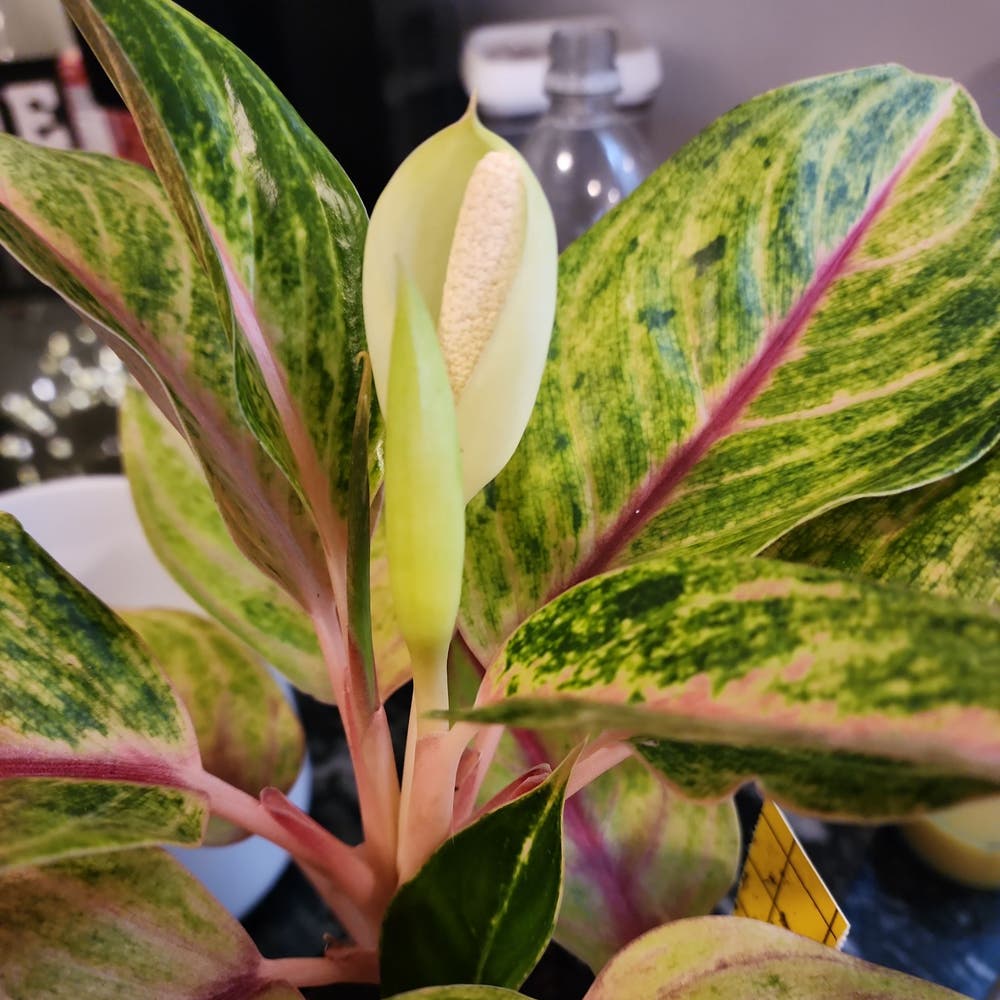
Why Are There Brown Spots on My Aglaonema 'Golden Fluorite'?
Aglaonema 'Golden Fluorite'
By the Greg Editorial Team
Feb 11, 2024•4 min read
This article was created with the help of AI so we can cover more plants for you. May contain errors. See one? Report it here.
- Over/underwatering? Check spot texture: mushy or crispy indicates water issues.
- Fungal rings or pest dots? Use neem oil or fungicides for these brown spots.
- Prevent with care: Adjust watering, clean leaves, and control humidity.
Spotting the Trouble: Identifying Brown Spots
🎨 Types of Brown Spots
Brown spots on Aglaonema 'Golden Fluorite' can be as varied as the leaves themselves. Some spots are tiny specks, while others are large enough to throw a garden party on. They may appear uniform or scattered, with some sporting a colorful halo and others just plain, unadorned brown. The location of these spots is a telltale sign—whether they're enjoying the view from the topside of the leaf, hiding out on the underside, lounging in the center, or hanging off the edge.
🚑 Initial Diagnosis
When you first notice brown spots, it's like your plant is sending an SOS. Texture is a clue—soft and squishy spots may indicate overwatering, while dry and brittle ones could be a sign of underwatering or sunburn. Lift the pot; if it feels like you're hoisting a small boulder, you might be overdoing the H2O. Fungal infections often come with halos or concentric rings, loving that high humidity and poor air circulation. And pests? They're the uninvited guests leaving behind sticky residue or webbing, along with their signature brown spots. If your plant is throwing a fit over temperature changes, you'll see brown discoloration in a distinct pattern or location.
Water Woes: Over and Underwatering
🚰 Signs of Overwatering
Overwatering can turn your Aglaonema 'Golden Fluorite' into a soggy mess. Look for yellowing leaves that feel as limp as overcooked noodles. If the soil is more reminiscent of a wet sponge than a nurturing medium, it's time to ease up on the water. Brown spots from too much water often appear mushy, and the pot may feel heavier than usual. Mold or fungus on the soil surface is a clear sign of excess moisture.
🏜️ Signs of Underwatering
Underwatering, on the other hand, leaves your plant looking neglected. The soil will be as dry as yesterday's toast, and the leaves may curl with brown, crispy edges. If your Aglaonema's leaves are drooping and the stems are wrinkled, it's a cry for help—your plant is thirstier than a marathon runner without a water station. Brown spots in this case are often dry to the touch and may start at the tips or edges of the leaves.
Fungal Foes and Pest Problems
🍄 Battling Fungal Infections
Fungal infections are the stealthy culprits behind brown spots on Aglaonema 'Golden Fluorite'. Concentric rings or a halo around the spots are dead giveaways. To combat these, remove affected leaves and improve air circulation. Rotate fungicides to keep the fungi off balance, but remember, always read labels—precision matters.
🐜 Pests to Watch Out For
Pests can be just as pesky as fungi when it comes to brown spots. Spider mites leave tiny webs, while aphids might leave a sticky residue. Show them the door with a blast of water, neem oil, or insecticidal soap. And don't forget about prevention—regular inspections and cleanliness are your best defense. Keep those tools and pots sterilized to stop the spread.
Nurturing Your Aglaonema Back to Health
💧 Fine-Tuning Your Watering Technique
Adjusting your watering habits is crucial for the health of your Aglaonema 'Golden Fluorite'. Here's how to get it just right:
- Seasonal shifts matter. Ramp up watering in the growth-heavy spring and summer, and dial it back during the fall and winter dormancy.
- Observe your plant. Droopy, wrinkled leaves are a cry for hydration, while upright leaves paired with dry soil scream for less water.
- Pot size plays a role. Smaller pots dry out faster, so tailor your schedule accordingly.
- Consistency is your friend, but not a strict schedule. Water based on the plant's needs, not the calendar.
- Soil checks are detective work. Ensure the top inch is dry before re-watering.
- Rotate your plant. This isn't just for symmetry—it ensures all sides dry evenly.
🛡️ Keeping Fungi and Pests at Bay
Preventative measures are your best defense against the brown spot culprits:
- Dry leaves are happy leaves. Dust regularly and keep foliage dry to avoid fungal raves.
- Clean tools are non-negotiable. Sterilize pruning shears with alcohol to prevent spreading disease.
- Declutter the plant's space. A tidy area minimizes pest and fungal opportunities.
- Natural fungicides can be a plant's ally. Use them as a preventative measure to keep infections at bay.
- Pest patrols are essential. Regularly inspect the undersides of leaves and act fast if you spot freeloaders.
- Humidity and temperature should be as stable as your favorite coffee shop's vibe. Aglaonemas dislike surprises.
- Misting or a pebble tray can help if your home's air is drier than a stand-up comedian's wit.
Remember, your Aglaonema isn't just surviving; it's living. Treat it to these care tips, and you'll be rewarded with a vibrant, spot-free companion.
⚠️ Safety First
This content is for general information and may contain errors, omissions, or outdated details. It is not medical, veterinary advice, or an endorsement of therapeutic claims.
Always consult a qualified healthcare professional before using any plant as food, medicine, or supplement.
Never eat any plant (or feed one to pets) without confirming its identity with at least two trusted sources.
If you suspect poisoning, call Poison Control (800) 222-1222, the Pet Poison Helpline (800) 213-6680, or your local emergency service immediately.
Spotted an error? Please report it here.
Banish those perplexing brown spots on your Aglaonema 'Golden Fluorite' by using Greg to diagnose 🕵️♂️ and tailor your plant care, ensuring a vibrant and spotless foliage future.