What Do Aglaonema 'Golden Fluorite' Flowers Mean?
Aglaonema 'Golden Fluorite'
By the Greg Editorial Team
Feb 11, 2024•5 min read
This article was created with the help of AI so we can cover more plants for you. May contain errors. See one? Report it here.
- 🌸 Rare blooms signal plant health, and carry emotional symbolism.
- Bright, indirect light and spring-like conditions trigger flowering.
- Pruning and balanced fertilization are essential for bloom encouragement.
When Your Aglaonema 'Golden Fluorite' Decides to Bloom
🌸 The Rarity and Significance of Flowering
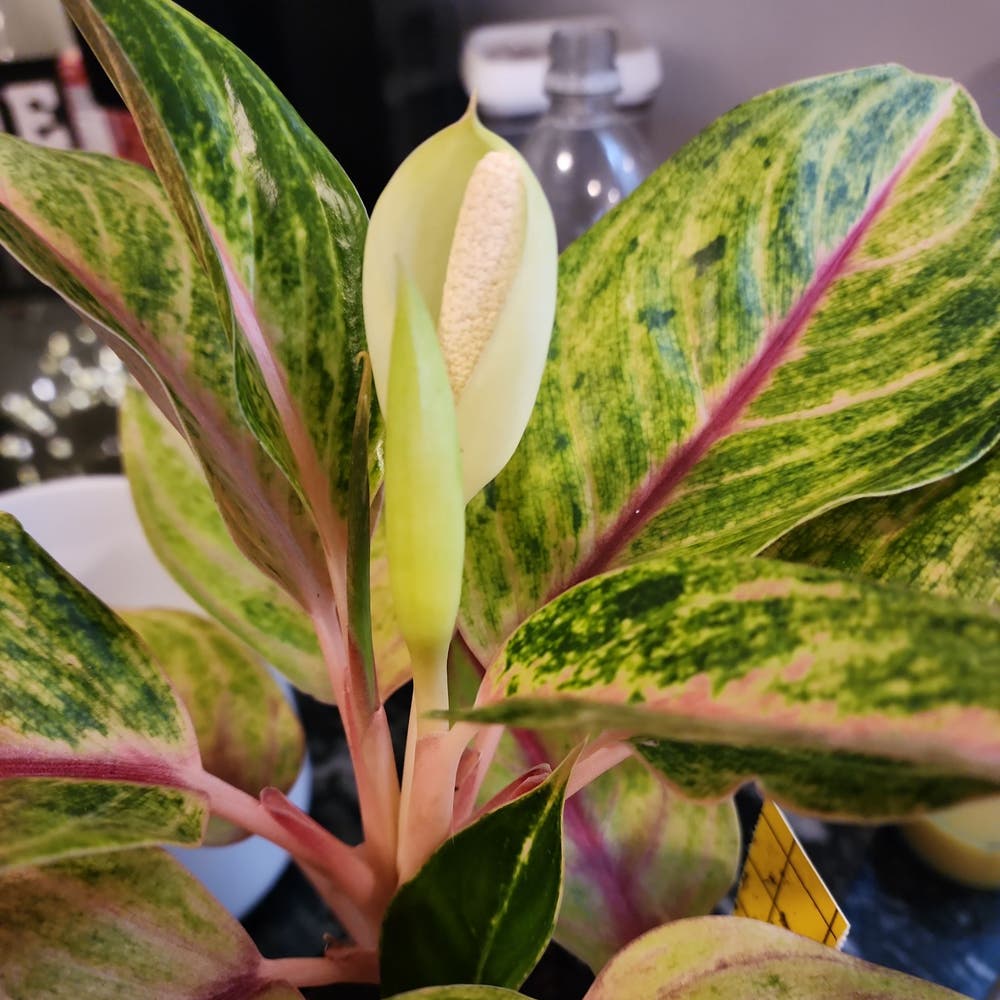
When your Aglaonema 'Golden Fluorite' graces you with flowers, it's like hitting the plant jackpot. Blooming is a rare event that signals your green buddy is more than just surviving—it's thriving. These plants can flower anytime, but they have a soft spot for late winter to summer.
💐 What the Blooms Might Be Telling You About Your Plant's Health
A blooming Aglaonema is a bragging plant, essentially showing off its optimal health. Tiny flowers on the spadix, cradled by a light green spathe, are a good omen. But if you're seeing blooms, it's also a nudge to ensure you're not overdoing it with fertilizer—think nutritious meals, not fast food.
🌺 Cultural and Emotional Symbolism of Aglaonema Flowers
In the realm of plant symbolism, Aglaonema flowers are like a subtle nod of approval from Mother Nature. They're not just a pretty face; they carry a weight of emotional symbolism. Culturally, they can represent resilience or a fresh start, echoing the sentiments of other rare bloomers in the plant kingdom.
Tailoring the Environment for Flower Showtime
🌟 The Sweet Spot of Lighting for Triggering Blooms
Aglaonema 'Golden Fluorite' is a bit of a diva when it comes to lighting. It craves bright, indirect sunlight to strut its stuff. Too much shade and it sulks, too much direct sun and it burns out. Aim for a spot that's just right, like Goldilocks' porridge. If your indoor lighting is more cave-like, consider a grow light to mimic the sun's embrace.
🌡️ The Role of Temperature and Humidity in Setting the Stage for Flowers
Temperature and humidity are the supporting actors in this floral drama. Keep the air humid but not muggy—think tropical breeze, not swamp. A humidifier can be your best friend here. Temperature-wise, Aglaonema 'Golden Fluorite' prefers it warm during the day and slightly cooler at night. No sudden chills or heat waves, please; this plant doesn't appreciate surprises.
📅 Seasonal Timing and Its Influence on Flowering
Timing is everything. These plants tend to follow nature's cue, blooming when they feel like spring is in the air. So, when the days start to lengthen, pay attention. This is your cue to start the backstage preparations for the bloom show. Keep the conditions consistent, and with a bit of luck, your Aglaonema 'Golden Fluorite' will reward you with its rare performance.
Nurturing Your Plant to Encourage Flowers
🌱 Pruning: More than just a trim, a way to signal blooming
Pruning isn't just about keeping your Aglaonema 'Golden Fluorite' tidy; it's a strategic move to encourage blooming. By cutting away excess foliage, you're essentially telling your plant to focus its energy on flower production. It's like redirecting traffic in a bustling city to showcase a parade—only the parade is your plant's blossoms.
🌼 Fertilization: Crafting the perfect nutrient cocktail for flowers
Fertilization is akin to a nutrient-rich cocktail for your plant. But beware, it's easy to overdo it. Stick to a balanced fertilizer at half-strength during the growing season. This isn't a case of 'more is better'; too much fertilizer can lead to a leafy green beast with no flowers in sight. It's about finding that sweet spot where your plant feels just enough love to burst into bloom.
💧 Watering wisdom: Balancing moisture for optimal flowering conditions
Watering is a delicate dance. Your Aglaonema 'Golden Fluorite' craves moisture, but too much can drown its flowering dreams. Let the soil dry out between waterings—think of it as playing hard to get. It's a balance that might take some tweaking, but when you get it right, your plant will reward you with the floral show you've been waiting for. Keep an eye on the leaves; they're like mood rings indicating whether you've hit the hydration jackpot.
Overcoming the Flowering Hurdles
🌞 Identifying and fixing bloom-blockers
Lighting is a deal-breaker. If your Aglaonema 'Golden Fluorite' is playing hard to get with its flowers, check if it's getting enough light. Too little, and it's in a vegetative slumber; too much, and you risk leaf burn. Aim for that bright, indirect light sweet spot.
Pests are the ultimate party poopers. Mealybugs, in particular, have a vendetta against Aglaonema. Regular inspections and prompt evictions are key. If you spot these sap-suckers, show them the door with a swift insecticidal soap treatment.
🚫 Addressing common misconceptions about Aglaonema 'Golden Fluorite' flowering
Fertilizer isn't a magic growth elixir. Overfeeding your plant is like serving it a fast-food diet—quick growth, but at the cost of health. Stick to a balanced fertilizer, and don't go overboard. Remember, your plant's energy comes from sunlight, not just nutrients.
Water quality matters. Hard tap water can lead to mineral buildup, leaving your Aglaonema 'Golden Fluorite' less than thrilled. Use filtered or rainwater for that hydration without the harsh additives.
Humidity myths busted: Aglaonema 'Golden Fluorite' doesn't need a tropical rainforest climate. It's all about watering the soil correctly—moist, but not soggy, is the mantra.
Repotting can be a breath of fresh air for your plant. If it's doubled in size or it's been a year, give it some new digs. Fresh soil equals fresh nutrients, which can help kick-start the flowering process.
By tackling these common hurdles with a mix of vigilance and restraint, you're setting the stage for those elusive Aglaonema 'Golden Fluorite' blooms. Keep at it, and with a bit of luck and a lot of care, you'll be rewarded with a floral spectacle.
⚠️ Safety First
This content is for general information and may contain errors, omissions, or outdated details. It is not medical, veterinary advice, or an endorsement of therapeutic claims.
Always consult a qualified healthcare professional before using any plant as food, medicine, or supplement.
Never eat any plant (or feed one to pets) without confirming its identity with at least two trusted sources.
If you suspect poisoning, call Poison Control (800) 222-1222, the Pet Poison Helpline (800) 213-6680, or your local emergency service immediately.
Spotted an error? Please report it here.
Achieve the rare delight of an Aglaonema 'Golden Fluorite' in full bloom 🌼 with Greg's tailored care plan ensuring your plant's perfect health and happiness.