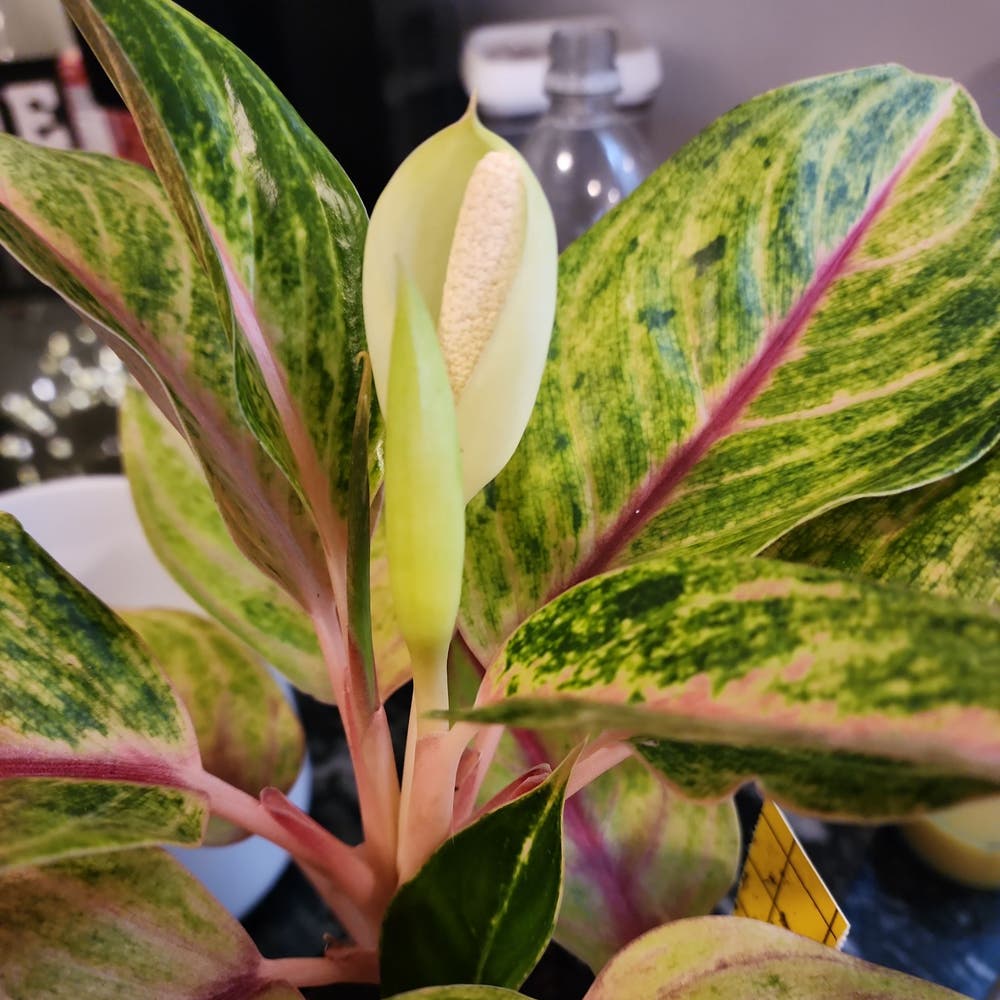
Black Spots on My Aglaonema 'Golden Fluorite' Leaves
Aglaonema 'Golden Fluorite'
By the Greg Editorial Team
Feb 11, 2024•4 min read
This article was created with the help of AI so we can cover more plants for you. May contain errors. See one? Report it here.
- Black spots signal trouble; differentiate by texture: powdery (fungal) vs. slimy (bacterial).
- Environmental factors matter: light, humidity, and watering affect black spot development.
- Prevent with care: consistent watering, indirect sunlight, and regular check-ups.
Spotting the Trouble: Recognizing Black Spots
🕵️ Visual Clues
Black spots on Aglaonema 'Golden Fluorite' leaves are alarm bells. They might start as tiny specks and can grow into larger blotches, often appearing on the underside of leaves. These spots are not your plant's attempt at a fashion statement; they're a cry for help.
🦠 Fungal vs. Bacterial
Fungal spots typically have irregular shapes, sometimes with concentric rings or feathery edges. In contrast, bacterial spots may look wet, with a yellow halo signaling it's time for action. Both are party crashers in your plant's ecosystem, and neither brings good tidings.
🍄 Fungal Foes
Fungal infections might present with a powdery feel, suggesting it's time to bring out the fungicide. These spots can evolve, changing in size and texture, so keep a watchful eye.
🦠 Bacterial Baddies
Bacterial spots can be slimy and might ooze a sticky residue. They're often darker and may have a foul odor. If you notice these, it's time to consider antibacterial measures.
🔍 Spot Check
To differentiate between the two, look for texture and color changes. Fungal spots might be dry or powdery, while bacterial spots could appear soaked. Gauge the extent of the spread; a few spots might be manageable, but a full-on breakout requires immediate attention.
The Root of the Issue: Pinpointing the Cause
🌞 Environmental Check-Up
Light Levels: Too Much or Too Little?
Aglaonema 'Golden Fluorite' is like a Goldilocks plant when it comes to light—it wants it just right. Too much direct sunlight and you'll get leaf scorch, too little and your plant becomes a magnet for pathogens. Aim for bright, indirect light to keep those leaves spot-free.
Humidity and Watering: Finding the Balance
Humidity and watering are the yin and yang of plant care. Overwatering can drown your plant's roots and invite fungal issues, while underwatering stresses it out. Use a hygrometer to keep humidity levels on point and water only when the topsoil feels dry to the touch.
🍃 Leaf Inspection
Beyond the Spots: Other Symptoms to Watch For
Don't just fixate on the black spots—check for other signs of distress. Yellowing leaves? Could be a watering issue. Droopy or curling leaves? Your plant might be begging for more humidity. Regular check-ups are your best defense against these sneaky symptoms.
The Treatment Plan: Combating Black Spots
🍄 Going Fungal
Choosing the right fungicide is crucial. Look for products containing copper or sulfur, which are effective against a wide range of fungal pathogens. Neem oil and baking soda mixtures (1 tablespoon per gallon of water, with a drop of soap) are also reliable choices for the organic-minded. Apply these treatments weekly, and make sure to cover every part of the leaf, both front and back.
Adjusting care to prevent future outbreaks is equally important. Overwatering is an open invitation for fungi, so ensure you're not giving your Aglaonema more than it can drink. Proper air circulation is like giving your plant room to breathe, reducing the risk of fungal growth. And always water at the base to avoid wetting the leaves.
💥 Bacterial Battles
When it comes to bacterial infections, precision in pruning is key. Sterilize your tools before and after removing affected areas to prevent spreading the bacteria. Treat the plant with copper-based bactericides if caught early, and remember, less is more—avoid overusing chemicals.
Hygiene is your plant's best friend. Keep everything from your shears to your soil clean to prevent bacterial recurrences. And don't forget, infected leaves are not compost material—they're better off disposed of safely to avoid contaminating other plants.
Keeping Spots at Bay: Prevention Tactics
💧 Consistency is Key: Watering and Lighting Routines
Watering your Aglaonema 'Golden Fluorite' is less about sticking to a strict schedule and more about understanding its needs. The soil should dry out between waterings, but not to the point of parching. Think of it as giving your plant a steady job rather than living paycheck to paycheck.
For lighting, bright, indirect sunlight is the sweet spot. Too much direct light can lead to a sunburned plant, while too little can cause your Aglaonema to become the indoor equivalent of a wallflower.
🛡️ Proactive Plant Check-Ups: Staying One Step Ahead
Regular inspections of your Aglaonema are like pop quizzes for plant health – they keep you on your toes and ready to react. Look for early signs of distress, not just black spots but also yellowing leaves or stunted growth.
Cleanliness is next to godliness in plant care. Keep your tools pristine and your plant's environment tidy to prevent fungal and bacterial gate-crashers.
Airflow is your silent ally. A gentle breeze, natural or from a fan on low, can help keep the humidity in check and discourage unwanted guests.
Remember, prevention isn't a one-off deal; it's a lifestyle for your plant. Stay sharp, and those black spots will be history.
⚠️ Safety First
This content is for general information and may contain errors, omissions, or outdated details. It is not medical, veterinary advice, or an endorsement of therapeutic claims.
Always consult a qualified healthcare professional before using any plant as food, medicine, or supplement.
Never eat any plant (or feed one to pets) without confirming its identity with at least two trusted sources.
If you suspect poisoning, call Poison Control (800) 222-1222, the Pet Poison Helpline (800) 213-6680, or your local emergency service immediately.
Spotted an error? Please report it here.
Ensure your Aglaonema 'Golden Fluorite' remains spot-free 🌿 with Greg's personalized care reminders, helping you prevent black spots with just the right touch of water and light.