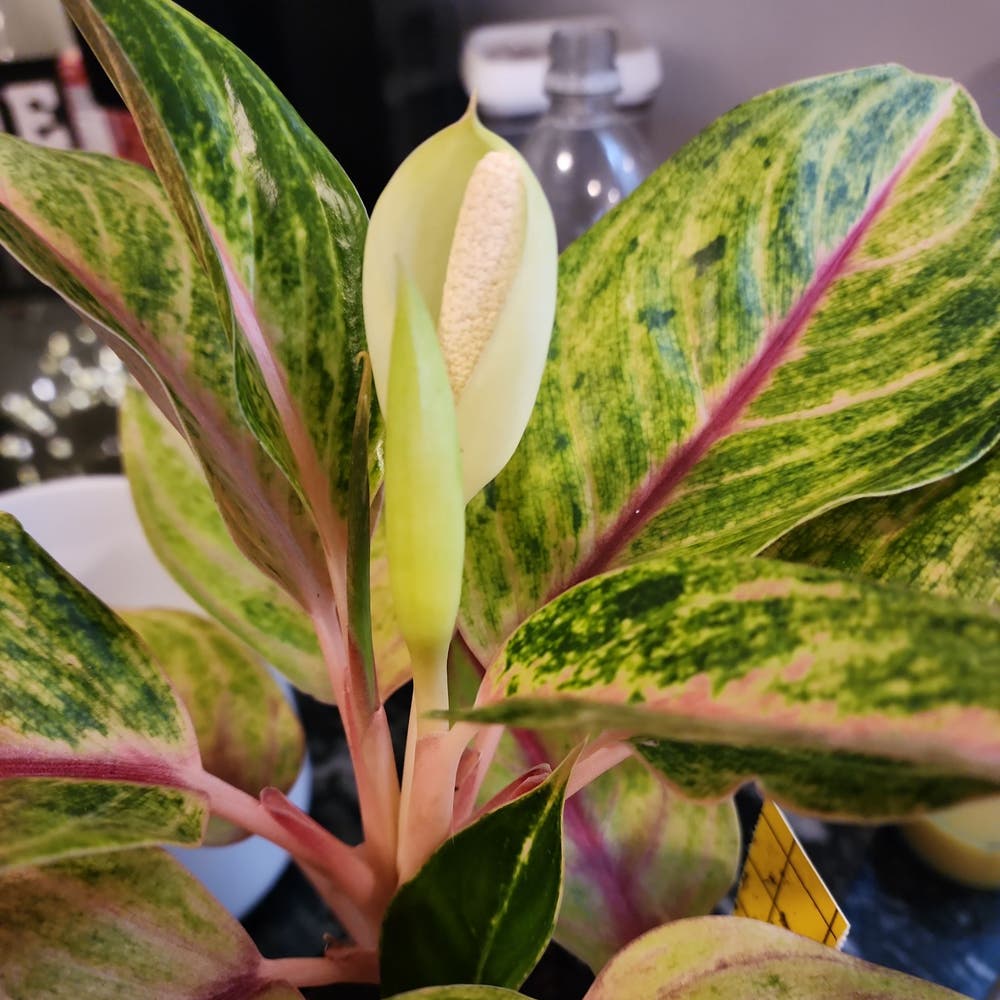
🌞 Does My Aglaonema 'Golden Fluorite' Need Direct Sunlight?
Aglaonema 'Golden Fluorite'
By the Greg Editorial Team
Feb 11, 2024•5 min read
This article was created with the help of AI so we can cover more plants for you. May contain errors. See one? Report it here.
- 🌿 Indirect sunlight preferred over direct, intense rays for Aglaonema 'Golden Fluorite'.
- Signs of too much sun: scorched leaves, faded colors, and stunted growth.
- Rotate and diffuse light with sheer curtains for even growth and protection.
Sunlight and Your Aglaonema 'Golden Fluorite'
🌞 What 'Direct Sunlight' Really Means for Your Plant
Direct sunlight is the unfiltered, full-strength solar energy that beams down on your plant. It's the kind of light that casts sharp shadows and can be intense, especially during the peak hours of the day. In contrast, indirect sunlight is the softer, diffused light that doesn't cast strong shadows. It's like the difference between standing in the spotlight and basking in the glow of stage lights. Your Aglaonema 'Golden Fluorite' isn't a fan of the solar spotlight. It prefers the gentler rays of indirect light, mimicking the dappled sunlight of its natural habitat under the forest canopy.
🚩 Signs Your Plant is Getting Too Much Sun
If your Aglaonema 'Golden Fluorite' starts looking more like a crispy leaf salad than a lush tropical plant, it's waving a red flag at you. Scorched leaves, faded colors, and stunted growth are distress signals that your plant is getting too much direct sun. Leaves might curl or develop brown spots, a clear sign they're not enjoying their sunbathing session. Pay attention to these visual cues; they're your plant's way of telling you it's time to find a shadier retreat.
Protecting Your Aglaonema from the Sun's Embrace
🌿 Strategic Placement Indoors
Finding the perfect spot for your Aglaonema 'Golden Fluorite' is like a game of hide-and-seek with the sun. You want to seek out areas that bathe your plant in bright, but indirect, light. An east or west-facing window is the sweet spot, offering your green buddy a comfortable glow without the harsh midday rays.
Consider the window direction in your home. North-facing windows can be too dim, south-facing a tad too intense. It's all about balance. If you're stuck with a south-facing window, pull your plant back from the window or use a sheer curtain to filter the light.
🎨 Creative Sunlight Management
Sheer curtains aren't just for privacy; they're your plant's sunscreen. They diffuse the light, protecting your Aglaonema from the harshness of direct rays. Think of them as a soft veil shielding your plant from a sunburn.
If the sun shifts or your plant starts to show signs of distress—brown spots or faded leaves—it's time to move it. Rotate your plant regularly to ensure even growth and prevent it from leaning into the light like it's trying to catch a tan. If all else fails and your space is a solar hotspot, consider a strategic retreat to a shadier locale or flirt with the idea of a grow light during those gloomy months. Keep it cozy, not scorching.
Seasonal Sunlight Shifts and Your Aglaonema
🌞 Understanding Seasonal Changes in Sunlight Intensity
As the earth orbits, sunlight intensity in your living room does a little dance. Winter brings a softer glow, while summer sun is like a stage spotlight. Your Aglaonema 'Golden Fluorite' feels these shifts. It may bask in the subdued winter light but could recoil from the harsh summer rays.
🌱 Adjusting Your Plant Care with the Changing Seasons
When the sun gets pushy, shield your Aglaonema. Less water may be needed when growth slows in the cooler months. Conversely, up the hydration game when the heat is on. It's like giving your plant a seasonal wardrobe change—no woolly hats in July, please.
🌍 Hemisphere Hacks for Healthy Houseplants
Your geographical location tweaks your plant care routine. Northern Hemisphere dwellers, your winter sun is a gentle pat on the back, while Southern Hemisphere folks get the full embrace. Adjust your Aglaonema's spot in the house accordingly to avoid accidental leaf-fry or gloom-induced growth stunts.
🌐 The North-South Divide: How It Affects Your Aglaonema
The sun plays favorites depending on where you live. In the North, it's a low-angled, polite visitor in winter; in the South, it's an overhead party guest in summer. Your Aglaonema's leaf color and growth can spill the beans on whether it's getting the right amount of solar love.
When Less Light is More
🌿 The Low-Light Loving Nature of Aglaonema 'Golden Fluorite'
Aglaonema 'Golden Fluorite' is a shade-seeker, naturally adapted to the dappled light of its tropical forest floor origins. This means it's more than just a pretty face; it's evolved to excel in the low-light conditions many indoor environments provide. The plant's striking variegation, a tapestry of greens and yellows, actually intensifies away from the harsh glare of direct sunlight. This is not just good news for the aesthetic appeal of your space, but also for the health of your Aglaonema, as too much sun can lead to faded leaves and a less vibrant plant.
🌱 Adapting to Your Home's Light Conditions
Finding the sweet spot for your Aglaonema 'Golden Fluorite' involves a bit of trial and error. Ideally, place it in a spot that basks in bright, indirect light—think near a north or east-facing window, where the sun's rays are more of a gentle caress than a fiery slap. However, if your home is a sun-soaked haven with no escape from the rays, fear not. You can still protect your plant by using sheer curtains or blinds to diffuse the light. In a pinch, moving your Aglaonema a few feet away from the window or into the protective shade of a taller plant can also prevent the risk of sunburn. Remember, this plant is forgiving, so don't stress too much about getting it perfect from the get-go.
⚠️ Safety First
This content is for general information and may contain errors, omissions, or outdated details. It is not medical, veterinary advice, or an endorsement of therapeutic claims.
Always consult a qualified healthcare professional before using any plant as food, medicine, or supplement.
Never eat any plant (or feed one to pets) without confirming its identity with at least two trusted sources.
If you suspect poisoning, call Poison Control (800) 222-1222, the Pet Poison Helpline (800) 213-6680, or your local emergency service immediately.
Spotted an error? Please report it here.
Ensure your Aglaonema 'Golden Fluorite' thrives in just the right light with Greg's PlantVision to find its happy place 🌿.