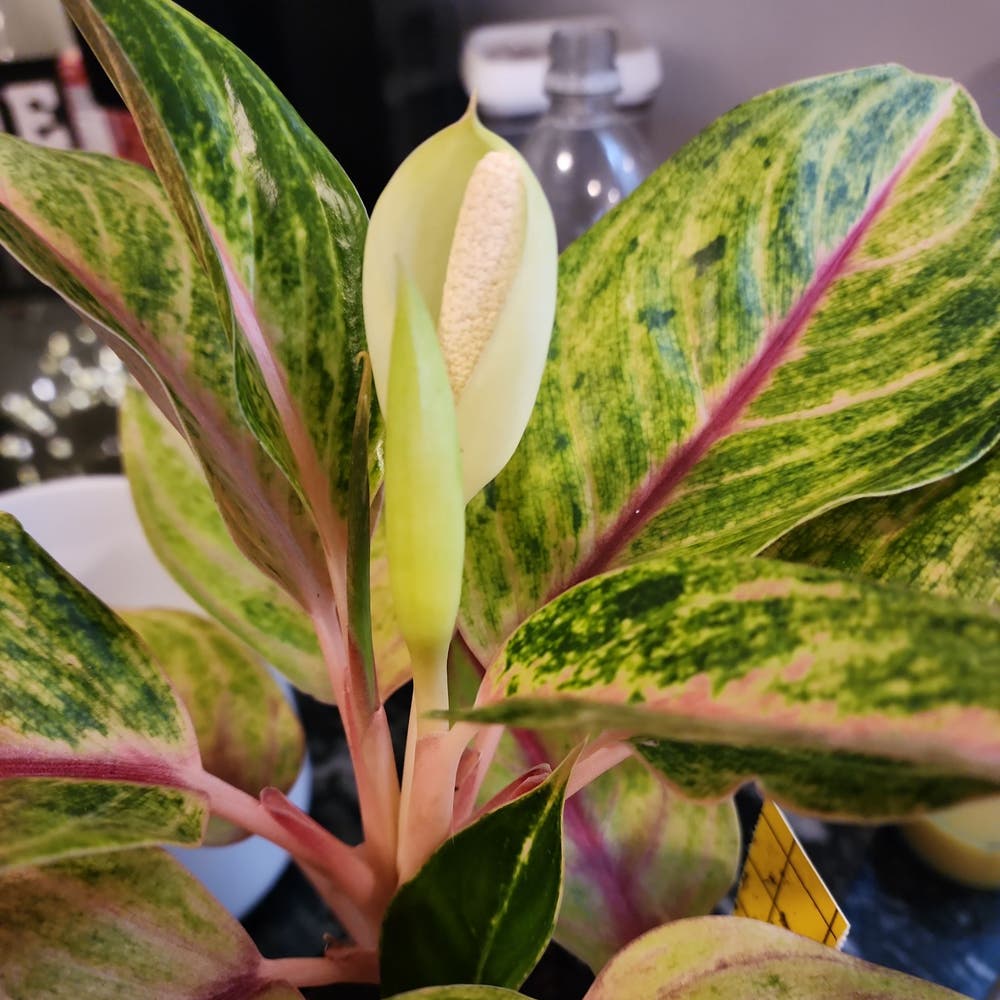
What To Do About Bugs on My Aglaonema 'Golden Fluorite'? 🐛
Aglaonema 'Golden Fluorite'
By the Greg Editorial Team
Feb 11, 2024•4 min read
This article was created with the help of AI so we can cover more plants for you. May contain errors. See one? Report it here.
- 🕸️ Look for webbing and speckled leaves to spot spider mites.
- 🍯 Sticky honeydew? Likely scale insects. Use alcohol or horticultural oil.
- 🌱 Prevent pests with dry soil, cleanliness, and regular inspections.
Spot the Invaders: Identifying Common Pests
🕷️ Spider Mites
Tiny but destructive, spider mites can turn your Aglaonema 'Golden Fluorite' into a ghost town. Look for webbing under leaves and a speckled look on foliage.
🐞 Scale Insects
These pests masquerade as bumps on your plant. Scale insects are stationary sap-suckers, leaving sticky honeydew and sooty mold in their wake.
🦟 Fungus Gnats and Fruit Flies
Annoyingly flitting about, fungus gnats and fruit flies love moist soil. Gnats are soil-based larvae munchers, while fruit flies are just the adult form of annoyance.
🐜 Mealybugs
Cottony clusters on your Aglaonema? That's a mealybug infestation. These pests tuck themselves into crevices, leaving a white, powdery residue as evidence.
Battle Tactics: Effective Remedies for Each Pest
🕷️ Spider Mites
Wipe Them Out
Spider mites detest neem oil and insecticidal soap. Coat every leaf, especially the undersides, to ensure these pests get the message. Reapply as needed, because persistence pays off.
🚫 Prevention Practices
Regular leaf cleaning is non-negotiable. Use a damp cloth to wipe leaves and discourage mite meetings. Think of it as routine maintenance for plant health.
⚖️ Scale Insects
Manual Removal
Spot a scale? Pluck it off. It's oddly satisfying, like popping bubble wrap. For the stubborn ones, dab with rubbing alcohol on a cotton swab.
💧 Alcohol and Oils
When scales play hard to get, a mix of horticultural oil and a dash of soap can loosen their grip. Apply with care, targeting infested areas.
🦟 Fungus Gnats and Fruit Flies
Soil Solutions
Overwatering is an open invitation for gnats. Let the soil dry out a bit. For an extra kick, a hydrogen peroxide drench can clean up larvae.
🕸 Sticky Situations
Sticky traps are like flypaper for your plant's airborne annoyances. Place them strategically and watch the pest population plummet.
🐛 Mealybugs
Alcohol to the Rescue
A cotton swab soaked in alcohol can be a mealybug's worst nightmare. Direct contact is key, so get up close and personal with infested spots.
🌿 Neem and Soap
For a broader approach, mix neem oil or insecticidal soap with water. Spray liberally, and repeat to keep those fluffy pests from fluffing back up.
Extra Attention: Dealing with Other Pests
🐜 Aphids
Aphids are tiny troublemakers that can stunt plant growth and spread diseases. They're often found in clusters on the undersides of leaves, excreting a sticky substance called honeydew.
Natural predators, like ladybugs and lacewings, are your allies in the fight against aphids. If you prefer to go solo, a strong jet of water can knock them off your plant. For a more targeted approach, insecticidal soaps or neem oil are effective and less harsh than chemical pesticides.
🦟 Thrips
Thrips are slender pests that leave silver streaks on leaves and black specks of excrement. They're stealthy and can be tough to spot, often hiding in buds or flowers.
To combat thrips, prune and dispose of infested areas promptly. Yellow sticky traps can help reduce adult populations. For persistent problems, insecticidal soaps or neem oil are good choices. If you're dealing with a full-blown invasion, consider insecticides like spinosad, but be mindful of beneficial insects. Regular inspections, especially during warm, humid periods, are crucial for early detection and control.
Proactive Plant Parenting: Preventative Measures
🕵️ Regular Inspections
Vigilance is your plant's best friend. During check-ups, scrutinize for discoloration, spots, or anything that just looks off. Early detection can turn a plant crisis into a mere hiccup.
🧼 Plant Hygiene and Quarantine
Keep it pristine. Cleanliness isn't just for show; it's a pest deterrent. New plants? Quarantine them. It's like a velvet rope for your plant club, keeping the riff-raff out.
🌿 Optimizing Growing Conditions
Create a haven for your Aglaonema 'Golden Fluorite'. Bright, indirect light is the sweet spot. Balance your watering—aim for moist, not marshy. A spritz of humidity and a dash of fertilizer will keep it fighting fit. Prune with purpose, but don't go overboard.
⚠️ Safety First
This content is for general information and may contain errors, omissions, or outdated details. It is not medical, veterinary advice, or an endorsement of therapeutic claims.
Always consult a qualified healthcare professional before using any plant as food, medicine, or supplement.
Never eat any plant (or feed one to pets) without confirming its identity with at least two trusted sources.
If you suspect poisoning, call Poison Control (800) 222-1222, the Pet Poison Helpline (800) 213-6680, or your local emergency service immediately.
Spotted an error? Please report it here.
Eradicate pests from your Aglaonema 'Golden Fluorite' with savvy strategies from our guide and enlist Greg 🛡 for preventative care reminders to keep your plant fortress bug-free.