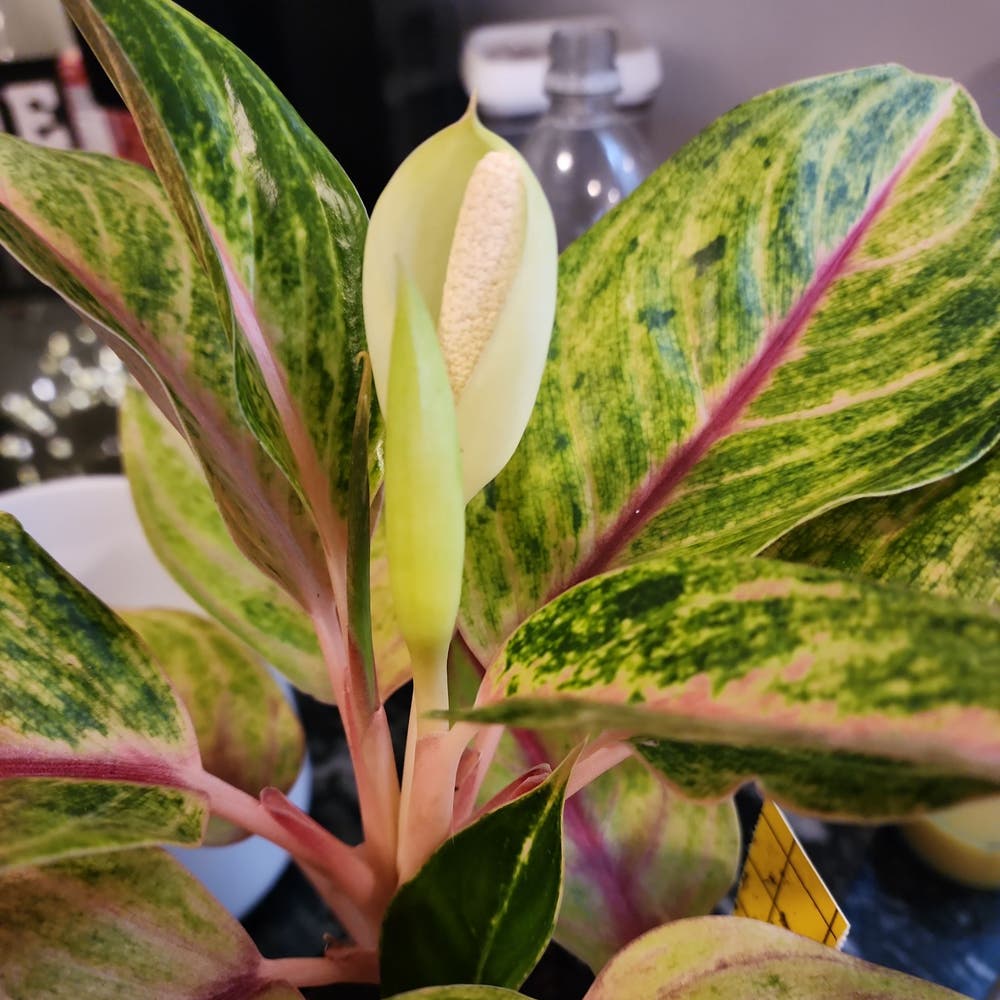
Why Are My Aglaonema 'Golden Fluorite' Leaves Falling Over?
Aglaonema 'Golden Fluorite'
By the Greg Editorial Team
Feb 11, 2024•3 min read
This article was created with the help of AI so we can cover more plants for you. May contain errors. See one? Report it here.
- Overwatering and underwatering both lead to droopy Aglaonema leaves.
- Balance light exposure to maintain Aglaonema leaf strength.
- Consistent watering schedule and proper light prevent leaf droop.
Pinpointing the Culprit: Why Leaves Droop
💧 Overwatering Woes
Yellowing leaves and mushy stems are the hallmarks of an overwatered Aglaonema 'Golden Fluorite'. Overwatering compromises the plant's stability by suffocating the roots, leading to a lack of structural support.
🏜️ Thirsty Plant Problems
When leaves turn crispy and the soil feels like a barren wasteland, your plant is screaming for water. Underwatering causes leaves to droop as the plant desperately tries to conserve moisture.
🌞 Light: Finding the Sweet Spot
Direct sunlight can scorch leaves, causing them to wilt, while insufficient light weakens their structure. The key is to find a balance where light levels maintain leaf strength without causing damage.
First Aid for Your Aglaonema
💦 Rescuing from the Flood
Overwatering can turn your Aglaonema's roots into a swampy mess. First step: halt all watering. Let the soil's top inch dry out before you even glance at the watering can. If the soil feels like a wet sponge, it's time to intervene.
🚨 Immediate Action
Remove the plant from its pot with care. If the roots look like they've been through a horror movie—dark and mushy—snip the rot away. Let the roots air out; they're gasping for a break from the moisture marathon.
Soil and Root Recovery
Once the roots have had their breather, consider repotting with fresh, well-draining soil. This is like hitting the reset button for your plant's health. Going forward, check the soil moisture deep down before watering, not just at the surface.
💧 Quenching the Thirst
Underwatering makes your Aglaonema's leaves droop like they've lost all hope. It's time to give them a pep talk with some hydration—but not too much.
Watering Right
When the soil is dry halfway down the pot, it's time for a drink. Use room-temperature water to avoid shocking the roots. Think of it as serving a fine wine; the temperature matters.
Soil Moisture Management
Ensure even water distribution by watering around the plant, not just in one spot. This encourages the roots to grow evenly and prevents dry patches. A moisture meter can be your secret weapon here, taking the guesswork out of the equation.
Keeping Your Aglaonema Upright
💧 The Perfect Pour: Watering Routines
Aglaonema 'Golden Fluorite' has a thirst for consistency. Crafting a watering schedule that aligns with your plant's needs is crucial. Overwatering is a no-go; it's the fast track to droopy, yellowing leaves and a one-way ticket to root rot city. Instead, check the soil's moisture with your finger or use a moisture meter. When the top inch feels like a dry martini, it's time to water.
Remember, your Aglaonema's drinking habits change with the lighting. More light equals more water, less light equals less. It's not rocket science; it's plant science. Use room temperature water—cold water is as shocking to your plant as a surprise ice bucket challenge.
☀️ Let There Be Light (But Not Too Much)
Sunlight for your Aglaonema should be like a good sunscreen—protective but not smothering. Find a spot where the light is bright but indirect, like a celebrity wearing sunglasses indoors. Too much direct sunlight, and you'll have a wilted plant on your hands, as if it's just walked out of a sauna.
As the seasons change, so do your plant's light needs. In the summer, it's all about those long, bright days. Come winter, it's more about quality than quantity. Rotate your plant periodically to ensure it tans evenly—no one likes a lopsided tan. Keep it away from drafts; your plant hates sudden temperature changes as much as you hate unexpected spoilers.
⚠️ Safety First
This content is for general information and may contain errors, omissions, or outdated details. It is not medical, veterinary advice, or an endorsement of therapeutic claims.
Always consult a qualified healthcare professional before using any plant as food, medicine, or supplement.
Never eat any plant (or feed one to pets) without confirming its identity with at least two trusted sources.
If you suspect poisoning, call Poison Control (800) 222-1222, the Pet Poison Helpline (800) 213-6680, or your local emergency service immediately.
Spotted an error? Please report it here.
Avoid the droop in your Aglaonema 'Golden Fluorite' by using Greg's 💧 custom watering reminders to strike the perfect moisture and light balance!