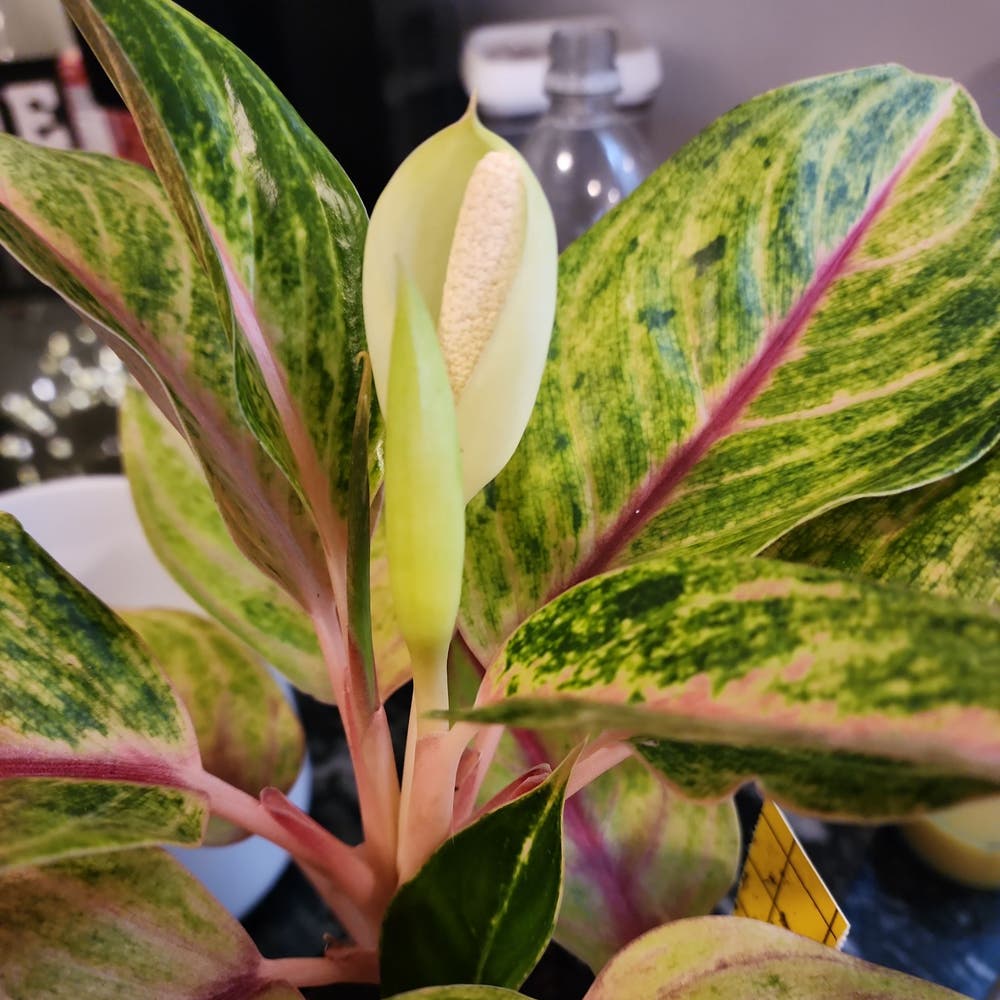
💧 Why Are My Aglaonema 'Golden Fluorite' Leaves Droopy?
Aglaonema 'Golden Fluorite'
By the Greg Editorial Team
Feb 11, 2024•4 min read
This article was created with the help of AI so we can cover more plants for you. May contain errors. See one? Report it here.
- Droopy leaves signal stress or dehydration in Aglaonema 'Golden Fluorite'.
- Root health and soil moisture are critical; watch for root rot and waterlogging.
- Bright, indirect light and 65-75°F with 50-60% humidity for optimal health.
Spotting the Signs of Distress
🌱 Visual cues of droopiness
Aglaonema 'Golden Fluorite' leaves should stand out with their vibrant colors, not their droop. If your plant's leaves are hanging down like limp noodles, it's a clear sign they're not happy. Look for leaves that have lost their shine or are starting to curl inwards, which can indicate stress or dehydration.
🌿 Checking for root health
Root health is paramount. Gently ease the plant out of its pot and inspect the roots. Healthy roots are firm and white, while roots suffering from rot will be dark and mushy, often with a foul smell. If you encounter the latter, it's time to take action.
💧 Assessing the soil moisture balance
The soil's moisture level is like the plant's pulse—check it often. If the soil feels dry an inch below the surface, your plant is thirsty. On the flip side, if it's soggy, you might be overdoing the hydration. Remember, your Aglaonema's soil should be moist but not waterlogged. Use your senses; if the soil smells funky, it's a red flag for too much moisture and potential root issues.
Water Woes: Too Much or Too Little?
💧 Fine-tuning your watering routine
Consistency is your Aglaonema's best friend. Establish a watering schedule that's as regular as your morning alarm. Before watering, check the soil an inch deep—if it's damp, hold the waterworks. Aim for soil that's moist, not soggy.
🌊 The perils of overwatering and how to recover
Overwatering can leave your plant as deflated as a missed high-five. Yellowing leaves and a foul soil smell are tell-tale signs. If you've overdone it, let the soil dry out a bit. Consider trimming any rotten roots and ensure your pot has proper drainage.
🏜️ Signs of underwatering and the path to rehydration
Underwatering turns your plant as droopy as a neglected house guest. Look for leaves that sag without enthusiasm and soil drier than a humorist's quips. When rehydrating, do it slowly—think leisurely spa day, not a splashdown. Adjust your routine to meet your plant's unique thirst.
Battling Root Rot and Poor Drainage
🦠 Identifying Root Rot in Your Aglaonema
Root rot in Aglaonema 'Golden Fluorite' is like a bad relationship—it's unhealthy and often goes unnoticed until it's too late. Yellow leaves, stunted growth, and a foul odor are your plant's way of saying, "Help me!" If the roots are more brown and mushy than firm and white, it's time to spring into action.
🚑 Steps to Take if Root Rot is the Culprit
Caught in the act, root rot needs a swift breakup. Repot your Aglaonema in fresh, well-draining soil, steering clear of moisture-hogging mixes. Snip off the soggy, damaged roots with sterilized scissors—think of it as pruning the dead weight. Give your plant a new home with proper drainage and watch for signs of recovery.
🌱 Improving Soil Drainage to Prevent Future Issues
Prevention is better than cure, and for Aglaonema, that means getting the soil mix right. Mix in perlite or coarse sand to boost drainage and let your plant's roots breathe easy. Ensure your pot has drainage holes that aren't just for show—water needs a clear escape route. Regularly check that the soil isn't holding a waterlogged soiree, and adjust your watering habits to keep the soil's moisture level just right.
Creating the Ideal Environment
💡 Adjusting Light Exposure for Optimal Health
Bright, indirect sunlight is the sweet spot for Aglaonema 'Golden Fluorite'. Too much direct sun can scorch leaves, while too little leaves them languishing. Find a spot that's just right, perhaps near an east-facing window with a sheer curtain for a gentle filter. Rotate your plant occasionally to prevent it from doing the Leaning Tower of Pisa towards the light.
🌡 Managing Temperature and Humidity Levels
Aglaonema 'Golden Fluorite' doesn't want to shiver or sweat; it prefers a consistent temperature between 65-75°F (18-23°C). Humidity is also on its wishlist, aiming for a comfortable 50-60%. If your indoor air is drier than a stand-up comedian's wit, consider a humidifier or a pebble tray to up the ante on moisture.
🌱 The Role of Proper Pot Selection and Placement
Don't underestimate the power of a good pot. Proper drainage is crucial, so choose a pot with drainage holes and a saucer to catch the excess. Material matters too; terracotta breathes, while plastic retains moisture. Size is another factor—too big, and you risk waterlogging; too small, and your plant's roots will be begging for a new home. And remember, placement isn't just about aesthetics; keep your plant out of drafty areas and away from heat sources to avoid temperature tantrums.
⚠️ Safety First
This content is for general information and may contain errors, omissions, or outdated details. It is not medical, veterinary advice, or an endorsement of therapeutic claims.
Always consult a qualified healthcare professional before using any plant as food, medicine, or supplement.
Never eat any plant (or feed one to pets) without confirming its identity with at least two trusted sources.
If you suspect poisoning, call Poison Control (800) 222-1222, the Pet Poison Helpline (800) 213-6680, or your local emergency service immediately.
Spotted an error? Please report it here.
Ensure your Aglaonema 'Golden Fluorite' leaves stay perky and hydrated 💧 with Greg's custom watering schedule that prevents over and under-watering.