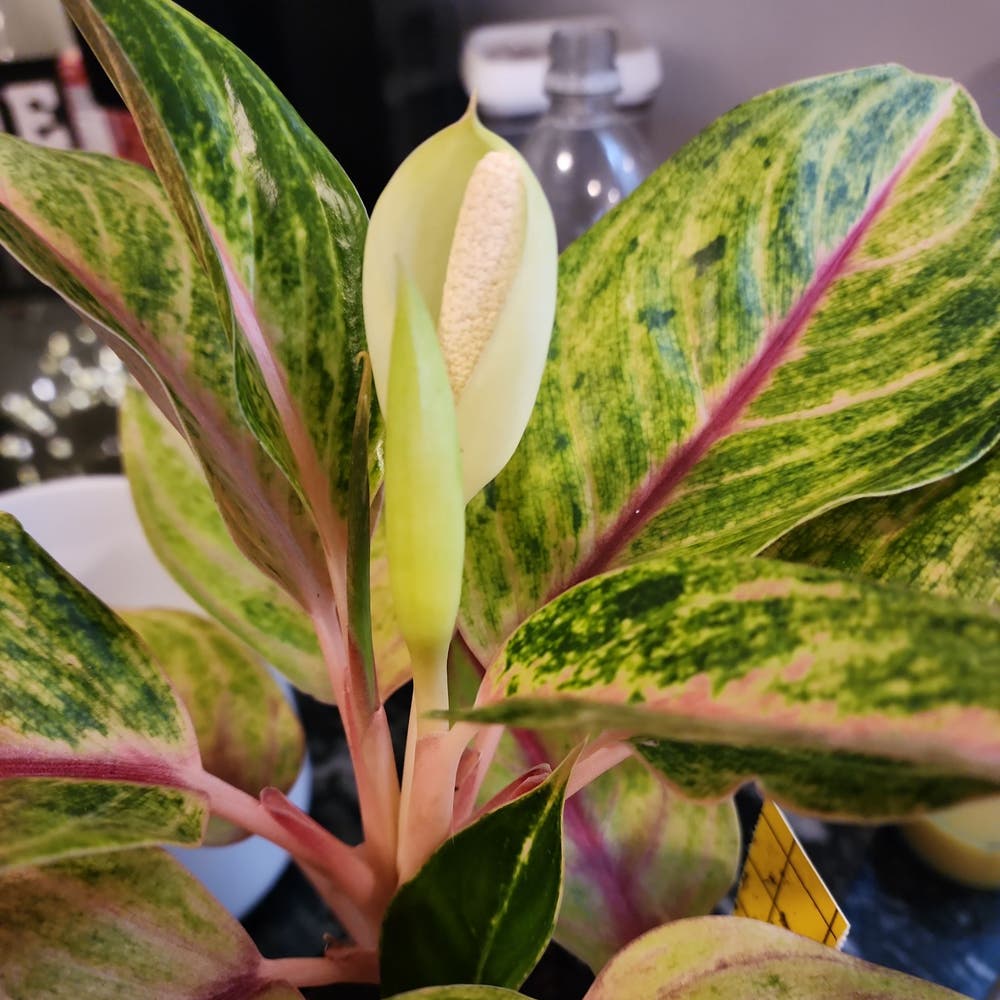
How Much Humidity Does My Aglaonema 'Golden Fluorite' Need?
Aglaonema 'Golden Fluorite'
By the Greg Editorial Team
Feb 11, 2024•3 min read
This article was created with the help of AI so we can cover more plants for you. May contain errors. See one? Report it here.
- 🍂 Brown tips mean low humidity; aim for 60-70% for Aglaonema 'Golden Fluorite'.
- 🌫️ Too much humidity? Watch out for rot and mold.
- 💧 Use hygrometers, pebble trays, or humidifiers to manage humidity levels.
Spotting the Signs: Humidity's Impact on Aglaonema 'Golden Fluorite'
🌵 When the Air's Too Dry
Brown tips on your Aglaonema 'Golden Fluorite' leaves are the plant's equivalent of a distress flare. Crispy edges are a dead giveaway that your green companion is gasping for some atmospheric moisture.
Long-term, a lack of humidity can turn your plant's lush landscape into a desiccated wasteland. Spider mites may also RSVP to this dry party, further stressing your plant.
💦 When It's a Humidity Party
On the flip side, leaves that resemble a soggy paper towel are crying out from too much humidity. This overindulgence can lead to a fungal fiesta, with rot and mold as the unwelcome guests.
High humidity environments are like a botanical back-alley, perfect for all sorts of microbial mischief. Keep an eye out for limp foliage and a general look of defeat—it's a sign your plant is drowning in dampness.
Nailing the Sweet Spot: Ideal Humidity Levels
🌡️ The Magic Range
Aglaonema 'Golden Fluorite' thrives in a humidity range of 60-70%. Straying outside this zone can trigger a foliage freak-out. Too low, and leaves desiccate; too high, and you're in rot territory.
🌬️ Relative Humidity vs. Your Aglaonema
Relative humidity is the diva here, affecting your plant's moisture uptake. Absolute humidity's just a number—what matters is how saturated the air feels to your Aglaonema. Keep it comfy, and those leaves will thank you.
Keeping Tabs: Measuring and Adjusting Humidity
🌡️ Tools of the Trade
Hygrometers are essential for pinpointing indoor humidity levels. These gadgets give you the lowdown on moisture in the air, letting you adjust your Aglaonema 'Golden Fluorite' care accordingly. Digital hygrometers often feature memory functions, tracking highs and lows to paint a complete picture of your plant's environment.
🌍 Local Climate and Indoor Humidity
Your local weather is a sneaky influencer of indoor humidity. Keep an eye on weather reports—they're not just for deciding whether to grab an umbrella, but also for predicting indoor humidity shifts. Air circulation plays a big part too; use fans or crack a window to keep things fresh. Remember, different rooms can have different climates, so compare readings to find the perfect spot for your Aglaonema.
Humidity Hacks: Easy Adjustments for Your Aglaonema
💦 Boosting Humidity
Pebble trays are a no-fuss method to up the humidity. Just fill a tray with stones, pour in some water, and set your plant pot on top. The water evaporates, giving your Aglaonema 'Golden Fluorite' a mini-humidity boost without the risk of overwatering.
Considering a humidifier? It's a solid choice when your indoor air rivals a desert's dryness. Use it to dial in that perfect moisture level, but watch out for creating a rainforest; moderation is key.
🌬 Bringing Humidity Down
Got too much moisture? Time to talk ventilation. Cracking a window or turning on a fan can help balance out the humidity, ensuring your plant doesn't start swimming instead of thriving.
If you're dealing with a moisture marathon, a dehumidifier might be your MVP. It's like a dry breeze in a box, pulling excess water from the air and keeping those moisture-related issues at bay.
Remember, it's all about finding that sweet spot where your Aglaonema 'Golden Fluorite' feels right at home.
⚠️ Safety First
This content is for general information and may contain errors, omissions, or outdated details. It is not medical, veterinary advice, or an endorsement of therapeutic claims.
Always consult a qualified healthcare professional before using any plant as food, medicine, or supplement.
Never eat any plant (or feed one to pets) without confirming its identity with at least two trusted sources.
If you suspect poisoning, call Poison Control (800) 222-1222, the Pet Poison Helpline (800) 213-6680, or your local emergency service immediately.
Spotted an error? Please report it here.
Ensure your Aglaonema 'Golden Fluorite' flourishes by letting Greg track your humidity 🌡 and provide tailored advice to maintain that ideal 60-70% range.