How Should Echeveria 'Topsy Turvy' Be Cut Back?
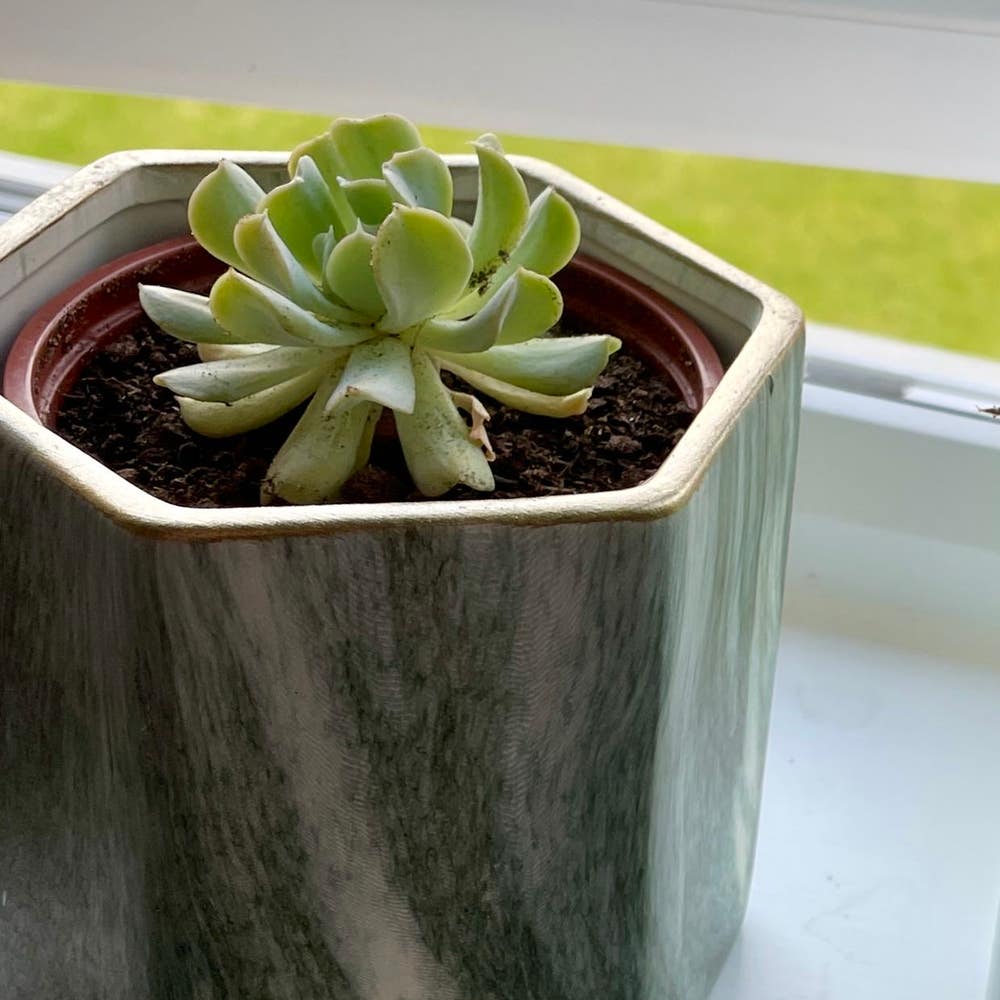
Echeveria runyonii 'Topsy Turvy'
By the Greg Editorial Team
Jun 18, 2024•5 min read
This article was created with the help of AI so we can cover more plants for you. May contain errors. See one? Report it here.
- Prune when overcrowded to prevent stunted growth and maintain shape.
- 🌱 Late dormant season is best for pruning; use sharp, disinfected tools.
- Aftercare is crucial: provide indirect light, avoid overwatering, and monitor health.
Spotting the Signs: When Your 'Topsy Turvy' Needs a Trim
🌱 Overgrowth and Crowding
Your Echeveria 'Topsy Turvy' is a bit like a socialite—it thrives on space and attention. When its leaves start to overlap like commuters on a rush-hour train, it's a sign. Overcrowding can stifle growth, blocking light and air circulation. This succulent's charm is in its open rosette form; if it's more bunched up than a group selfie, consider it time for a trim.
🍂 Damaged or Dead Leaves
Leaves that look like they've been through a paper shredder are a no-go. Damaged or dead leaves are not just an eyesore; they're freeloaders sapping energy from your plant. They can also be a beacon for pests or disease. If your 'Topsy Turvy' is sporting more brown than a coffee enthusiast's Instagram, snip those sad leaves away.
🌿 Leggy Growth and Loss of Shape
The 'Topsy Turvy' is known for its quirky, curvy leaves. When it starts to stretch out like it's reaching for the last cookie, that's leggy growth. It's the plant's way of saying, "I could use a little more light, please." This elongation is a threat to the compact, geometric beauty that is the hallmark of the 'Topsy Turvy'. A strategic prune will help it keep its iconic shape and prevent it from looking like it's had a bad hair day.

Getting Down to Business: Pruning Like a Pro
⏰ Timing is Everything
Pruning isn't a spur-of-the-moment decision. Late dormant season is your golden ticket, allowing your 'Topsy Turvy' to recover during its chill phase. It's like hitting the reset button at the perfect moment.
🛠 Choosing Your Tools
Your tools should be an extension of your hands: precise and sharp. Disinfect your pruning shears to prevent introducing any nasty bugs to fresh cuts. It's like washing your hands before a meal – basic, but crucial for health.
🌱 The Art of the Snip
Where to Cut
Aim for the junction where the leaf meets the stem. It's not just a snip; it's a strategic move directing future growth. Confidence is key – hesitate, and you might as well be cutting with a spoon.
Technique Matters
Use a single-bladed knife or shears for that clean, swift cut. It's not just about avoiding plant torture; it's about ensuring a quick recovery. Remember, you're not hacking through the jungle – you're sculpting a masterpiece.
Avoiding Common Mistakes
Over-pruning can leave your 'Topsy Turvy' looking like it's had a close encounter with a lawnmower. Less is more. Prune with purpose, focusing on damaged or overgrown parts to maintain the plant's quirky shape.

Immediate Aftercare: Post-Pruning Pampering
🌱 The First Few Days
After pruning your Echeveria 'Topsy Turvy', it's time for some TLC. In the first few days, treat your succulent like a VIP recovering from a minor procedure. Bright, indirect light is your plant's best friend during this period; direct sunlight is the frenemy. It's like putting your plant in a cozy recovery room away from the harshness of the world.
🕵️ Monitoring for Stress
Keep a vigilant eye on your 'Topsy Turvy' as if it's about to tell you where it hid the treasure. Signs of distress might show up as discoloration or wilting—don't ignore these red flags. If the soil feels drier than a comedian's humor, water it, but remember, your plant is not a fish; avoid overwatering like you'd avoid a spoiler to your favorite show.
Resist the urge to fertilize; it's like offering a steak to someone who just had their wisdom teeth out. Instead, consider a light snack, like a vitamin B complex, to boost recovery. It's the plant equivalent of a spa day, minus the fluffy robe and cucumber water.
🌍 Environmental Stress
Your 'Topsy Turvy' craves stability post-pruning. Keep it in its comfort zone—no dramatic temperature changes or relocations. Think of it as letting your plant binge-watch its favorite series while it recuperates; it needs that familiar spot on the couch.
🗑️ Debris Duty
Cleanup is crucial. Remove any fallen leaves or debris like you're Marie Kondo-ing your plant's living space. It's not just about aesthetics; it's about preventing the bad stuff, like disease, from crashing the recovery party.
👀 Monitoring New Growth
Watch for new growth like a hawk; it's the plant's way of signaling a thumbs up. If you see new shoots, it's like your 'Topsy Turvy' is telling you, "I'm back, baby!" But if you notice any damaged or excessive growth, prune it to refocus your plant's energy on coming back stronger. It's like cutting off the split ends for healthier hair.

What to Do With the Offcuts: A Quick Note on Cuttings
🌱 Quick Tips on Handling Cuttings
After pruning your Echeveria 'Topsy Turvy', you're left with a handful of offcuts. Don't toss them! These snippets can spark new life.
To Plant or Not to Plant
Propagating these cuttings is straightforward. Let them callous over for a few days, then nestle them into well-draining soil. With patience and a bit of care, they'll take root and grow into new plants.
The Right Environment
Ensure the cuttings are placed in a bright spot with indirect sunlight. Too much direct sun can be harsh on their healing tissues.
Watering Wisdom
Resist the urge to overwater. A light misting or a gentle watering every so often is enough to keep the soil slightly moist without causing rot.
Safety First
Remember, some plants can be toxic to pets. If your Echeveria 'Topsy Turvy' is one of them, make sure to dispose of or store cuttings safely.
Creative Uses
Feeling inventive? Use the cuttings for crafts or as gifts. They can be a unique way to share your love for succulents with friends and family.
Don't Overthink It
If propagation isn't your thing, compost the cuttings or dispose of them responsibly. Just make sure they don't carry any diseases that could spread in your compost bin.
⚠️ Safety First
This content is for general information and may contain errors, omissions, or outdated details. It is not medical, veterinary advice, or an endorsement of therapeutic claims.
Always consult a qualified healthcare professional before using any plant as food, medicine, or supplement.
Never eat any plant (or feed one to pets) without confirming its identity with at least two trusted sources.
If you suspect poisoning, call Poison Control (800) 222-1222, the Pet Poison Helpline (800) 213-6680, or your local emergency service immediately.
Spotted an error? Please report it here.
Ensure your Echeveria 'Topsy Turvy' stays sculpted and healthy ✂️ with Greg's tailored care reminders and post-pruning tips, keeping your succulent looking its best!