🌼 Ultimate Guide to Echeveria Lifecycle
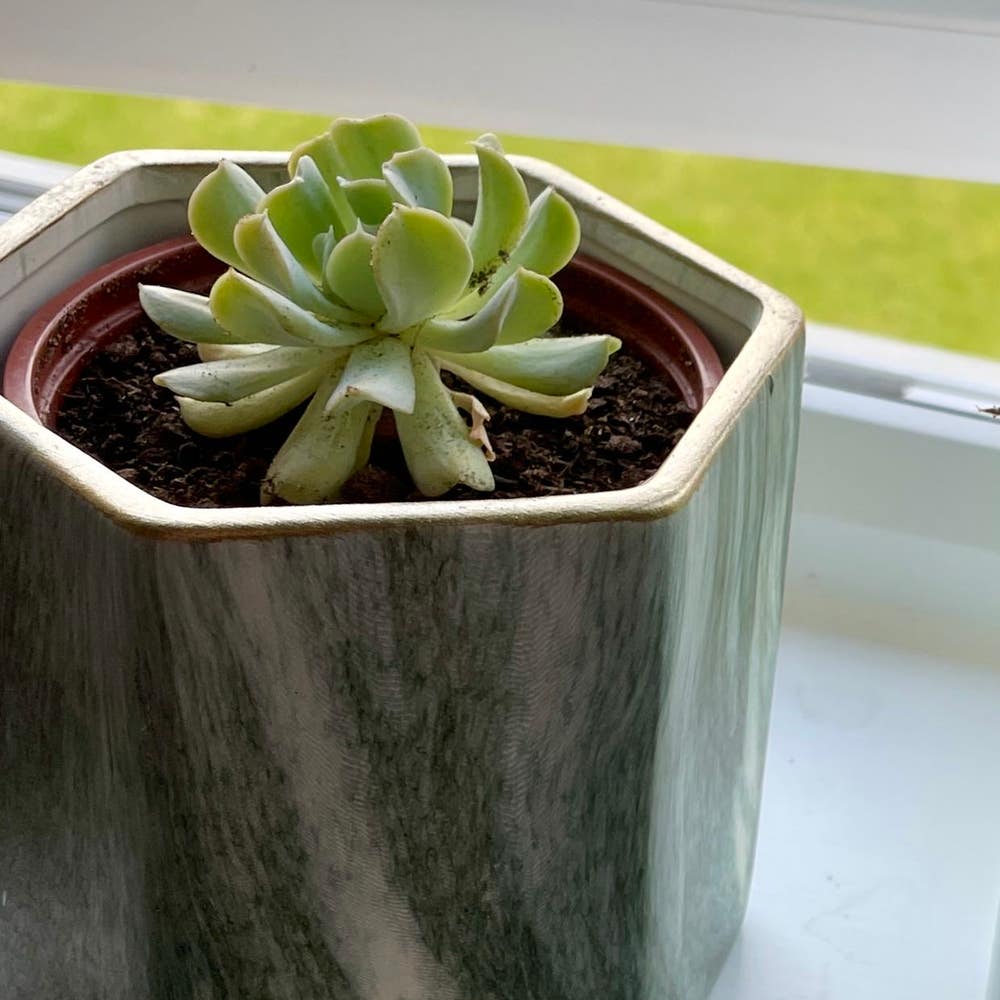
Echeveria runyonii 'Topsy Turvy'
By the Greg Editorial Team
Oct 16, 2024•6 min read
This article was created with the help of AI so we can cover more plants for you. May contain errors. See one? Report it here.
- 🌱 Germination takes 2-4 weeks; ensure optimal light, moisture, and temperature.
- 🌞 Bright, filtered light is crucial for healthy growth and vibrant flowers.
- 🌼 Echeveria flowers 1-2 years post-germination, attracting pollinators for reproduction.
Germination Stage
🌱 Duration of Germination
Germination for Topsy Turvy Echeveria typically takes 2-4 weeks. This timeframe can vary based on several factors, including temperature, moisture, and light conditions.
🌞 Conditions for Successful Germination
To ensure successful germination, start with a well-draining cactus mix.
Temperature Range
Maintain a temperature between 20°C to 25°C (68°F to 77°F) for optimal growth.
Light Exposure
Provide indirect sunlight or bright, filtered light to encourage healthy sprouting.
Moisture Levels
Keep the soil slightly moist but avoid waterlogging. This balance is crucial for the seeds to thrive without drowning.
By paying attention to these conditions, you set the stage for a healthy germination process. As your seeds sprout, you'll be one step closer to nurturing vibrant Echeveria plants.
Next, let's explore the exciting characteristics of seedlings as they begin to emerge.
Seedling Stage
Characteristics of Seedlings 🌱
Seedlings of Topsy Turvy Echeveria are a sight to behold. They emerge as small rosettes, showcasing delicate, twisted leaves that hint at their future beauty.
Typically, these seedlings measure about 1-2 inches in diameter. Their compact size makes them perfect for small pots or terrariums, adding a touch of charm to any space.
Duration and Care During This Stage ⏳
The seedling stage lasts around 4-6 weeks as the plants establish themselves. During this time, proper care is crucial for healthy growth.
Ensure they receive bright, filtered light to promote strong development. Keep the soil slightly moist but avoid overwatering, as this can lead to rot.
As you nurture your seedlings, watch for signs of growth. This stage is a rewarding period where you can witness the transformation from tiny sprouts to robust plants.
With the right conditions, your seedlings will thrive, setting the stage for the next exciting phase of their lifecycle.
Vegetative Growth Stage
🌱 Growth Patterns and Changes
During the vegetative growth stage, your Topsy Turvy Echeveria will start to showcase its true potential. You'll notice the formation of larger rosettes and an increase in leaf thickness, making the plant look more robust and healthy.
As the plant thrives, its leaf color may transform into a more vibrant hue, especially when exposed to adequate light. This change not only enhances its aesthetic appeal but also indicates that your plant is receiving the right care.
⏳ Duration of Vegetative Growth
The duration of this stage can vary significantly, lasting anywhere from 6 months to several years. Factors such as light, temperature, and soil quality play a crucial role in determining how quickly your Echeveria will mature.
Understanding these dynamics can help you provide the best environment for your plant, ensuring it grows strong and vibrant. As you nurture your Echeveria, you'll witness its transformation, setting the stage for the next exciting phase of its lifecycle.
Flowering Stage
Timing of Flowering 🌸
The flowering period for Topsy Turvy Echeveria typically spans from spring to summer. Expect your plant to bloom for the first time about 1 to 2 years after germination.
Characteristics of Flowers 🌼
These plants produce vibrant, tubular flowers that rise on tall stalks, creating a stunning visual display. You'll often see colors ranging from fiery red to bright orange and sunny yellow, adding a splash of life to your garden.
Pollination and Fertilization Process 🐝
Topsy Turvy Echeveria attracts a variety of pollinators, including bees and other insects, which play a crucial role in its reproduction. While self-pollination is possible, cross-pollination can significantly enhance seed production, leading to a more robust offspring.
As your Echeveria transitions into the flowering stage, it’s essential to provide the right conditions to support this vibrant display. The next section will delve into the fascinating process of seed production, where the magic of nature continues.
Seed Production Stage
How Seeds are Produced 🌱
After successful pollination, seed formation begins. This process is crucial for the continuation of the Topsy Turvy Echeveria lifecycle.
Once pollination occurs, the plant starts developing seed pods. This stage typically takes several weeks post-flowering, as the plant channels energy into creating viable seeds.
Duration and Conditions for Seed Production ⏳
The maturation of seed pods generally takes about 4-6 weeks. During this time, the plant requires adequate sunlight and moisture to ensure successful seed development.
Proper light exposure is essential; too little can hinder growth. Additionally, maintaining consistent moisture levels will support the health of the developing seeds.
As you observe this stage, remember that the seeds produced are the future of your Echeveria. They hold the potential for new life and growth, making this a particularly exciting phase in the plant's lifecycle.
With the seeds ready for harvest, we can now explore how long it takes for these plants to reach full maturity.
Growth Rate and Maturation
How Long Until Fully Grown? 🌱
Echeveria plants typically take about 2-3 years to reach full maturity. This timeframe can vary based on specific care and environmental conditions.
Factors Affecting Growth Rate ⚡️
Several factors can influence how quickly your Echeveria grows.
- Environmental Conditions: Adequate light, optimal temperature, and quality soil are crucial for healthy growth.
- Watering Practices: Be cautious with watering; overwatering can significantly slow down growth.
Average Lifespan ⏳
Under optimal conditions, Echeveria can live between 5 to 10 years. This lifespan allows for plenty of time to enjoy their beauty and unique characteristics.
Understanding these aspects of growth and maturation will help you cultivate a thriving Echeveria. As you nurture your plant, you'll notice how small adjustments can lead to remarkable changes over time.
Next, let’s explore the notable changes throughout the Echeveria lifecycle.
Notable Changes Throughout Lifecycle
🌱 Physical Changes During Each Growth Stage
During the germination stage, you'll witness the emergence of tiny rosettes. These delicate beginnings set the foundation for the plant's future growth.
As the plant transitions to the seedling stage, it develops thicker, more robust leaves. This transformation is crucial for the plant's resilience and overall health.
In the vegetative growth stage, larger rosettes begin to form, and you might notice potential branching. This is a sign that your Echeveria is thriving and preparing for its next phase.
Finally, during the flowering stage, tall flower stalks adorned with vibrant blooms appear. This spectacle not only enhances the plant's beauty but also signals its maturity.
💧 Changes in Care Requirements as the Plant Matures
As your Echeveria matures, the watering frequency decreases. This adjustment is essential to prevent overwatering, which can be detrimental.
Conversely, the fertilization needs increase during the flowering stage. Providing the right nutrients at this time will support healthy blooms and seed production.
🌞 Environmental Factors Influencing Lifecycle Stages
Light exposure is vital for healthy growth and flowering. Ensure your Echeveria receives adequate indirect sunlight to thrive.
Additionally, temperature fluctuations can significantly impact germination and growth rates. Maintaining a stable environment will help your plant flourish throughout its lifecycle.
Understanding these changes and requirements will empower you to nurture your Topsy Turvy Echeveria effectively. Next, let’s explore how long it takes for these beautiful plants to reach full maturity.
⚠️ Safety First
This content is for general information and may contain errors, omissions, or outdated details. It is not medical, veterinary advice, or an endorsement of therapeutic claims.
Always consult a qualified healthcare professional before using any plant as food, medicine, or supplement.
Never eat any plant (or feed one to pets) without confirming its identity with at least two trusted sources.
If you suspect poisoning, call Poison Control (800) 222-1222, the Pet Poison Helpline (800) 213-6680, or your local emergency service immediately.
Spotted an error? Please report it here.
Nurturing your Topsy Turvy Echeveria from seed to stunning bloom is effortless 🌼 with Greg's tailored care reminders and custom watering plans that ensure your plants thrive at every stage!