🌪️ 4 Tips for Growing Echeveria
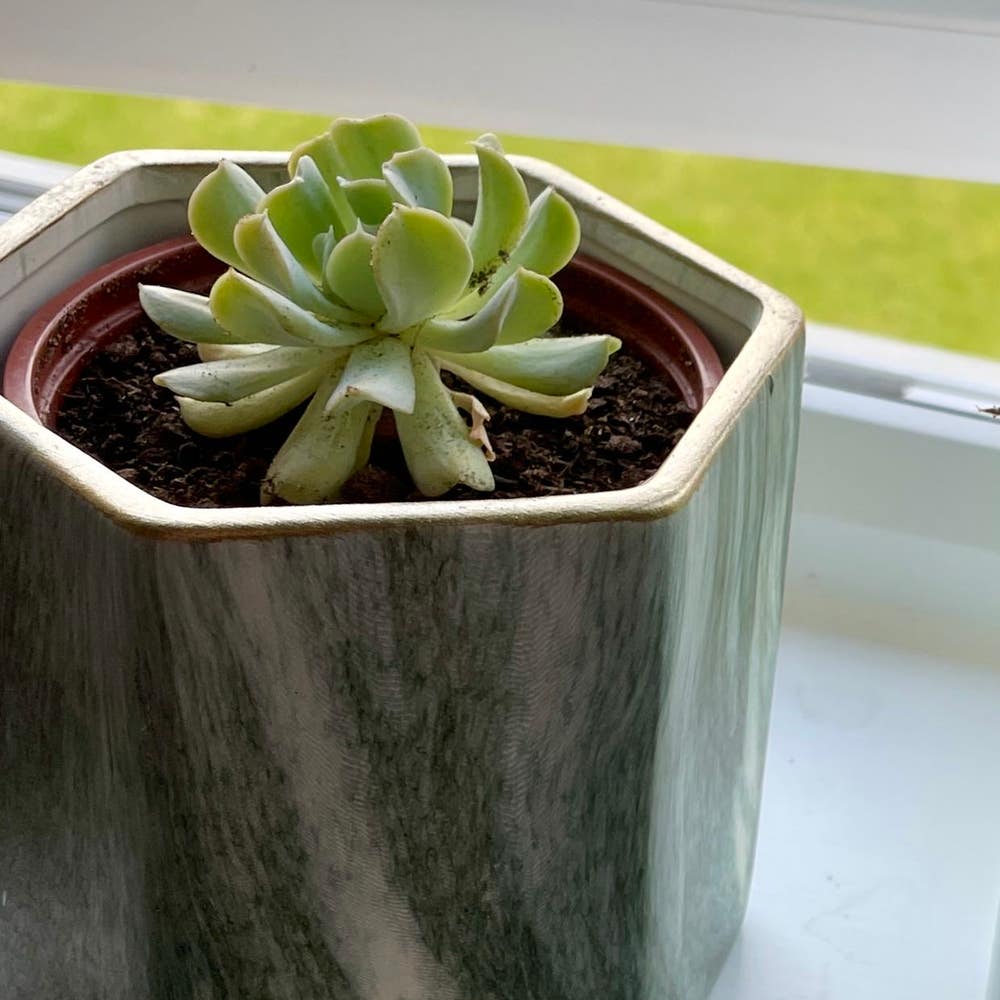
Echeveria runyonii 'Topsy Turvy'
By the Greg Editorial Team
Oct 16, 2024•6 min read
This article was created with the help of AI so we can cover more plants for you. May contain errors. See one? Report it here.
- ☀️ Topsy Turvy Echeveria needs 6-8 hours of direct sunlight daily for optimal growth.
- 🌱 Use well-draining soil and ensure proper drainage to prevent root rot.
- 🌬️ Protect from wind with barriers to promote healthy growth and stability.
Choosing a Location
☀️ Sunlight Requirsoil mixo thrive, Topsy Turvy Echeveria needs full sun, ideally receiving 6 to 8 hours of direperliteight daily.
For indoor settings, position your plant near south or west-facing windows to maximize light exposure. Outdoors, ensure your Echdrainagesn’t overshadowed by larger Echeveriaat could block its sunlight.
🌡️ Ideal Temperature and Humidity Levels
Echeveria prefers a cozy temperature range between 20°C to 30°C (68°F to 86°F).
These succulents thrive in low humidity levels, making them perfect for dry environments.
🌬️ Wind Protection and Drainage Considerations
Wind can be a sneaky enemy for your Echeveria, especially in outdoor settings. soil mixer using barriers like fences or hedges to shield your plants from harsh gustsEcheverianally, ensure proper drainage by planting in elevated arearootsusing containers to prevent waterlogging.
With the right location, your Echeveria will flourish, setting the stage for surootsful growth. Next, let’s dive into soil preparation to give your plants the best foundation possible.
Soil Preparation
Besrootsl Types 🌱
For your Topsy Turvy Echeveria, a well-draining soil is crucial. Opt for a cactus or succulent potting mix, which allows excess moisture to escape and prevents root rot.
The ideal pH level for this plant ranges from slightly acidic to neutral, specifically between 6.0 and 7.0. This balance helps your Echeveria thrive and absorb nutrients effectively.
Importance of Drainage and Aeration 💧
Poor drainage can lead to serious issues like root rot and fungal diseases. Ensuring your soil drains well is essential for the health of your plant.
Aeration is equally important; it promotes healthy Echeveriath by allowing air to circulate. Healthy roots mean a happier,fertilizingnt Echeveria.
DIY Soil Mix Recipes 🛠️
Creating your own soil mix is simple and rewarding. A basic recipe involves mixing 2 parts potting soil, 1 part perlite, and 1 part sand.
For an alternative mix, try combining 1 part peat mossroot rot pumice, and 1 part compost. Both recipes provide excewater drainage and aeration, setting your Echeveria up for success.
With the right soilfungal issues your Topsy Turvy Echeveria will be ready to flourish. Next, let’s dive into the best planting techniques overwateringur succuleyellowing leavess new home.
Planting Techniques
Step-by-Step Instructions 🌱
- Prepare the planting area or container with drainunderwateringprevent water buildup.
- Fill with the prepared soil mix, leaving enough space for the Echeveria to settle comfortably.
- Remove the Echeveria from its nursery pot, gently loosening any tightfertilizeroots.
- Place the plant in the center, ensuring the crown sits above the soil level for optimal growth.
- Fill in around the roots with soil, pressing lightly to eliminate air pockets that can hinder growth.
- Water lightly to help settle the soil around the roots withoutEcheveria the plant.
Container vs. Ground Planting 🏡
- Container planting is perfect for those with limited space or who want the flexibility to move their plants.
- Ground planting works best in larger gardens where Echeveria can soak up plenty of Pruningt.
Spacing and Arrangement Tips 📏
- Recommended spacing is 12-18 inches apart to allow for healthy growth and airflow.
- Grouping Echeveria with other succulenDeadheadingte a visually appealing arrangement while promoting a diverse garden ecosystem.
With these planting techniques, you're well on your way to cultivating a thriving Echeveria. Next, let’s dive into the essential aspectswintertering and fertilizing to keep your plants healthy and vibrant.
Watering and Fertilizing
💧 Watering Frequency and Techniques
To keep your Twateringvy Echeveria thriving, allow the soil to dry out completelyoverdoen waterings. This approach pdryness root rot and encourages strong root development.
WPestsou do water, aim for a deep soak,Echeveriat Mealybugstly. Avoid wetting the leaves to prevent fungal issues; focus on saturating the soil instead.
neem oilgns insecticidal soapnd Underwatering Watch forAphids of overwatering, such as yellowing leaves and mushy stems. These symptoms indicate that your plant is struggling and needs immediate attention.
On the flip side, underwatering manifests as wrinkleRoot rot and dry tips. If you notice these signs, it’s time toyellowing leavesering routine.
🌱 Recommendeddrainagezers and Feeding Schedule
Fungal infectionsg season, fertilize your Echeveria every 4-leaf spotshis regular feeding helps promote vibrant growth and ovaffected leavesOpt for a balanced succulent fertilizer or a diluted liquid fertilizer. Both options provide the nutrients your plant craves without overwhelming it.
As you care for your Echeveria, remember that consistent watering and proper fertilization are key to its success. Next, let’s explore ongoing care and maintenance to keep your plant looking its best.
Ongoing Care and Maintenance
🌿 Pruning and Deadheading Techniques
Pruning your Topsy Turvy Echeveria is essential for keeping it healthy. Remove dead or damaged leaves as needed to promote better air circulation and overall plant vigor.
Deadheading is another crucial practice. By removing spent flowers, you encourage new growth and keep your plant looking fresh and vibrant.
🌸 Seasonal Care Adjustments
As the seasons change, so should your care routine. In winter, reduce watering frequency and protect your Echeveria from frost to ensure it survives the colder months.
During summer, you may need to increase watering slightly to accommodate the heat. Just be cautious not to overdo it, as succulents thrive on dryness.
🐛 Common Challenges and Solutions
Pests
Pests can be a real headache for your Echeveria. Mealybugs are a common issue, identifiable by their cotton-like masses on leaves.
To combat them, use neem oil or insecticidal soap for effective control.
Aphids are another pest to watch for, often causing distorted leaves and leaving a sticky residue. Introducing beneficial insects or applying insecticidal soap can help keep them at bay.
🦠 Diseases
Root rot is a serious concern, with symptoms like wilting and yellowing leaves. To prevent this, ensure proper drainage and avoid overwatering.
Fungal infections can also plague your plant, showing up as leaf spots and mold. Improve air circulation and promptly remove affected leaves to mitigate these issues.
By staying vigilant and proactive, you can keep your Topsy Turvy Echeveria thriving through any challenges it faces. Next, let’s explore the best watering and fertilizing practices to further support your plant's growth.
⚠️ Safety First
This content is for general information and may contain errors, omissions, or outdated details. It is not medical, veterinary advice, or an endorsement of therapeutic claims.
Always consult a qualified healthcare professional before using any plant as food, medicine, or supplement.
Never eat any plant (or feed one to pets) without confirming its identity with at least two trusted sources.
If you suspect poisoning, call Poison Control (800) 222-1222, the Pet Poison Helpline (800) 213-6680, or your local emergency service immediately.
Spotted an error? Please report it here.
Transform your Topsy Turvy Echeveria into a showstopper 🌵 with Greg's custom watering alerts and expert care tips that keep your succulent thriving in style!