8 Common Topsy Turvy Echeveria Flowering Issues 🌸
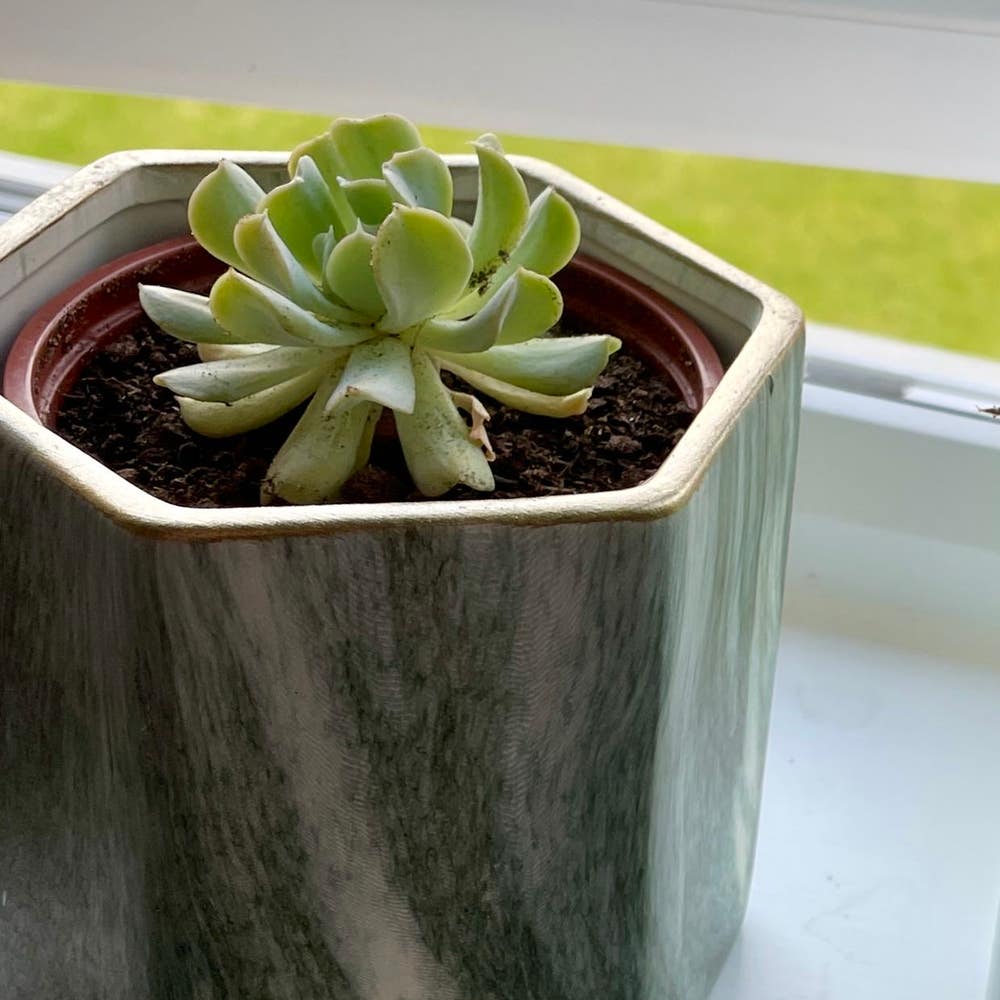
Echeveria runyonii 'Topsy Turvy'
By the Greg Editorial Team
Oct 16, 2024•3 min read
This article was created with the help of AI so we can cover more plants for you. May contain errors. See one? Report it here.
- 🌞 Echeveria needs 6-8 hours of bright, indirect sunlight for optimal blooming.
- 🌱 Nutrient deficiencies, especially phosphorus, hinder flower development; use balanced fertilizer regularly.
- 🌡️ Maintain temperatures between 65°F to 80°F to prevent stress and promote flowering.
Flowering Issues in Topsy Turvy Echeveria
🌸 Failure to Bloom
Potential Causes
Insufficient sunlight can significantly hinder the bloom cycle of Topsy Turvy Echeveria. Additionally, a lack of essential nutrients may affect flower development, while extreme temperatures can disrupt the flowering process.
Solutions and Care Adjustments
To encourage blooming, ensure your plant receives 6-8 hours of bright, indirect sunlight daily. Nutritional adjustments are also crucial; use a balanced fertilizer high in phosphorus during the growing season. Lastly, maintain temperatures between 65°F to 80°F (18°C to 27°C) for optimal growth.
🌼 Premature Flower Drop
Identifying Symptoms
Watch for flowers that drop before opening, as this indicates stress. Wilting or shriveling of buds is another sign that your plant may be struggling.
Causes
Stress factors like overwatering, underwatering, or sudden environmental changes can lead to premature flower drop. Pests can also weaken the plant, resulting in bud loss.
Remedies and Preventive Measures
Ensure consistent moisture without waterlogging to improve watering practices. Regularly inspect for pests and treat infestations with insecticidal soap if necessary.
🌺 Abnormal Flower Development
Description of Abnormal Flowers
Abnormal flowers may appear deformed or stunted, with tubular shapes that look misshapen or smaller than usual. You might also notice unusual colors or patterns that deviate from the norm.
Causes
Genetic factors can lead to inherent issues affecting flower development. Environmental stress, such as poor growing conditions, can also contribute to abnormal growth.
Solutions to Encourage Proper Development
Optimize growing conditions by ensuring proper light, temperature, and watering practices. Consider propagating from healthy plants with desirable flower traits to improve genetic selection.
🌞 Environmental Factors Affecting Flowering
Light Requirements
Importance of Light for Blooming
Light is essential for photosynthesis and energy production, both crucial for flower development.
Signs of Insufficient Light
If your plant exhibits stretching or leggy growth, it may be reaching for light, indicating inadequate exposure.
Nutritional Needs
Essential Nutrients for Flowering
Key nutrients like nitrogen, phosphorus, and potassium are vital for optimal bloom production.
Fertilization Tips for Echeveria
Apply a diluted, balanced fertilizer every 4-6 weeks during the growing season to meet your plant's nutritional needs.
Temperature Considerations
Ideal Temperature Ranges for Flowering
Maintain an optimal temperature range of 65°F to 80°F (18°C to 27°C) for healthy blooms.
Effects of Temperature Fluctuations
Stress from extreme heat or cold can lead to poor flowering or bud drop, so keep an eye on temperature changes.
🐞 Pests and Diseases Impacting Flowering
Common Pests
Identification of Pests Affecting Blooms
Common pests like aphids, mealybugs, and spider mites can damage flowers and hinder blooming.
Treatment Options and Prevention
Use neem oil or insecticidal soap as effective treatments for pest infestations. Regular monitoring can help catch issues early.
Diseases
Fungal and Bacterial Issues
Diseases like root rot and leaf spot can affect overall plant health and flowering.
Solutions and Care Practices to Mitigate Risks
Ensure well-draining soil to prevent overwatering, which reduces the risk of root rot.
By addressing these flowering issues, you can help your Topsy Turvy Echeveria thrive and produce beautiful blooms. Next, let’s explore the specific pests and diseases that can impact flowering.
⚠️ Safety First
This content is for general information and may contain errors, omissions, or outdated details. It is not medical, veterinary advice, or an endorsement of therapeutic claims.
Always consult a qualified healthcare professional before using any plant as food, medicine, or supplement.
Never eat any plant (or feed one to pets) without confirming its identity with at least two trusted sources.
If you suspect poisoning, call Poison Control (800) 222-1222, the Pet Poison Helpline (800) 213-6680, or your local emergency service immediately.
Spotted an error? Please report it here.
Boost your Topsy Turvy Echeveria's blooming potential 🌸 with Greg's tailored care reminders, ensuring it gets the light, nutrients, and attention it needs to thrive!