🌵 4 Steps to a Healthy Indoor Echeveria 'Topsy Turvy'
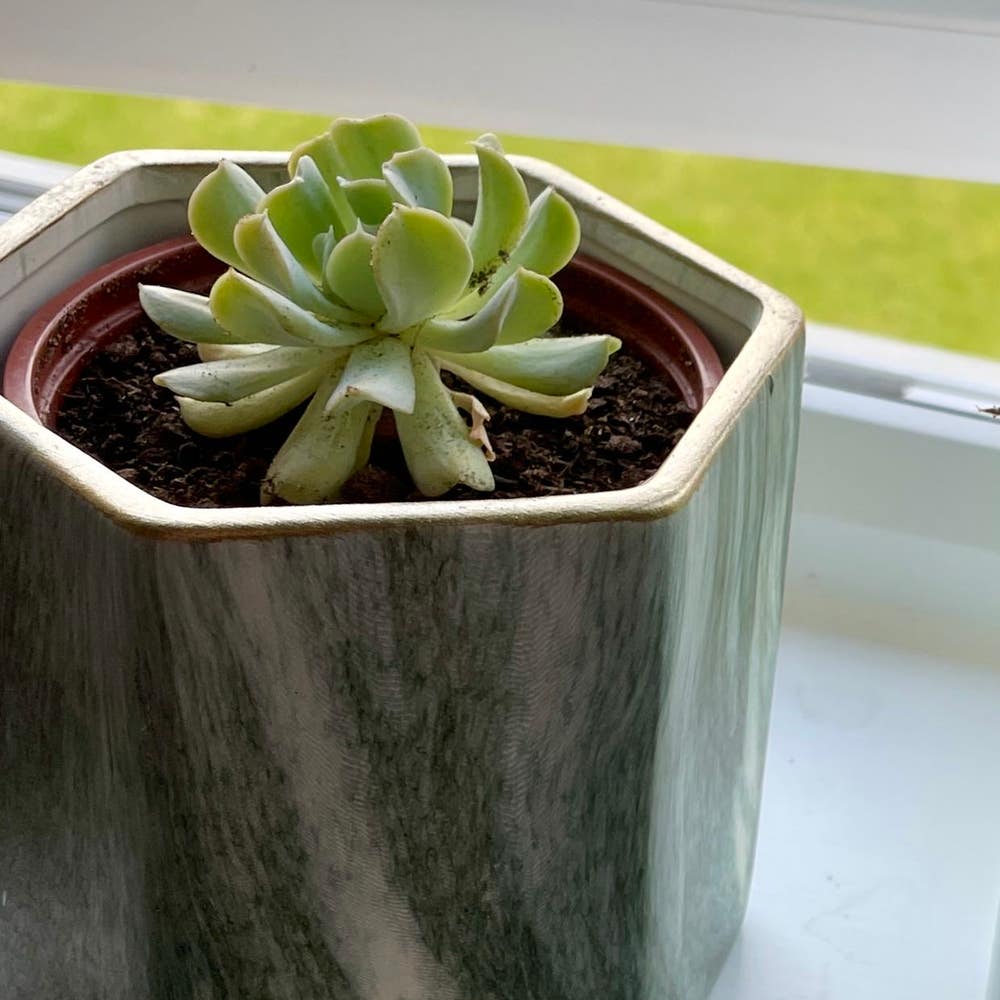
Echeveria runyonii 'Topsy Turvy'
By the Greg Editorial Team
Sep 29, 2024•5 min read
This article was created with the help of AI so we can cover more plants for you. May contain errors. See one? Report it here.
- 🌞 Echeveria 'Topsy Turvy' needs 6-8 hours of bright, indirect light daily.
- 💧 Water thoroughly, allowing soil to dry completely to prevent root rot.
- 🌱 Use well-draining soil and fertilize monthly for optimal growth.
Light Requirements
Ideal Indoor Light Levels 🌞
Bright, indirect light is crucial for your Echeveria 'Topsy Turvy' to thrive. Aim for 6-8 hours of light daily to keep its shape and vibrant color.
If your plant isn't getting enough light, you'll notice elongated stems and pale leaves. These signs indicate it's time to reassess its lighting situation.
Role of Grow Lights 💡
When natural light falls short, grow lights can be a game changer. They effectively supplement indoor light levels, ensuring your plant gets what it needs.
Best Grow Light Options:
- LED Grow Lights: These are energy-efficient and have a long lifespan.
- Full-Spectrum Lights: They mimic natural sunlight, providing a balanced light spectrum.
Choosing the Right Grow Light:
- Wattage and Coverage Area: Ensure the light is powerful enough for your space.
- Adjustable Height: This feature allows you to maintain the optimal distance from your plant as it grows.
With the right light setup, your Echeveria will flourish, setting the stage for healthy growth and vibrant colors. Next, let’s dive into its watering needs to keep your plant hydrated and happy.
Watering Needs
How to Water 🌊
Watering your Echeveria 'Topsy Turvy' is straightforward. Allow the soil to dry out completely between waterings to promote healthy growth.
For the best results, use the soak and dry technique. First, water thoroughly until it drains from the bottom. Then, wait until the top 1-2 inches of soil are dry before watering again.
Signs of Overwatering and Underwatering 🚨
Recognizing the signs of overwatering is crucial. Look for yellowing leaves and a mushy texture, which can indicate root rot. If you notice a foul smell or dark roots, it’s time to reassess your watering routine.
On the flip side, underwatering can also cause problems. Wrinkled leaves and stunted growth are common indicators. If the edges of the leaves become crispy, your plant is likely thirsty.
Understanding these watering needs will help you keep your Echeveria thriving. Next, let’s explore the ideal humidity and temperature conditions for optimal growth.
Humidity and Temperature
Ideal Humidity Levels 🌬️
Echeveria thrives in low humidity levels, ideally between 30-50%.
To maintain this, avoid placing your plant near humidifiers or in rooms with high moisture. If humidity becomes an issue, consider using a dehumidifier to create a more suitable environment.
Temperature Preferences 🌡️
The optimal temperature range for Echeveria is between 65°F to 80°F (18°C to 27°C).
During colder months, protect your plant from chilly drafts, and steer clear of heating vents that can cause temperature fluctuations. Keeping these conditions in check will help your Echeveria flourish.
With the right humidity and temperature, your Echeveria will be well on its way to thriving. Next, let’s explore the best soil and fertilization practices to keep your plant healthy and vibrant.
Soil and Fertilization
Best Soil Type 🌱
Well-draining soil is crucial for your Echeveria 'Topsy Turvy' to thrive and avoid root rot.
For the best results, use a cactus or succulent potting mix, and consider adding perlite or sand to enhance drainage.
Fertilization Schedule 📅
Fertilizing your Echeveria is essential for its growth, especially during the active growing season.
Aim to fertilize once a month in spring and summer using a balanced, diluted liquid fertilizer, like a 10-10-10 mix.
Be cautious, as over-fertilization can lead to leaf burn and discoloration.
By keeping an eye on your plant's needs and adjusting accordingly, you’ll ensure it remains vibrant and healthy.
With the right soil and fertilization practices, your Echeveria will flourish, setting the stage for the next essential aspect of care: addressing common issues and solutions.
Common Issues and Solutions
🐞 Common Pests and Prevention
Echeveria plants can attract a few pesky pests. The most common offenders are mealybugs, which appear as cotton-like clusters on leaves, and aphids, tiny green insects that love to munch on new growth.
To keep these pests at bay, regular inspection is key. Clean the leaves frequently to remove any potential invaders, and consider using neem oil or insecticidal soap for effective treatment.
🔧 Troubleshooting Problems
Leaf drop is a common issue that often stems from overwatering or sudden temperature changes. If you notice leaves falling, it's a sign to reassess your watering habits and environmental conditions.
Discoloration, particularly yellowing leaves, may indicate a nutrient deficiency or over-fertilization. To remedy this, adjust your watering schedule and check the soil drainage. Additionally, monitor light levels and reposition your plant if necessary.
By staying vigilant and proactive, you can ensure your Echeveria remains healthy and vibrant. Next, let’s explore the best placement and maintenance tips to keep your plant thriving.
Placement and Maintenance
Best Placement Within the Home 🌞
For your Echeveria 'Topsy Turvy' to thrive, place it in south or west-facing windows. These spots provide the bright light it craves, ensuring vibrant color and shape.
Avoid dark corners or areas with fluctuating temperatures. Consistency is key for this succulent's health.
Tips for Maintaining Appearance ✂️
To keep your plant looking its best, regularly dust the leaves. This simple act enhances photosynthesis and keeps your Echeveria vibrant.
Rotate the plant periodically to promote even growth. Additionally, prune any dead or damaged leaves to encourage new growth and maintain its aesthetic appeal.
With these tips, your Echeveria will not only survive but flourish, bringing a touch of nature into your home. Next, let’s explore common issues and solutions to keep your plant in top shape.
⚠️ Safety First
This content is for general information and may contain errors, omissions, or outdated details. It is not medical, veterinary advice, or an endorsement of therapeutic claims.
Always consult a qualified healthcare professional before using any plant as food, medicine, or supplement.
Never eat any plant (or feed one to pets) without confirming its identity with at least two trusted sources.
If you suspect poisoning, call Poison Control (800) 222-1222, the Pet Poison Helpline (800) 213-6680, or your local emergency service immediately.
Spotted an error? Please report it here.
Keep your Echeveria 'Topsy Turvy' thriving 🌱 by following these care tips, and let Greg provide you with tailored reminders to ensure your succulent gets just the right amount of light and water!