Why Are My Echeveria 'Topsy Turvy' Leaves Turning Yellow?
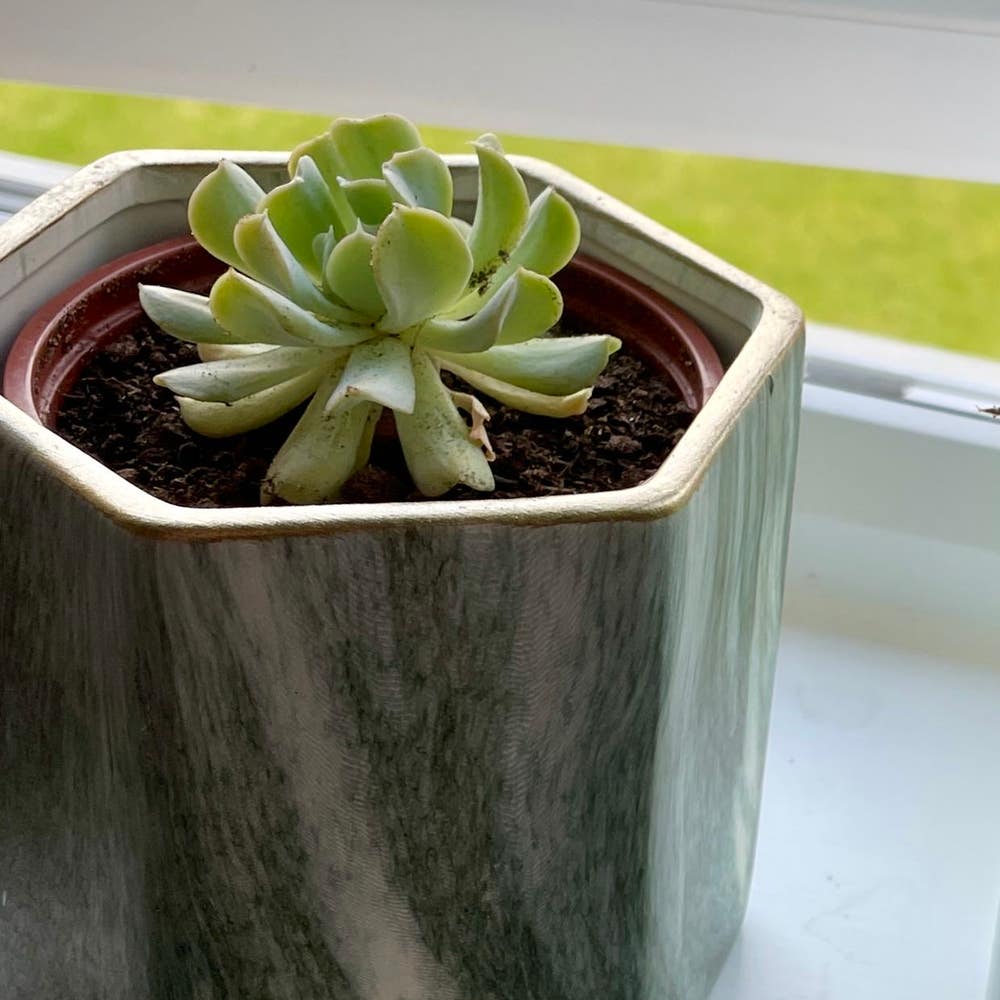
Echeveria runyonii 'Topsy Turvy'
By the Greg Editorial Team
Jun 18, 2024•4 min read
This article was created with the help of AI so we can cover more plants for you. May contain errors. See one? Report it here.
- Yellow leaves signal distress; overwatering and underwatering are common causes.
- 🌞🌱 Balance sunlight and inspect for pests to keep leaves vibrant.
- Repot with fresh, well-draining soil to rejuvenate and nourish your Echeveria.
Spotting Trouble: Identifying Yellow Leaves on Your Echeveria
🚨 Recognizing the Symptoms
Yellowing leaves on your Echeveria 'Topsy Turvy' can be a distress signal. It's crucial to differentiate between the natural aging process, where older leaves at the bottom may yellow and drop off, and widespread yellowing, which indicates a problem.
🚦 Common Stress Signals
Early signs of stress in Echeveria include slight discoloration or a change in leaf texture. Catching these subtle changes can prevent full-blown yellowing. Keep an eye out for leaves that lose their plumpness or firmness, as these can precede yellowing.

Unraveling the Causes of Yellow Leaves
🌊 Too Much Love: The Perils of Overwatering
Overwatering is a common culprit behind yellow leaves. It's like a helicopter parent for plants—too much hovering drowns the roots. Signs to watch for include leaves that are soft and yellow, and soil that's constantly wet.
🏜️ Thirsty Roots: When Underwatering Takes a Toll
On the flip side, underwatering leaves your Echeveria 'Topsy Turvy' gasping for moisture. The leaves may become dry, brittle, and yellow. Check the soil before watering; it should be dry to the touch, not parched and lifeless.
🌞 Sunburn Scars: Finding the Sweet Spot for Sunlight
Too much sun can scorch leaves, turning them yellow or brown. Moderation is key. Your Echeveria needs bright, indirect light—not a day-long bake in the sun's harsh rays.
🐜 Unwanted Guests: Pest Infestations and Plant Stress
Pests are stealthy invaders that can cause yellowing. Look out for tiny bugs or webbing on your plant. Early detection is crucial—inspect regularly and act fast if you spot these unwelcome guests.

Turning Over a New Leaf: Remedies and Prevention
💧 Fine-Tuning Your Watering Technique
Watering your Echeveria 'Topsy Turvy' is more art than science. Ditch the calendar; your succulent's thirst varies. Check the soil's moisture with your finger or a probe—water thoroughly only when completely dry. This "soak and dry" method prevents overzealous watering, a common misstep among succulent enthusiasts.
🌞 Creating a Sunlight Sanctuary
Your plant craves sunlight, but not too much. Strike a balance to avoid a sunburnt or stretched-out Echeveria. Gradually introduce it to brighter conditions to prevent shock. If natural light is scarce, consider grow lights to simulate the sun's embrace.
🐜 Keeping Pests at Bay
Pests like mealybugs and spider mites are the bane of Echeveria 'Topsy Turvy'. Inspect regularly and act fast at the first sign of trouble. A blast of water or insecticidal soap can knock pests off their feet. For a more natural approach, neem oil is your go-to. Preventive care, including proper watering and dusting leaves, is your best defense against these sneaky invaders.

When to Start Fresh: Soil and Repotting Essentials
🌱 Assessing Soil Health
Compacted soil is a death sentence for Echeveria 'Topsy Turvy'. If the soil is harder than your last math exam, it's time for a change. Check for roots peeking out of drainage holes or a top layer that's drier than a stand-up comedian's wit. These are telltale signs that your plant's soil universe needs a reboot.
🌿 The Repotting Process
First, choose the right time: spring or summer, when your plant's ready to grow, not just when you're bored. Grab a new pot that's slightly larger than the old one—think of it as upgrading from a studio to a one-bedroom apartment.
- Tease out the roots gently. If they're tangled like last year's Christmas lights, it's definitely repotting o'clock.
- Ditch the old soil like it's gone out of fashion. Mix up a fresh, well-draining potting mix—think equal parts potting soil, perlite, and sand. Your plant will think it's hit the jackpot.
- Plant and backfill with your gourmet soil mix. Press lightly, like you're tucking in a child, not making dough.
- Water and fertilize to celebrate the new digs. This isn't just a courtesy; it's like a housewarming party for your plant's roots.
Remember, fresh soil isn't just a luxury; it's the nutrient-rich buffet your Echeveria craves. And please, for the love of foliage, don't reuse old soil. That's like feeding your plant leftovers—nobody wants that.
⚠️ Safety First
This content is for general information and may contain errors, omissions, or outdated details. It is not medical, veterinary advice, or an endorsement of therapeutic claims.
Always consult a qualified healthcare professional before using any plant as food, medicine, or supplement.
Never eat any plant (or feed one to pets) without confirming its identity with at least two trusted sources.
If you suspect poisoning, call Poison Control (800) 222-1222, the Pet Poison Helpline (800) 213-6680, or your local emergency service immediately.
Spotted an error? Please report it here.
Turn your Echeveria 'Topsy Turvy' from yellow to mellow 🌱 with Greg's custom watering schedule and pest prevention tips, ensuring your succulent thrives.