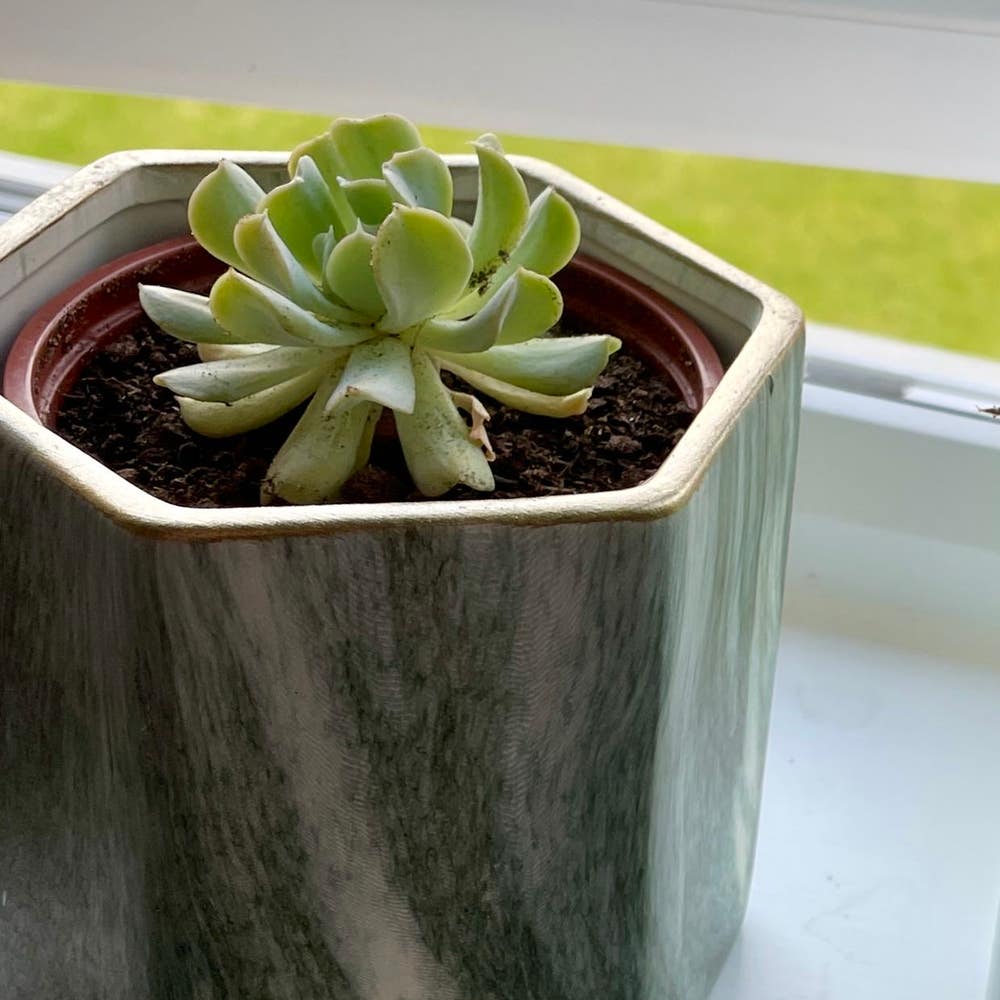
🐛 What To Do About Bugs on My Echeveria 'Topsy Turvy'?
Echeveria runyonii 'Topsy Turvy'
By the Greg Editorial Team
Jun 18, 2024•3 min read
This article was created with the help of AI so we can cover more plants for you. May contain errors. See one? Report it here.
- 🌱 Combat common pests with neem oil, insecticidal soap, or alcohol.
- Early detection is key; inspect and quarantine new plants.
- Prevent infestations by managing soil moisture and keeping the area tidy.
Meet the Unwanted Guests: Common Pests of Echeveria 'Topsy Turvy'
🕷️ Spider Mites: The Sneaky Sap-Suckers
Tiny but mighty, spider mites can turn your Echeveria 'Topsy Turvy' into a ghost town with their fine webbing and leaf stippling.
Fight back with neem oil or insecticidal soap, and keep these critters at bay with regular leaf inspections and isolation of new plants.
🦠 Scale: The Sticky Freeloaders
Scale insects masquerade as part of your plant with their raised bumps on stems and leaves.
Eviction notice: Rubbing alcohol or horticultural oil will send them packing. Prevent future infestations by quarantining new plants and inspecting them thoroughly.
🦟 Fungus Gnats and Fruit Flies: The Soil Lurkers
If you spot small flies or larvae in the soil, you've got fungus gnats or fruit flies throwing a rave in your potting mix.
Trap and attack with sticky traps and beneficial nematodes, and manage soil moisture to dry out the party scene.
🐛 Mealybugs: The Fluffy Vandals
White cottony clusters are the calling card of mealybugs, and they're not here to decorate.
Alcohol to the rescue: Dabbing with rubbing alcohol or applying insecticidal soap will clean up their act. Stay vigilant with frequent plant check-ups.
🦗 Thrips: The Leaf Disfigurers
Silver streaks and stippling are the hallmarks of thrips damage, making your succulent look like it's been in a miniature street fight.
Natural and chemical defenses like neem oil or insecticidal soap can help, but keeping the plant area tidy is your best bet for prevention.

The Bug Battle Plan: Integrated Pest Management for Echeveria 'Topsy Turvy'
🛡️ Combining Forces: Organic and Chemical Controls
Integrated Pest Management (IPM) is the strategy you need for your Echeveria 'Topsy Turvy'. It's a blend of organic wisdom and chemical savvy. Start with the gentler stuff. Neem oil and insecticidal soap are your first line of defense. They're like bouncers, keeping the riff-raff at bay.
👀 Early Detection: The Pest Patrol
Early detection is crucial. It's the difference between a minor annoyance and a full-scale bug invasion. Regular plant check-ups are non-negotiable. Spot a pest? Isolate your plant faster than you'd unfriend a spoiler-happy acquaintance on social media.
🏰 Creating a Fortress: Cultivate a Pest-Resistant Environment
A clean plant space is a happy plant space. Remove dead leaves and debris where bugs love to party. Overcrowding? Not on your watch. Space out your Echeveria to avoid a pest palooza. And remember, healthy plants are less inviting to pests, so keep your 'Topsy Turvy' in tip-top shape.
🐜 Biological Warfare: Call in the Reinforcements
Sometimes, you need to call in the cavalry. Beneficial insects like ladybugs aren't just cute; they're carnivorous when it comes to aphids. Outdoors, create a garden that welcomes these allies. Indoors, consider biological controls like predatory mites for a nature-approved smackdown.
☠️ Chemical Warfare: The Last Resort
If all else fails, it's time for the big guns. Least-toxic pesticides should be your last resort. Products like Spinosad can be effective, but always test a small area first. Your 'Topsy Turvy' is tough, but it's not invincible.
The IPM Lifestyle
Embrace IPM as more than a strategy—it's a lifestyle for your succulent. With these tactics in your arsenal, your Echeveria 'Topsy Turvy' will be more fortress than buffet, and those bugs will have to dine elsewhere.


⚠️ Safety First
This content is for general information and may contain errors, omissions, or outdated details. It is not medical, veterinary advice, or an endorsement of therapeutic claims.
Always consult a qualified healthcare professional before using any plant as food, medicine, or supplement.
Never eat any plant (or feed one to pets) without confirming its identity with at least two trusted sources.
If you suspect poisoning, call Poison Control (800) 222-1222, the Pet Poison Helpline (800) 213-6680, or your local emergency service immediately.
Spotted an error? Please report it here.
Banish bugs from your Echeveria 'Topsy Turvy' with proactive 🛡 care reminders and personalized pest prevention tips from Greg, ensuring your succulent stays healthy and thriving!