💧 Why Are My Echeveria 'Topsy Turvy' Leaves Mushy?
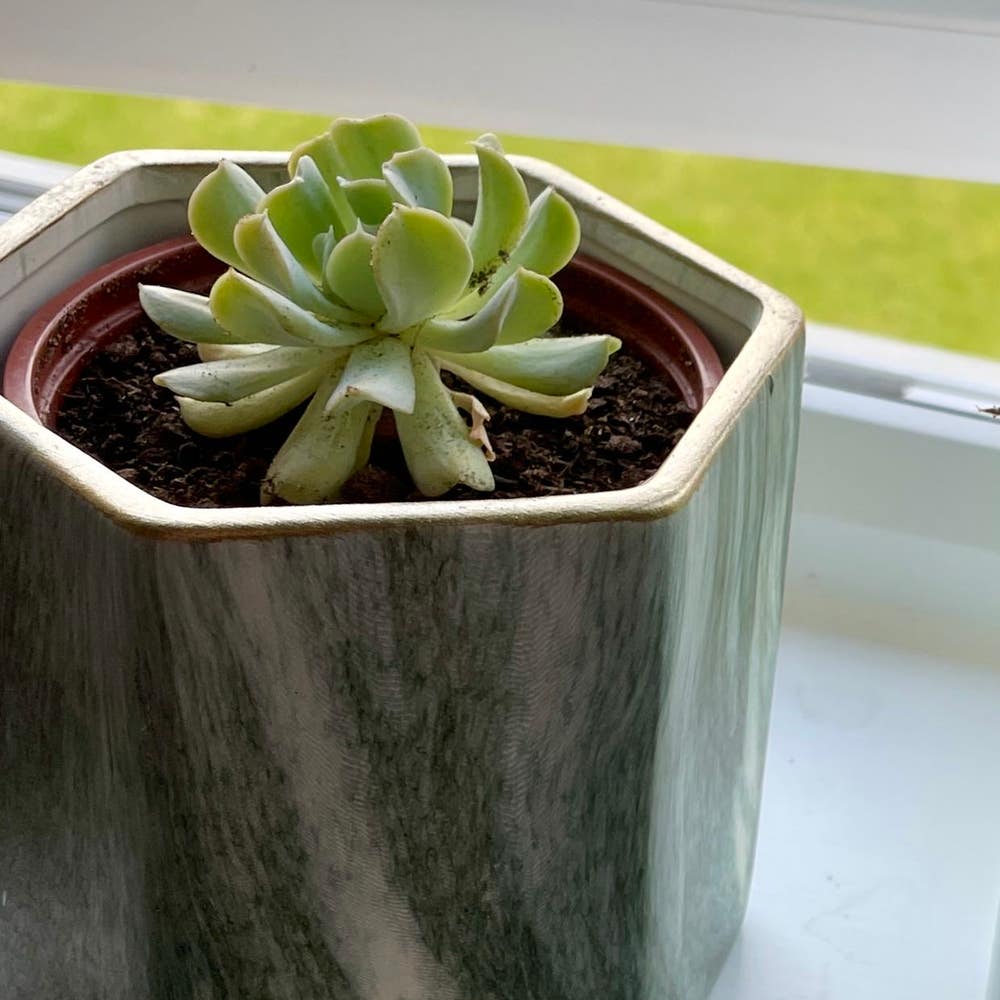
Echeveria runyonii 'Topsy Turvy'
By the Greg Editorial Team
Jun 18, 2024•4 min read
This article was created with the help of AI so we can cover more plants for you. May contain errors. See one? Report it here.
- Mushy leaves signal distress; check for overwatering and root health.
- Adjust watering routine based on seasonal needs and soil moisture.
- Prune or start anew if damage is severe, ensuring proper soil and pot drainage.
Spotting Trouble: Early Signs Your 'Topsy Turvy' is Unhappy
🚨 Telltale Symptoms of Distress
Mushy leaves and discoloration are the plant's version of a distress flare. If your Echeveria 'Topsy Turvy' starts to feel like a squishy peach rather than a firm succulent, it's time to pay attention.
Yellowing leaves or a general look of the plant being down in the dumps could be a cry for help. Overwatering is often the culprit, so before you pour another drop, consider this a sign to pause and reassess.
🔍 Checking the Soil and Roots
To get to the root of the problem, literally, check the soil. If it's damp to the touch and clings to your fingers like unwanted party guests, it's too wet.
Healthy roots should be firm and white, not resembling overcooked spaghetti. If the roots are mushy and discolored, it's a clear signal of distress, possibly root rot. It's crucial to act before your plant writes its will.

Immediate Actions to Rescue Your 'Topsy Turvy'
🚱 Halting Water Intake
Stop watering immediately. Your 'Topsy Turvy' is not a fish; it doesn't need to swim. Check the soil: if it's wetter than a rainforest floor, it's time to let it dry out. Stick your finger in the soil; if it feels like a damp sponge, hold off on the H2O.
🛡️ Isolating the Plant
Isolate your succulent. Think of it as sending your plant to a spa retreat where it can dry off and recover in peace. This step is crucial to prevent any potential disease from turning into a full-blown plant pandemic. Keep an eye on your plant's neighbors too; they might be harboring the same issues.

Long-Term Care Adjustments
💧 Fine-Tuning Your Watering Routine
Watering your 'Topsy Turvy' isn't rocket science, but it does require attention to detail. Think of it as a ritual, akin to your morning coffee routine—consistent and tailored to the plant's needs. Seasons change, and so should your watering habits: less in the cool winter months, more during the summer heat. If you're the type to forget, set a reminder. Your plant will thank you with robust health.
🌱 Soil and Pot Considerations
Choosing the right soil mix is like picking a good wine—it can make or break the experience. A blend with proper drainage, like a cactus mix or a concoction of sand and perlite, will ensure your 'Topsy Turvy' doesn't sit in moisture for too long. As for pots, think of size as a crucial factor. Smaller pots dry out faster, which is ideal if you tend to overwater. Larger pots retain moisture longer, which can be beneficial if you're more of an underwatering type. Remember, good drainage is non-negotiable, so always opt for pots with drainage holes.

When to Say Goodbye: Dealing with Severely Damaged Plants
🌱 Pruning and Propagation
When your Echeveria 'Topsy Turvy' has succumbed to the mush, pruning becomes an act of mercy. Sterilize your shears with rubbing alcohol—no plant deserves to go out with a disease. Snip off the soggy parts until you hit the firm, healthy tissue. If you spot a leaf that still has some pluck, it's time to propagate. Let the leaf callous over for a few days, then gently nestle it atop a succulent-friendly soil mix. Patience is key; roots are shy and take time to emerge.
🪦 The Last Resort: Starting Over
Sometimes, you've got to be the judge, jury, and executioner of your own plant collection. If the rot runs deep and the plant's core is compromised, it's time to let go. Salvage what you can for propagation, but don't cling to the past. Dispose of the plant responsibly—composting if possible. Then, clean your pot, fill it with a fresh, well-draining mix, and plant a new, healthy 'Topsy Turvy'. Consider it a fresh start, a plant reboot. Remember, every end is a new beginning in the garden.
⚠️ Safety First
This content is for general information and may contain errors, omissions, or outdated details. It is not medical, veterinary advice, or an endorsement of therapeutic claims.
Always consult a qualified healthcare professional before using any plant as food, medicine, or supplement.
Never eat any plant (or feed one to pets) without confirming its identity with at least two trusted sources.
If you suspect poisoning, call Poison Control (800) 222-1222, the Pet Poison Helpline (800) 213-6680, or your local emergency service immediately.
Spotted an error? Please report it here.
Avoid the mushy-leaf mishap in your Echeveria 'Topsy Turvy' 💧 by letting Greg guide your watering routine for the perfect plant-pampering balance.